
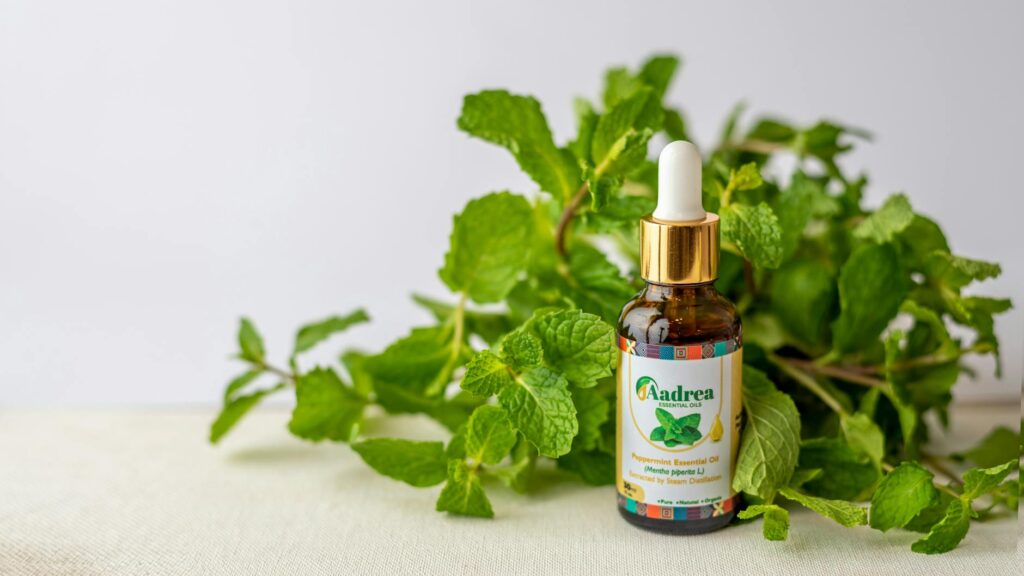
Health Benefits of Peppermint Extract
Introduction
Peppermint extract, derived from the peppermint plant (Mentha × piperita), is a versatile substance celebrated for its aromatic and therapeutic properties. This extract has been utilized for centuries in various cultures, not only for culinary purposes but also for its potential health benefits. As the popularity of essential oils and aromatherapy has surged, peppermint extract has found a prominent place in holistic wellness practices. This article delves into the nature of peppermint extract, its key benefits, common applications, and safety considerations.
What Is Peppermint Extract?
Peppermint extract is a concentrated form of the essential oils and active compounds found in the peppermint plant. The extraction process typically involves the use of steam distillation, which captures the aromatic compounds from the leaves and flowers of the plant. The main constituents of peppermint extract include menthol, menthone, and menthyl acetate, which contribute to its characteristic scent and flavor.
Peppermint is a hybrid mint, a cross between water mint (Mentha aquatica) and spearmint (Mentha spicata). It is native to Europe but is now grown worldwide. The extract is widely used in food, beverages, personal care products, and medicinal applications, making it a staple in both culinary and wellness practices.
Key Benefits and Properties
1. Digestive Support
Peppermint extract is often associated with digestive health. The menthol in peppermint is believed to have muscle-relaxing properties that may help alleviate digestive discomfort. It is commonly used to relieve symptoms such as bloating, gas, and indigestion.
2. Respiratory Relief
The cooling effect of peppermint extract can provide relief for respiratory issues. When inhaled, menthol may help clear nasal passages and ease breathing. This makes peppermint a popular choice in products aimed at relieving cold and allergy symptoms.
3. Pain Relief
Menthol has analgesic properties that may help soothe minor aches and pains. Peppermint extract is frequently used in topical applications to provide a cooling sensation, which can distract from discomfort and promote relaxation.
4. Mood Enhancement
The invigorating aroma of peppermint is often used to uplift mood and enhance mental clarity. Aromatherapy practitioners frequently use peppermint extract to combat mental fatigue and improve focus.
5. Antimicrobial Properties
Research has suggested that peppermint extract may possess antimicrobial properties, making it a potential candidate for use in natural cleaning products and personal care items. Its ability to inhibit the growth of certain bacteria and fungi adds to its appeal in various applications.
Common Uses
Peppermint extract can be found in a myriad of products and applications, reflecting its versatility. Some common uses include:
1. Culinary Applications
In the culinary world, peppermint extract is widely used to flavor desserts, beverages, and savory dishes. It can be found in candies, teas, and baked goods, adding a refreshing touch to various recipes.
2. Personal Care Products
The invigorating scent of peppermint makes it a popular ingredient in personal care items such as toothpaste, mouthwash, shampoos, and lotions. Its antimicrobial properties further enhance its suitability for these applications.
3. Natural Remedies
Many individuals incorporate peppermint extract into their natural remedy practices, using it in DIY blends for relaxation, stress relief, or digestive support. It is often included in herbal teas and tinctures aimed at promoting wellness.
4. Household Products
Due to its antimicrobial and refreshing properties, peppermint extract is frequently found in natural cleaning products and air fresheners. It can help create a pleasant atmosphere while also contributing to cleanliness.
Aromatherapy Applications
Aromatherapy is a holistic practice that utilizes essential oils for emotional and physical well-being. Peppermint extract is a popular choice in aromatherapy due to its invigorating scent and potential therapeutic benefits. Here are some common applications:
1. Diffusion
Adding a few drops of peppermint extract to a diffuser can help uplift the mood and enhance mental clarity. The refreshing aroma can energize a space, making it ideal for work environments or areas where focus is needed.
2. Inhalation
Inhaling peppermint extract directly from the bottle or through steam inhalation can provide immediate relief for respiratory discomfort. This method can be particularly beneficial during cold and allergy seasons.
3. Massage
When diluted with a carrier oil, peppermint extract can be used in massage therapy. Its cooling sensation can help soothe sore muscles and promote relaxation.
4. Bathing
Adding peppermint extract to bathwater can create an invigorating and refreshing experience. The aroma can enhance relaxation and provide a sense of rejuvenation.
Safety Considerations
While peppermint extract is generally considered safe for most people, certain precautions should be taken:
1. Dilution: Peppermint extract is potent and should be diluted when applied topically. Using a carrier oil can help prevent skin irritation.
2. Allergies: Individuals with allergies to mint or related plants should exercise caution and consult a healthcare provider before using peppermint extract.
3. Pregnancy and Nursing: Pregnant or nursing individuals should consult a healthcare professional before using peppermint extract, as its effects during these periods are not well-studied.
4. Children: Use peppermint extract with caution around young children. It is advisable to consult a pediatrician before using it for children under the age of two.
5. Underlying Health Conditions: Individuals with certain health conditions, such as gastroesophageal reflux disease (GERD) or heartburn, should consult a healthcare provider before using peppermint extract, as it may exacerbate symptoms.
Storage and Shelf Life
To maintain the quality and potency of peppermint extract, proper storage is essential. Here are some guidelines:
1. Cool, Dark Place: Store peppermint extract in a cool, dark place away from direct sunlight. Exposure to heat and light can degrade the quality over time.
2. Tightly Sealed Containers: Keep the extract in tightly sealed containers to prevent oxidation and contamination.
3. Shelf Life: When stored properly, peppermint extract can last for several years. However, it’s advisable to check for any changes in smell, color, or consistency before use.
Frequently Asked Questions
1. Can peppermint extract be ingested?
Yes, peppermint extract is commonly used as a flavoring agent in food and beverages. However, it is important to use it in moderation and choose high-quality extracts designed for culinary use.
2. How do I use peppermint extract for headaches?
While many people find relief from headaches using peppermint extract, it is often applied topically when diluted in a carrier oil. The cooling sensation may help alleviate tension.
3. Is peppermint extract safe for pets?
Peppermint extract may not be safe for all pets, especially cats and dogs, as it can cause gastrointestinal upset. It’s best to consult a veterinarian before using peppermint extract in a household with pets.
4. How can I make my own peppermint extract?
Making your own peppermint extract involves infusing fresh or dried peppermint leaves in a high-proof alcohol, such as vodka, for several weeks. This process extracts the flavors and essential oils, resulting in a homemade extract.
5. Can peppermint extract help with nausea?
Some individuals find that peppermint extract may help ease nausea, particularly in cases related to motion sickness or digestive discomfort. However, it is advisable to consult a healthcare professional for persistent symptoms.
Conclusion
Peppermint extract is a multifaceted substance with a rich history and a broad range of applications. From culinary delights to therapeutic benefits, its invigorating properties have made it a staple in various practices. Whether used in cooking, personal care, or aromatherapy, peppermint extract continues to be valued for its unique characteristics. By understanding its benefits and safety considerations, individuals can incorporate this remarkable extract into their lives with confidence and enjoyment.