
Health Benefits of Pine Needle Oil
Introduction
Pine needle oil, derived from the needles of various pine tree species, has been utilized for centuries in traditional medicine and holistic practices. With a rich history steeped in cultural significance, this essential oil is not only appreciated for its invigorating aroma but also for its potential health benefits. In this article, we will explore what pine needle oil is, its key benefits, common uses, and safety considerations, providing a comprehensive overview for those interested in incorporating this botanical essence into their wellness routine.
What Is Pine Needle Oil?
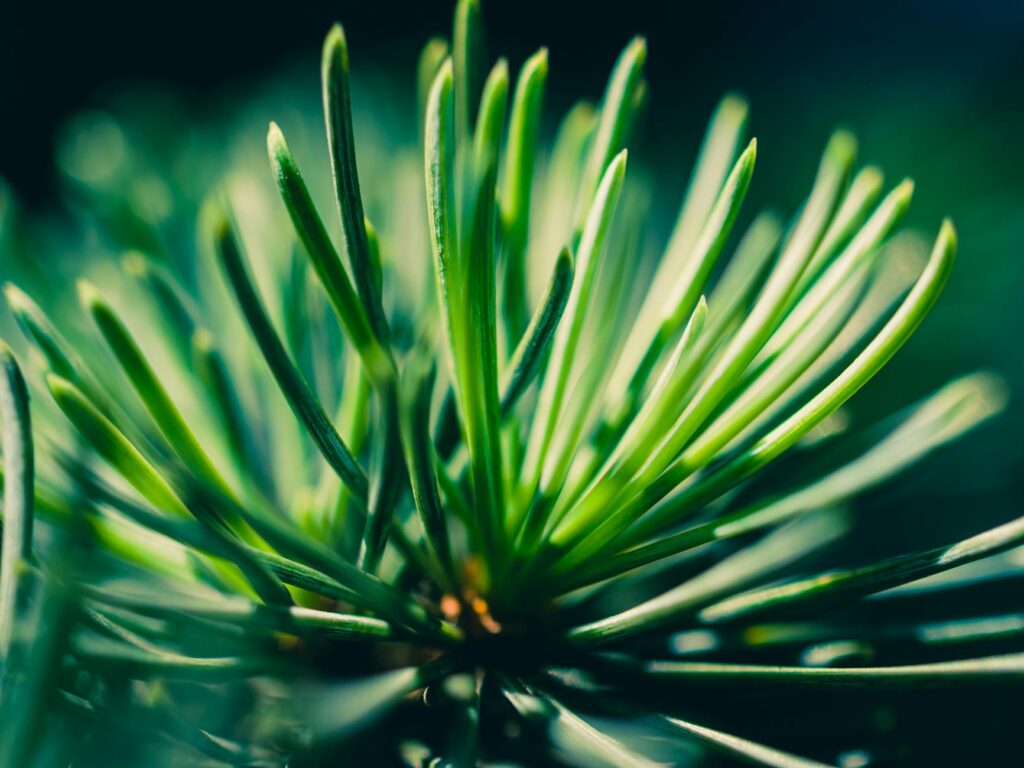
Pine needle oil is an essential oil extracted from the needles of pine trees. The extraction process typically involves steam distillation, which captures the oil’s volatile compounds while preserving its natural properties. There are several species of pine that yield essential oils, including Scots pine (Pinus sylvestris), Eastern white pine (Pinus strobus), and ponderosa pine (Pinus ponderosa). Each species has its unique chemical composition, contributing to the oil’s distinct aroma and therapeutic qualities.
The oil is characterized by its fresh, woody scent, reminiscent of a forest after rainfall. Its vibrant fragrance is often associated with feelings of clarity and rejuvenation, making it a popular choice in both aromatherapy and personal care products.
Key Benefits and Properties
Pine needle oil is recognized for its diverse range of beneficial properties, which can be categorized into several key areas:
1. Antimicrobial Properties
Pine needle oil possesses natural antimicrobial characteristics, making it a valuable addition to natural cleaning products and personal care formulations. The oil has been shown to inhibit the growth of certain bacteria and fungi, contributing to its use in disinfectants and as a preservative in various applications.
2. Respiratory Support
Traditionally, pine needle oil has been used to support respiratory health. The oil is believed to help clear congestion, making it a popular choice in steam inhalation practices. Its fresh aroma may promote easier breathing and provide a sense of relief during cold and flu seasons.
3. Anti-inflammatory Effects
Some studies suggest that pine needle oil may exhibit anti-inflammatory properties. This characteristic can be beneficial for soothing muscle and joint discomfort, contributing to its use in massage oils and topical applications.
4. Antioxidant Activity
Pine needle oil contains various antioxidants, which are compounds that help combat oxidative stress in the body. Antioxidants play a crucial role in neutralizing free radicals, potentially reducing the risk of chronic diseases and promoting overall health.
5. Mood Enhancement
The invigorating scent of pine needle oil is often associated with mood enhancement. It is commonly used in aromatherapy to promote feelings of relaxation and mental clarity. The oil’s refreshing aroma may help reduce feelings of stress and anxiety, contributing to emotional well-being.
Common Uses
Pine needle oil can be utilized in various ways, making it a versatile addition to personal care and wellness routines. Here are some common applications:
1. Aromatherapy
One of the most popular uses of pine needle oil is in aromatherapy. It can be diffused in the air using an essential oil diffuser or inhaled directly from the bottle. The scent can help create a calming environment, conducive to meditation or relaxation.
2. Massage
Due to its anti-inflammatory properties, pine needle oil is often included in massage blends. When diluted with a carrier oil, it can be used to soothe sore muscles and joints, providing relief during a massage session.
3. Skincare
Pine needle oil is sometimes incorporated into skincare products for its antimicrobial and antioxidant effects. However, it should always be diluted before applying to the skin to avoid irritation.
4. Household Cleaning
Thanks to its antimicrobial properties, pine needle oil can be an effective ingredient in natural cleaning products. It can be added to homemade cleaners to impart a fresh scent while providing disinfecting benefits.
5. Bath Products
Adding a few drops of pine needle oil to bathwater can create a refreshing and invigorating experience. It may also aid in relaxation and enhance the overall bath experience.
Aromatherapy Applications
In the realm of aromatherapy, pine needle oil can be utilized in various ways to harness its therapeutic benefits. Here are some popular methods of application:
1. Diffusion
Using a diffuser is one of the most effective ways to disperse pine needle oil into the air. A few drops can be added to a water-filled diffuser to release the oil’s aroma, filling the space with its fresh scent. This method is ideal for enhancing mood and promoting a calming environment.
2. Inhalation
Direct inhalation of pine needle oil can also be beneficial. Placing a drop on a tissue or in the palms and inhaling deeply can provide quick relief, especially for respiratory concerns.
3. Massage Blends
When blended with carrier oils, pine needle oil can be used in massage therapy. This application not only provides the benefits of the oil but also enhances the overall massage experience.
4. Bathing
Adding pine needle oil to bathwater can create a spa-like experience at home. Its aroma can help to relax the mind and body while providing the skin with potential benefits.
Safety Considerations
While pine needle oil is generally regarded as safe for use, there are some important safety considerations to keep in mind:
1. Dilution
Essential oils are highly concentrated and should always be diluted before topical application. A general guideline is to mix a few drops of pine needle oil with a carrier oil, such as jojoba or coconut oil, before applying it to the skin.
2. Allergies and Sensitivities
Individuals with allergies or sensitivities to pine or related species should exercise caution when using pine needle oil. A patch test on a small area of skin is recommended before widespread use.
3. Pregnancy and Nursing
Pregnant or nursing individuals should consult with a healthcare professional before using pine needle oil, as there is limited research on its safety during these periods.
4. Storage
Pine needle oil should be stored in a cool, dark place, away from direct sunlight to maintain its potency and effectiveness.
Storage and Shelf Life
Proper storage of pine needle oil is essential for maintaining its quality. The oil should be kept in a dark glass bottle, away from heat and light, to prevent degradation. When stored correctly, pine needle oil typically has a shelf life of about two to three years. However, always check for any changes in smell, color, or consistency before use, as these can indicate that the oil has gone rancid or degraded.
Frequently Asked Questions
1. Can pine needle oil be ingested?
Pine needle oil is primarily used for external applications and aromatherapy. Ingesting essential oils can be dangerous and should only be done under the guidance of a qualified healthcare professional.
2. Is pine needle oil safe for children?
Pine needle oil should be used with caution around children. It is advisable to consult a healthcare provider for recommendations on the safe use of essential oils for younger audiences.
3. Can pine needle oil help with allergies?
While some people use pine needle oil to help relieve respiratory issues, it is not a substitute for medical treatment. Individuals suffering from allergies should consult with a healthcare professional for appropriate therapies.
4. What are the main components of pine needle oil?
Pine needle oil contains a variety of compounds, including alpha-pinene, beta-pinene, and limonene. These components contribute to its distinctive aroma and therapeutic properties.
5. Where can I buy high-quality pine needle oil?
Pine needle oil can be found in health food stores, online retailers, or specialty shops focusing on essential oils. When purchasing, look for oils that are 100% pure and organic, with clear labeling regarding their source and extraction method.
Conclusion
Pine needle oil is a multifaceted essential oil with a variety of potential health benefits and applications. From its antimicrobial properties to its uplifting aroma, it serves as a valuable tool in the realms of aromatherapy, personal care, and natural cleaning. By understanding its uses, benefits, and safety considerations, individuals can make informed decisions about incorporating pine needle oil into their wellness practices. As with all essential oils, it is essential to approach their use with caution and respect, ensuring a safe and enriching experience.