
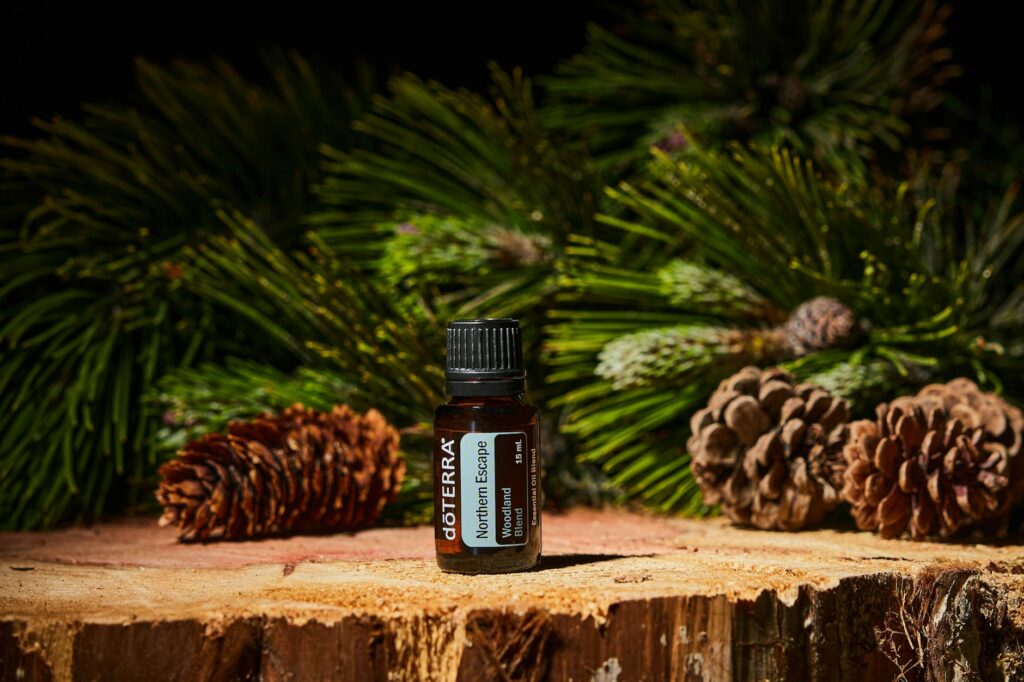
Health Benefits of Relaxation Blends
Introduction
In the fast-paced world we inhabit today, the quest for relaxation and stress relief has become increasingly essential. The use of relaxation blends—combinations of essential oils designed to promote tranquility and calm—is gaining popularity in aromatherapy. These blends not only offer a pleasant olfactory experience but also carry various benefits that contribute to overall well-being. This article delves into what relaxation blends are, their key benefits, common uses, and more, providing a comprehensive overview of this soothing aspect of aromatherapy.
What Is Relaxation Blends?
Relaxation blends are specific combinations of essential oils formulated to induce a state of calmness and serenity. These blends typically include oils known for their soothing properties, such as lavender, chamomile, and bergamot. Each oil offers unique characteristics that, when combined, enhance the overall effectiveness of the blend.
The science behind these blends is rooted in the principles of aromatherapy, which posits that certain scents can influence emotional and physical states. By inhaling or applying these essential oils, individuals may experience a sense of relaxation and reduced anxiety.
Key Benefits and Properties
Stress Reduction
One of the primary benefits of relaxation blends is their ability to reduce stress. Certain essential oils, like lavender and ylang-ylang, are known to lower cortisol levels, the hormone associated with stress. By incorporating these oils in relaxation blends, users may find themselves better equipped to handle life’s challenges.
Enhanced Sleep Quality
Many relaxation blends are formulated to promote better sleep. Oils such as chamomile and sandalwood are renowned for their sedative properties, which can help ease the mind and body into a restful state. Regular use of these blends before bedtime may contribute to improved sleep quality and duration.
Mood Elevation
The uplifting properties of certain essential oils can positively affect mood. Citrus oils like bergamot and sweet orange are often included in relaxation blends for their refreshing and energizing qualities, which can help combat feelings of anxiety and depression.
Muscle Tension Relief
The soothing properties of relaxation blends can also extend to physical tension. Oils such as marjoram and peppermint, when combined in a blend, may help alleviate muscle tightness and promote relaxation in the body, contributing to an overall sense of well-being.
Emotional Balance
Aromatherapy is often used as a tool for emotional regulation. Essential oils like frankincense and geranium are thought to promote emotional stability and balance. By incorporating these oils into a relaxation blend, users may find support in managing their emotional states.
Common Uses
Relaxation blends can be utilized in various ways, making them versatile tools for stress relief. Some common applications include:
Diffusion
Using a diffuser is one of the most popular methods for enjoying relaxation blends. By dispersing the essential oils into the air, users can create a calming atmosphere in their home or workspace. This method is particularly effective in promoting relaxation during meditation or yoga practices.
Topical Application
Many relaxation blends can be applied directly to the skin when diluted with a carrier oil. This method allows for targeted relief, whether used on pulse points, the neck, or areas of muscle tension. A patch test is recommended to ensure skin compatibility.
Bath Soaks
Adding relaxation blends to bathwater can create a soothing and aromatic experience. The warm water combined with essential oils can help to relax both the body and mind, making it an excellent choice for unwinding after a long day.
Inhalation
For on-the-go relaxation, inhaling the scent of a relaxation blend directly from the bottle or a cotton ball can provide immediate calming effects. This method is practical for quick stress relief during busy moments.
Aromatherapy Applications
Incorporating relaxation blends into various aromatherapy practices can enhance their effectiveness. Here are some methods of application:
Massage Therapy
When used in massage therapy, relaxation blends can enhance the experience by promoting muscle relaxation and emotional release. The oils can be diluted in a carrier oil and applied during a massage, helping to alleviate physical and emotional tension.
Meditation and Mindfulness
Using relaxation blends during meditation can deepen the experience, fostering a more profound sense of calm and focus. A few drops can be applied to a diffuser or simply inhaled before beginning meditation.
Yoga Practices
Many individuals find that incorporating relaxation blends into their yoga routine can enhance the meditative aspects of their practice. Spraying the blend in the room or applying it to the body can set an intention for relaxation and mindfulness.
Safety Considerations
While relaxation blends are generally safe for most individuals, there are important safety considerations to keep in mind:
Dilution
Essential oils are highly concentrated substances and should typically be diluted with a carrier oil before topical application. This dilution reduces the risk of skin irritation and enhances safety.
Sensitivity
Individuals with sensitive skin or specific health conditions should conduct a patch test before using a new blend. Discontinue use if any adverse reactions occur.
Pregnancy and Nursing
Pregnant or nursing individuals should consult with a healthcare provider before using essential oils, as some oils may not be safe during these times.
Children and Pets
Certain essential oils are not suitable for children or pets. It is crucial to research and ensure that the oils used in relaxation blends are appropriate for the intended audience.
Storage and Shelf Life
Proper storage of relaxation blends is essential to maintain their potency and effectiveness. Here are some guidelines:
Storage Conditions
Essential oils should be stored in a cool, dark place away from direct sunlight. Exposure to light and heat can degrade the oils, reducing their efficacy.
Container Type
Storing essential oils in dark glass bottles helps protect them from light and oxidation. Avoid plastic containers, as some oils can degrade plastic over time.
Shelf Life
The shelf life of essential oils can vary depending on the type of oil and its quality. Generally, most essential oils can last from one to three years when stored correctly. It is advisable to label bottles with the date of purchase for easy tracking.
Frequently Asked Questions
Can I create my own relaxation blend?
Yes, creating your own relaxation blend is a great way to customize the experience to your preferences. Start with a base oil and add a few drops of your chosen essential oils, keeping in mind the recommended dilution ratio.
Are relaxation blends safe for everyone?
While many individuals can safely use relaxation blends, it is essential to consider individual sensitivities and health conditions. Always conduct a patch test and consult with a healthcare provider if unsure.
How often can I use relaxation blends?
Relaxation blends can be used daily, but it is essential to listen to your body. If you experience any adverse effects, reduce usage or discontinue use altogether.
Can relaxation blends replace other forms of stress relief?
Relaxation blends can be a valuable addition to a comprehensive stress relief strategy, but they should not be seen as a replacement for professional therapies or medical treatments when necessary.
What are some popular essential oils used in relaxation blends?
Common essential oils used in relaxation blends include lavender, chamomile, bergamot, ylang-ylang, frankincense, and sandalwood, among others. Each oil brings its own unique properties to the blend.
Conclusion
The health benefits of relaxation blends extend beyond mere fragrance; they encompass a holistic approach to wellness. By integrating these blends into daily routines, individuals can cultivate a sense of calm and balance in an increasingly hectic world. Whether through diffusion, topical application, or bath soaks, relaxation blends offer versatile solutions for stress relief, emotional balance, and enhanced well-being. As with any wellness practice, understanding the properties, uses, and safety considerations of these blends will lead to a more enriching experience.