
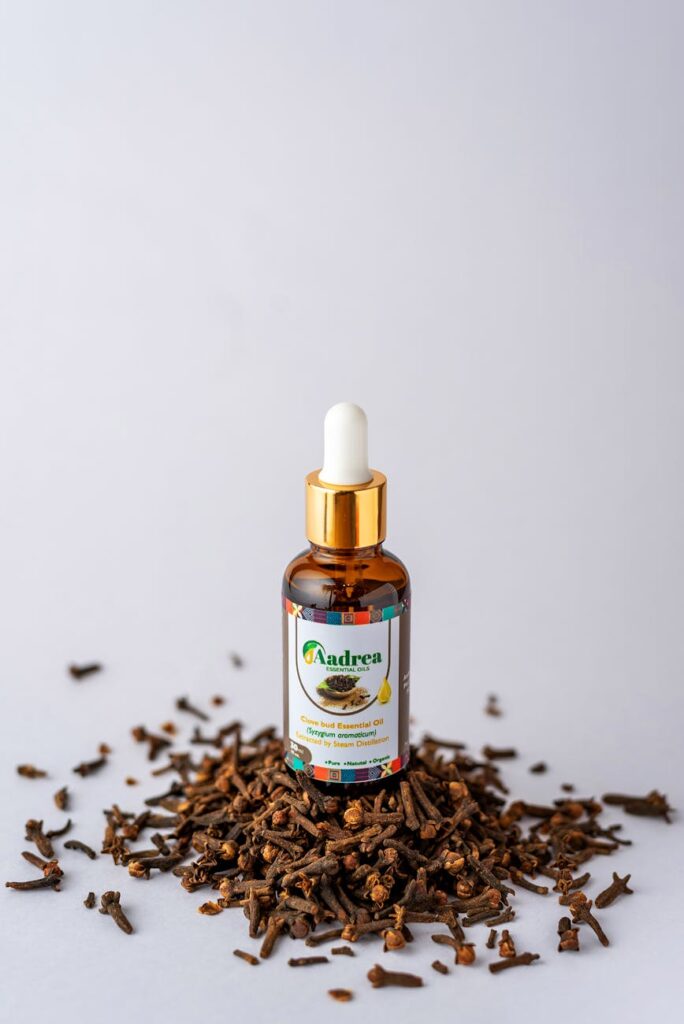
Health Benefits of Resin Extracts
Introduction
Resin extracts, derived from the natural secretions of various trees and plants, have been utilized for centuries across different cultures for their aromatic and therapeutic properties. Known for their rich, complex scents and potential health benefits, these extracts have carved a niche in both traditional and modern practices. This article aims to explore the nature of resin extracts, their benefits, common uses, applications in aromatherapy, safety considerations, and storage recommendations.
What Are Resin Extracts?
Resin is a viscous substance produced by plants, particularly trees, as a response to injury or stress. It serves as a protective barrier against pathogens and pests. Unlike sap, which primarily consists of water and nutrients, resin is rich in aromatic compounds and essential oils. Common sources of resin include:
- Frankincense (Boswellia spp.): Extracted from the Boswellia tree, this resin is known for its distinctive, warm fragrance.
- Myrrh (Commiphora myrrha): Another ancient resin, myrrh has been valued for its aromatic and antimicrobial properties.
- Copal: Often used in traditional rituals, copal is a softer resin with a fresh, piney scent.
- Pine Resin: Known for its antiseptic qualities, pine resin is extracted from various pine trees.
Resin extracts can be obtained through methods such as steam distillation, solvent extraction, or cold pressing, yielding concentrated oils with distinct aromas and properties.
Key Benefits and Properties
Resin extracts are celebrated for their diverse range of beneficial properties, many of which are rooted in their complex chemical compositions. Some of the notable benefits include:
1. Antimicrobial Properties
Many resins exhibit antimicrobial activity, making them valuable in traditional medicine. For instance, myrrh has been historically used for its ability to inhibit bacterial growth, while frankincense has been studied for its potential antifungal effects.
2. Anti-inflammatory Effects
Certain resin extracts contain compounds that may help reduce inflammation. Frankincense, for example, has been associated with soothing inflammatory conditions, making it a popular choice in aromatherapy.
3. Mood Enhancement
The aromatic qualities of resin extracts can have a profound impact on mood. Frankincense and myrrh, in particular, are known for their calming and uplifting properties, often used in meditation and spiritual practices.
4. Respiratory Support
Resin extracts such as pine and frankincense are frequently utilized to support respiratory health. Their inhalation may help clear airways and promote easier breathing, often employed in the context of steam inhalation or diffusing.
5. Skin Health
Some resins possess skin-healing properties and are used in topical formulations. Myrrh, for instance, is known for its ability to promote wound healing and alleviate skin irritations.
Common Uses
Resin extracts have found a multitude of applications across various domains, including:
1. Traditional Medicine
Historically, resin extracts have been integral to traditional healing practices. They are often incorporated into herbal remedies, tinctures, and salves.
2. Incense and Rituals
Many cultures have used resin extracts as incense during rituals and ceremonies. The aromatic qualities are believed to purify spaces and enhance spiritual experiences.
3. Perfumes and Fragrances
Due to their rich scents, resin extracts are commonly used in the perfume industry. Their complex aromas add depth to fragrance blends, making them popular in high-quality perfumes.
4. Natural Cleaning Products
The antimicrobial properties of some resins make them valuable components in natural cleaning formulations. Their pleasant scents also contribute to a more inviting home environment.
5. Aromatherapy
Resin extracts are frequently used in aromatherapy, where their therapeutic properties can be harnessed through various methods of application.
Aromatherapy Applications
In aromatherapy, resin extracts are celebrated for their ability to promote emotional and physical well-being. Here are a few popular methods of application:
1. Diffusion
Using a diffuser, resin extracts can be dispersed into the air, allowing their aromatic compounds to create a calming atmosphere. This method is particularly effective with frankincense and myrrh.
2. Inhalation
Direct inhalation of resin extracts through steam inhalation or by placing a few drops on a handkerchief can provide immediate benefits, particularly for respiratory support.
3. Topical Application
When diluted with a carrier oil, resin extracts can be applied directly to the skin. This method is often used for skin care or localized relief, but care should be taken to avoid sensitive areas.
4. Bathing
Adding resin extracts to bath water can create a soothing and aromatic experience. This practice is often combined with Epsom salts or other bath additives for enhanced relaxation.
5. Meditation and Yoga
Resin extracts are commonly used in meditation practices to enhance focus and clarity. The calming scents can help create a serene environment conducive to mindfulness.
Safety Considerations
While resin extracts offer numerous benefits, it is essential to approach their use with caution. Here are some safety considerations:
1. Allergies and Sensitivities
Individuals with allergies or sensitivities to specific plants should exercise caution when using resin extracts. A patch test is recommended before topical application.
2. Dilution
Resin extracts should be diluted with a carrier oil before applying to the skin to minimize the risk of irritation.
3. Pregnancy and Nursing
Pregnant or nursing individuals should consult with a qualified healthcare provider before using resin extracts, as some may not be safe during these periods.
4. Consultation with Professionals
It is advisable to consult with an aromatherapist or healthcare professional for personalized guidance, particularly for individuals with pre-existing health conditions.
Storage and Shelf Life
Proper storage of resin extracts is crucial to maintaining their quality and efficacy. Here are some guidelines for optimal storage:
1. Keep Away from Light
Resin extracts should be stored in dark glass bottles to protect them from sunlight, which can degrade their quality over time.
2. Cool, Dry Place
Store resin extracts in a cool, dry environment, away from heat sources. Excessive heat can alter their chemical composition and reduce their effectiveness.
3. Shelf Life
Most resin extracts have a shelf life of 1 to 3 years when stored correctly. However, it is advisable to check for any signs of spoilage, such as changes in color, odor, or consistency.
Frequently Asked Questions
1. Can resin extracts be ingested?
While some resin extracts have been used in traditional medicine, ingestion should only be done under the guidance of a qualified healthcare professional.
2. Are there any side effects of using resin extracts?
Some individuals may experience allergic reactions or skin irritation. It is essential to perform a patch test and consult with a professional if unsure.
3. How do I choose a quality resin extract?
Look for reputable suppliers that provide information on sourcing, extraction methods, and purity. Certified organic options may also be a good choice.
4. Can resin extracts be used in candles?
Yes, resin extracts can be added to candles for their aromatic properties. However, ensure they are suitable for candle making and used in appropriate quantities.
5. Are resin extracts safe for children?
Caution should be exercised when using resin extracts around children. Consult a healthcare professional for appropriate guidance.
Conclusion
Resin extracts offer a rich tapestry of benefits, from their aromatic properties to potential therapeutic effects. Their historical significance and contemporary applications make them a fascinating subject for exploration in the fields of aromatherapy and natural wellness. As with any natural product, understanding their properties, uses, and safety considerations is essential for maximizing their benefits while minimizing risks. Whether used in traditional practices or modern aromatherapy, resin extracts continue to captivate and inspire those seeking natural pathways to well-being.