
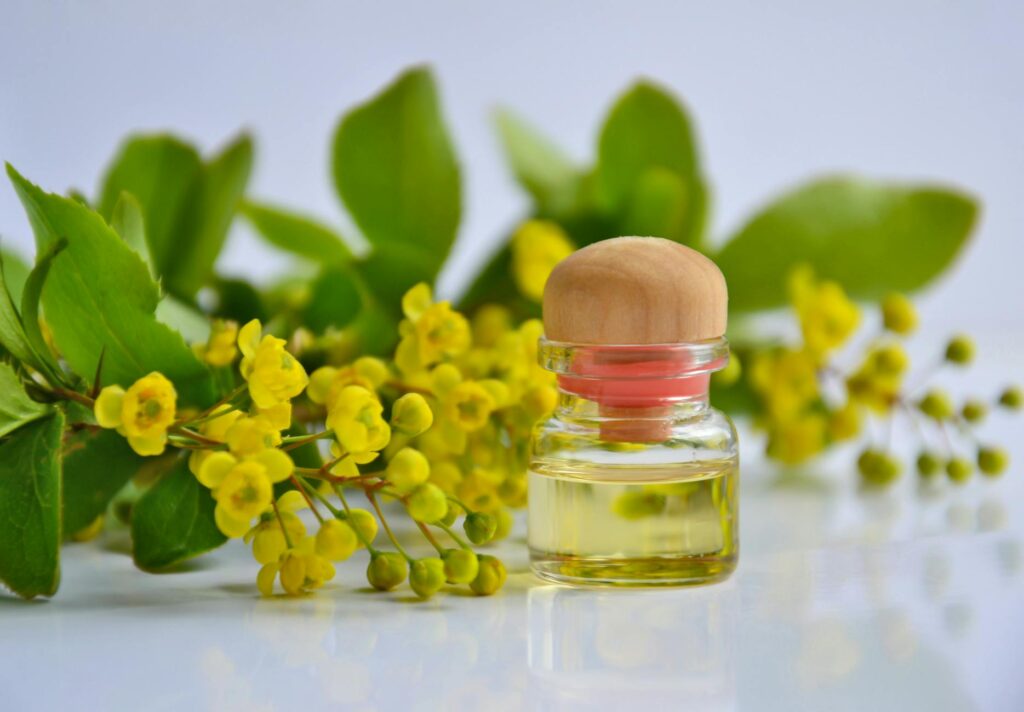
Health Benefits of Rose Oil Safety
Introduction
Rose oil, extracted from the petals of the Rosa damascena or the Rosa centifolia, is one of the most revered essential oils in the world of aromatherapy and holistic wellness. Known for its sweet, floral aroma, this oil has been used for centuries in various cultures for its beauty and therapeutic properties. However, as with any essential oil, understanding the safety precautions and benefits associated with rose oil is crucial for maximizing its efficacy and minimizing potential risks. This article delves into the safety of rose oil while exploring its benefits, uses, and storage considerations.
What Is Rose Oil Safety?
Rose oil safety refers to the practices and guidelines that ensure the safe use of rose oil in various applications, including aromatherapy, skin care, and emotional well-being. Given the potency of essential oils, including rose oil, understanding how to use them safely is essential. This includes considerations around dilution, application methods, and individual sensitivities.
Key Benefits and Properties
Rose oil is celebrated for its numerous benefits, which stem from its unique chemical composition. It contains a variety of constituents, such as:
- Citronellol: Known for its pleasant scent and potential calming effects.
- Geraniol: Often associated with antibacterial properties and a soothing aroma.
- Phenyl Ethyl Alcohol: Recognized for its uplifting properties and its role in enhancing mood.
Emotional Benefits
Rose oil is often considered a powerful tool for emotional well-being. Its uplifting scent can help alleviate feelings of stress, anxiety, and depression. Many people find that diffusing rose oil in their living spaces creates a calming atmosphere that promotes relaxation.
Skin Benefits
Rose oil is also prized in skincare for its potential to hydrate and rejuvenate the skin. Its anti-inflammatory properties may help reduce redness and irritation, making it a popular choice for sensitive skin formulations.
Antimicrobial Properties
Research suggests that rose oil may possess antimicrobial properties, making it a valuable addition to natural disinfectants and skincare products. Its potential to inhibit the growth of certain bacteria and fungi supports its use in personal care applications.
Common Uses
The versatility of rose oil allows it to be incorporated into various practices and products:
1. Aromatherapy: Often used in diffusers or inhalers to create a peaceful environment.
2. Skincare: Frequently found in creams, lotions, and serums aimed at hydrating and revitalizing the skin.
3. Massage: Commonly blended with carrier oils for use in massage therapy, providing both physical and emotional benefits.
4. Bath Products: Added to bath oils and salts for a luxurious, aromatic bathing experience.
Aromatherapy Applications
In aromatherapy, rose oil is utilized for its ability to promote emotional balance and relaxation. The following methods highlight how rose oil can be effectively incorporated into aromatherapy practices:
Diffusion
Using an essential oil diffuser to disperse rose oil into the air can create a calming environment. This method allows the soothing aroma to fill a room, enhancing mood and reducing stress levels.
Inhalation
Direct inhalation of rose oil can be beneficial for immediate stress relief. Placing a drop of rose oil on a tissue or cotton ball and inhaling deeply can provide quick emotional support.
Massage
When diluted with a carrier oil, rose oil can be used for therapeutic massage. The combination of physical touch and the oil’s soothing properties can enhance relaxation and promote a sense of well-being.
Safety Considerations
While rose oil is generally regarded as safe for many individuals, certain precautions should be observed:
Dilution
Essential oils are highly concentrated and should be diluted before topical application. A common recommendation is to mix 1-2 drops of rose oil with a tablespoon of carrier oil, such as jojoba or sweet almond oil.
Skin Sensitivity
Before applying rose oil to a larger area of skin, it is advisable to perform a patch test. Apply a diluted amount on a small area and wait 24 hours to check for any adverse reactions.
Pregnancy and Nursing
Pregnant and nursing individuals should consult with healthcare professionals before using rose oil or any essential oils, as their effects during these periods are not well-studied.
Allergies
Individuals with known allergies to roses or related plants should avoid rose oil, as it could trigger allergic reactions.
Children and Pets
Rose oil should be used with caution around young children and pets. Always consult a qualified practitioner for guidance on safe use in these cases.
Storage and Shelf Life
Proper storage is essential for maintaining the quality and effectiveness of rose oil:
Storage Conditions
Store rose oil in a cool, dark place to protect it from light and heat, which can degrade its quality. A dark glass bottle is ideal for preserving the oil’s aromatic properties.
Shelf Life
When stored correctly, rose oil typically has a shelf life of 1-3 years. However, its potency can diminish over time. Always check for changes in aroma or appearance before use.
Frequently Asked Questions
Can rose oil be ingested?
While some essential oils are safe for ingestion, it is generally recommended to avoid ingesting rose oil without the guidance of a qualified professional. Always prioritize safety and consult an expert before consuming any essential oil.
Is rose oil safe for sensitive skin?
Rose oil is often used in formulations for sensitive skin due to its soothing properties. However, individual reactions can vary. Always perform a patch test and consider dilution to minimize the risk of irritation.
How can I incorporate rose oil into my daily routine?
Rose oil can be easily incorporated into daily routines through diffusion, topical application in skincare, or adding it to bath products. Experiment with different methods to find what works best for you.
Does rose oil have any side effects?
While rose oil is generally considered safe, side effects can occur, especially if used improperly. Possible reactions include skin irritation or allergic responses. Always practice caution and consult a healthcare professional if you have concerns.
Can I use rose oil during aromatherapy sessions?
Yes, rose oil is a popular choice for aromatherapy sessions. Its calming properties make it an excellent addition to practices aimed at promoting relaxation and emotional balance.
Conclusion
Rose oil offers a multitude of benefits, from its emotional support to its skin-enhancing properties. However, understanding the safety measures associated with its use is paramount. By following proper guidelines for dilution, application, and storage, individuals can safely enjoy the therapeutic advantages of rose oil. As with any essential oil, being informed and cautious ensures a rewarding experience with this cherished botanical extract.