
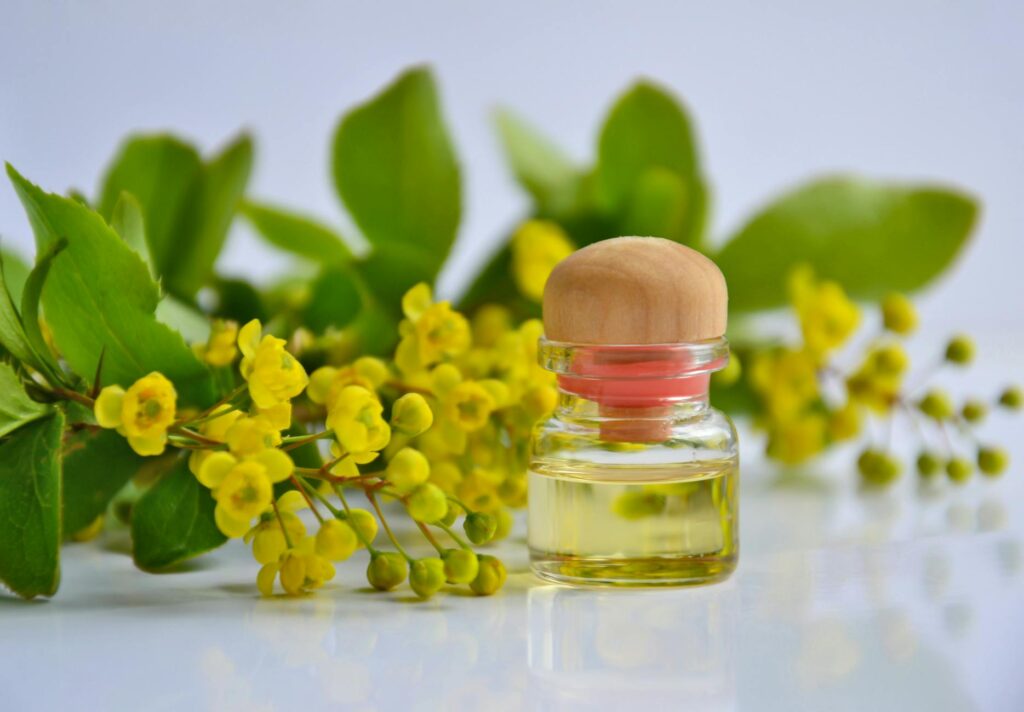
Health Benefits of Rose Oil
Introduction
Rose oil, derived from the petals of the Rosa damascena (Damask rose) or other species of roses, has been cherished for centuries for its exquisite fragrance and potential health benefits. This essential oil is a staple in the world of aromatherapy and holistic health practices. Its rich history, captivating aroma, and therapeutic properties make it a popular choice among both enthusiasts and practitioners of natural remedies.
In this article, we will explore the composition, benefits, applications, and safety considerations associated with rose oil, providing a comprehensive understanding of this cherished essential oil.
What Is Rose Oil?
Rose oil is a highly concentrated essential oil extracted from the blossoms of rose plants. The extraction process typically involves steam distillation or solvent extraction, with steam distillation being the most common method for producing high-quality rose oil.
The most widely used species for oil extraction includes:
- Rosa damascena: Known for its rich fragrance and therapeutic properties, it is primarily cultivated in Bulgaria and Turkey.
- Rosa centifolia: Often referred to as cabbage rose, this variety is favored for its sweet and floral scent.
The chemical composition of rose oil includes a complex blend of constituents such as geraniol, citronellol, and phenyl ethanol, each contributing to its distinct aroma and potential benefits.
Key Benefits and Properties
Rose oil is revered for a variety of beneficial properties, including:
1. Emotional Well-being
Rose oil is often used to uplift mood and alleviate feelings of anxiety and depression. Its soothing aroma has been found to promote relaxation and emotional stability, making it a valuable tool in stress management.
2. Skin Health
The oil’s anti-inflammatory and antiseptic properties make it beneficial for skin care. It may help reduce redness, irritation, and the appearance of scars. Additionally, rose oil is often included in formulations aimed at moisturizing and rejuvenating the skin.
3. Hormonal Balance
Some studies suggest that rose oil may help balance hormones, particularly in women. It is believed to alleviate symptoms associated with menstrual discomfort and menopause, though further research is needed to substantiate these claims.
4. Antimicrobial Properties
Rose oil exhibits antimicrobial activity, making it useful in combating certain infections. Its ability to inhibit the growth of bacteria and fungi adds to its appeal in natural health practices.
5. Anti-inflammatory Effects
The oil’s anti-inflammatory properties may help reduce inflammation in the body, contributing to overall health and wellness.
Common Uses
Rose oil is versatile and can be used in a variety of ways:
1. Aromatherapy Diffusion
One of the most common applications of rose oil is in aromatherapy. Adding a few drops to a diffuser can create a calming environment, ideal for meditation or relaxation.
2. Topical Applications
Rose oil can be diluted with a carrier oil (such as jojoba or coconut oil) and applied to the skin. This practice is popular for skincare routines to promote a healthy complexion.
3. Bath Products
Adding rose oil to bath products or bathwater can enhance the bathing experience, offering both aromatic and skin-nourishing benefits.
4. Massage Oil
Blend rose oil with a carrier oil for a luxurious massage experience. Its soothing properties can enhance relaxation during the massage.
Aromatherapy Applications
In the realm of aromatherapy, rose oil is highly regarded for its emotional and psychological benefits. Here are a few common applications:
1. Stress Relief
Inhaling the scent of rose oil can help create a serene atmosphere, promoting relaxation and reducing stress levels.
2. Mood Enhancement
Rose oil is often used in blends aimed at improving mood and alleviating symptoms of anxiety or sadness. Its floral aroma is believed to evoke feelings of happiness and love.
3. Sleep Aid
Utilizing rose oil in a nighttime routine, whether through diffusion or topical application, may assist in promoting restful sleep.
4. Meditation and Spiritual Practices
Many practitioners incorporate rose oil into their meditation routines, as its scent is believed to enhance spiritual experiences and foster a deeper connection during practice.
Safety Considerations
While rose oil is generally considered safe for use, there are some important safety considerations to keep in mind:
1. Dilution is Key
Essential oils are potent and should always be diluted with a carrier oil before topical application to avoid skin irritation.
2. Allergic Reactions
Conduct a patch test prior to widespread use, especially for those with sensitive skin or allergies. If irritation occurs, discontinue use.
3. Pregnancy and Nursing
Pregnant or nursing individuals should consult a healthcare professional before using rose oil, as certain essential oils may not be advisable during these periods.
4. Interaction with Medications
Individuals on medication or with existing health conditions should consult with a healthcare professional before using rose oil, as it may interact with certain treatments.
Storage and Shelf Life
To maintain the quality and efficacy of rose oil, proper storage is essential. Here are some guidelines:
1. Storage Conditions
Store rose oil in a cool, dark place, away from direct sunlight and heat sources. A dark glass container is preferable, as it protects the oil from light degradation.
2. Shelf Life
When stored correctly, rose oil can last up to 2-3 years. However, it is advisable to check for any changes in scent or consistency before use, as these may indicate that the oil has degraded.
Frequently Asked Questions
1. Can rose oil be used in cooking?
Rose oil is primarily used for aromatic and therapeutic purposes and is not typically recommended for culinary applications due to its potency. Always ensure that any essential oil used in food is labeled as food-grade.
2. Is rose oil suitable for all skin types?
While rose oil is generally safe for most skin types, individuals with sensitive skin should perform a patch test prior to full application.
3. Can I use rose oil in my skincare routine?
Yes, rose oil can be integrated into your skincare routine, but it should always be diluted with a carrier oil to avoid irritation.
4. Is rose oil safe for children?
Caution should be exercised when using essential oils around children. Consult a healthcare professional for guidance on age-appropriate uses.
5. How do I choose a quality rose oil?
Select a high-quality, pure rose oil that is labeled as therapeutic grade. Check for certifications and reviews from reputable sources to ensure authenticity.
Conclusion
Rose oil is a multifaceted essential oil with a rich history and numerous potential benefits. Its applications in aromatherapy, skincare, and emotional well-being make it a valuable addition to holistic health practices. By understanding its properties, uses, and safety considerations, individuals can harness the power of rose oil while enjoying its enchanting fragrance. As with any essential oil, it is essential to approach its use with mindfulness and care, ensuring a safe and enriching experience.