
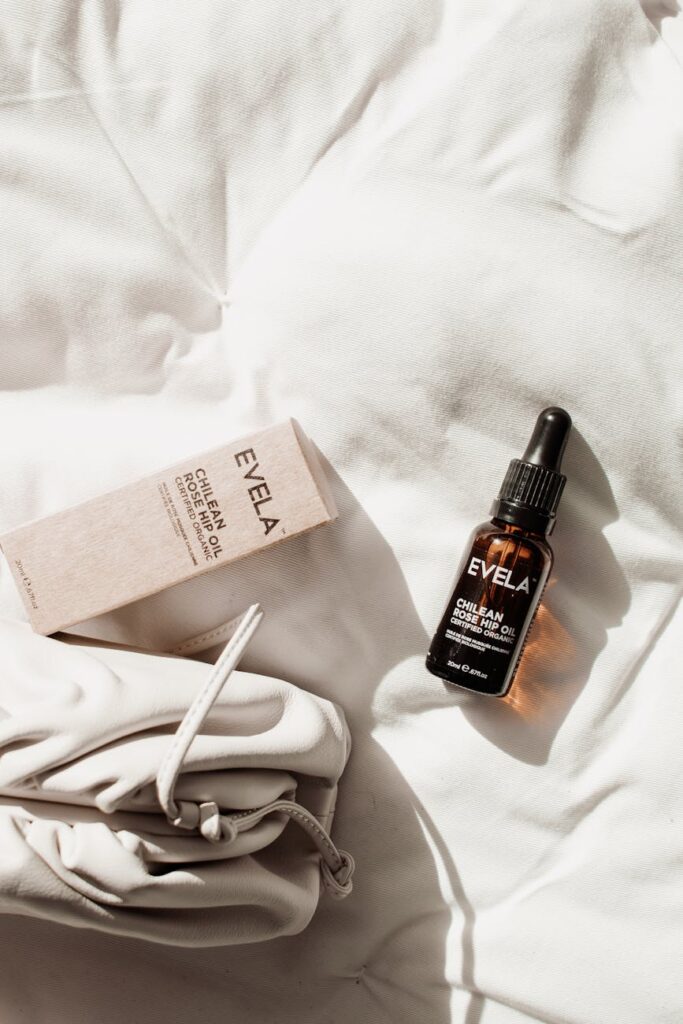
Health Benefits of Rosehip Oil
Introduction
Rosehip oil has gained significant popularity in recent years within the realms of skincare and holistic wellness. Extracted from the seeds of the wild rose bush, particularly Rosa canina, this oil has been celebrated for its rich nutrient profile and versatile applications. In this article, we will explore the origins, benefits, and uses of rosehip oil, providing a comprehensive overview for those interested in its properties and potential applications.
What Is Rosehip Oil?
Rosehip oil is derived from the seeds and fruit of the rose plant, specifically the wild rose, which thrives in various regions, including Europe and South America. The oil is typically cold-pressed to maintain its therapeutic properties and prevent the degradation of sensitive compounds. This method preserves the oil’s rich source of vitamins, essential fatty acids, and antioxidants, making it a favored ingredient in skincare formulations.
The oil is characterized by its light orange to reddish hue and a slightly nutty aroma. It is devoid of any greasy residue, allowing for easy absorption into the skin.
Key Benefits and Properties
1. Nutrient-Rich Composition
Rosehip oil is particularly renowned for its high concentration of essential fatty acids, including linoleic acid (omega-6) and alpha-linolenic acid (omega-3). These fatty acids are essential for maintaining healthy skin and play a crucial role in cellular regeneration.
The oil is also abundant in vitamins A, C, and E. Vitamin A promotes cell turnover, aiding in the reduction of fine lines and wrinkles. Vitamin C is a potent antioxidant that supports collagen production and boosts skin radiance, while vitamin E helps to neutralize free radicals.
2. Anti-Inflammatory Properties
The anti-inflammatory effects of rosehip oil can be beneficial for conditions like eczema and psoriasis. The essential fatty acids present in the oil may help to soothe irritated skin and reduce redness, promoting an even skin tone.
3. Moisturization and Hydration
Rosehip oil is known for its emollient properties, making it an effective moisturizer. It helps to lock in moisture, reducing dryness and providing the skin with a soft, supple texture. Its lightweight nature makes it suitable for various skin types, including oily and combination skin.
4. Scar Healing and Skin Regeneration
Research indicates that rosehip oil may aid in the healing of scars and stretch marks due to its ability to promote skin regeneration. The oil’s rich content of essential fatty acids and vitamins facilitates the repair of damaged skin, making it a popular choice for post-surgical care and for individuals seeking to minimize the appearance of scars.
5. Antioxidant Protection
The antioxidants found in rosehip oil help to combat oxidative stress caused by environmental factors such as pollution and UV radiation. By neutralizing free radicals, the oil may help to prevent premature aging and maintain skin elasticity.
Common Uses
Rosehip oil is versatile and can be used in various ways:
- Skincare: Often incorporated into serums, creams, and lotions, rosehip oil is used to enhance hydration and improve skin texture.
- Haircare: It can be applied to the hair and scalp to combat dryness and improve shine.
- Massage oil: Due to its lightweight consistency, rosehip oil can be blended with other carrier oils for use in massage therapy.
- DIY formulations: Many individuals create their own skincare products, incorporating rosehip oil into face masks, scrubs, and more.
- Blending: Combine it with essential oils such as lavender or chamomile for a soothing effect.
- Topical application: Dilute with a carrier oil before applying to pulse points or areas of tension to harness its calming properties.
Aromatherapy Applications
While rosehip oil is primarily celebrated for its topical benefits, it can also play a role in aromatherapy. Although it is not typically used as a primary essential oil for diffusing, it can be blended with other essential oils to enhance the aroma and therapeutic properties of a blend.
When using rosehip oil in aromatherapy:
Safety Considerations
While rosehip oil is generally considered safe for most skin types, it is essential to perform a patch test before widespread use. Individuals with sensitive skin or allergies should exercise caution and consult with a qualified professional if unsure.
1. Patch Testing
To conduct a patch test, apply a small amount of diluted rosehip oil to a discreet area of skin and monitor for any adverse reactions over 24 hours.
2. Pregnancy and Nursing
Pregnant or nursing individuals should consult a healthcare professional before incorporating rosehip oil into their routines, as some essential oils may not be recommended during these periods.
3. Storage Precautions
Store rosehip oil in a cool, dark place away from direct sunlight to maintain its integrity and prolong its shelf life.
Storage and Shelf Life
To maximize the longevity of rosehip oil, it is essential to store it properly. When stored in a cool, dark environment, rosehip oil typically has a shelf life of around six months to one year. Using opaque or dark glass bottles can help to protect the oil from light exposure, which can lead to oxidation and degradation of its beneficial compounds.
1. Signs of Spoilage
If the oil develops an off smell, changes in color, or becomes cloudy, it may have gone rancid and should be discarded.
Frequently Asked Questions
1. Can rosehip oil be used on all skin types?
Yes, rosehip oil is suitable for various skin types, including dry, oily, and combination skin. Its lightweight nature allows it to absorb easily without clogging pores.
2. How often should I use rosehip oil?
Usage may vary depending on individual needs, but many individuals find applying rosehip oil once or twice daily yields beneficial results.
3. Can rosehip oil help with acne?
Rosehip oil’s anti-inflammatory properties and ability to regulate sebum production may make it beneficial for some individuals dealing with acne. However, results can vary, and it is advisable to consult a skincare professional for personalized advice.
4. Is rosehip oil safe for sensitive skin?
While many people with sensitive skin may tolerate rosehip oil well, it is always recommended to perform a patch test before incorporating it into your skincare routine.
5. Can rosehip oil be ingested?
Rosehip oil is primarily intended for topical use. If considering ingestion, it is crucial to consult a healthcare professional for guidance.
Conclusion
Rosehip oil is a remarkable natural oil with a plethora of benefits for skin health, making it a valuable addition to both skincare routines and holistic wellness practices. Its rich nutrient profile, combined with its moisturizing and regenerative properties, positions it as a sought-after ingredient in the pursuit of healthy skin. As always, individuals should approach any new product with caution, ensuring proper testing and consideration of their unique skin needs.