
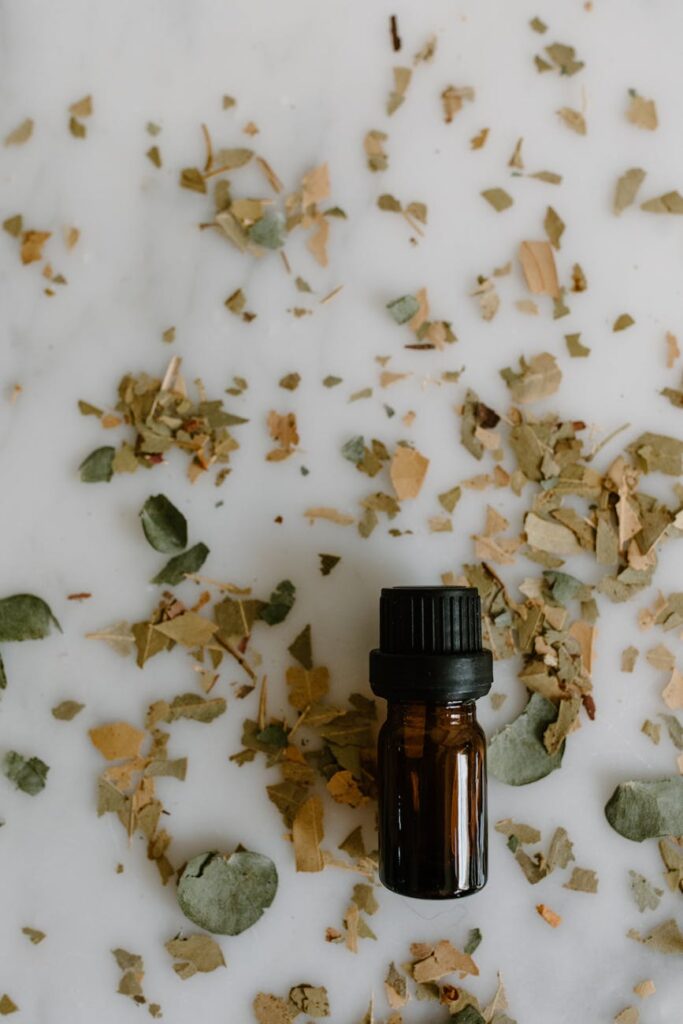
Health Benefits of Saffron Extract
Introduction
Saffron, derived from the flower of Crocus sativus, is one of the most sought-after spices globally, both for its culinary prowess and its myriad health benefits. Known for its vibrant color and unique flavor, saffron has also been utilized in traditional medicine for centuries. Saffron extract, a concentrated form of this spice, has gained popularity for its potential therapeutic properties. This article delves into what saffron extract is, its key benefits, common uses, and its applications in aromatherapy.
What Is Saffron Extract?
Saffron extract is derived from the stigmas of the Crocus sativus flower, specifically the dried threads that are hand-harvested and processed. This labor-intensive method contributes to saffron’s status as one of the most expensive spices by weight. The extract is typically obtained through various methods, including solvent extraction and distillation, which help concentrate its bioactive compounds.
The primary components of saffron include crocin, picrocrocin, and safranal, each contributing to its distinct flavor, aroma, and health benefits. Crocin is responsible for saffron’s rich golden color and exhibits antioxidant properties, while picrocrocin contributes to its taste, and safranal provides its aromatic qualities.
Key Benefits and Properties
Antioxidant Properties
One of the most notable benefits of saffron extract is its high antioxidant content. Antioxidants are essential for neutralizing free radicals in the body, which can cause oxidative stress and contribute to chronic diseases. Crocin and safranal are particularly potent antioxidants, helping to protect cells from damage.
Mood Enhancement
Saffron extract has been linked to mood enhancement and emotional well-being. Some studies suggest that saffron may help alleviate symptoms of depression and anxiety, making it a natural alternative for those seeking non-pharmaceutical approaches to mental health. The compounds in saffron are believed to influence neurotransmitters such as serotonin, which play a significant role in regulating mood.
Anti-Inflammatory Effects
Chronic inflammation is associated with various health issues, including heart disease and arthritis. Saffron extract contains compounds that exhibit anti-inflammatory properties, potentially helping to reduce inflammation in the body. This can contribute to overall health and well-being.
Eye Health
Research has indicated that saffron may have protective effects on eye health, particularly in relation to age-related macular degeneration (AMD). The antioxidant properties of crocin, in particular, may help improve vision and protect the retina from oxidative damage.
Cognitive Function
Some studies suggest that saffron extract may support cognitive function and memory enhancement. The compounds in saffron may improve blood flow to the brain and protect against neurodegenerative diseases. This makes saffron an intriguing area of research for those interested in natural cognitive enhancers.
Skin Health
Saffron extract is often included in skincare products due to its potential benefits for skin health. Its anti-inflammatory and antioxidant properties may help reduce signs of aging, alleviate acne, and promote a healthy complexion. Topical applications of saffron extract can help soothe irritated skin and enhance overall skin tone.
Common Uses
Saffron extract is versatile and can be used in various forms, including:
- Culinary Applications: Saffron is commonly used in cooking, lending its unique flavor and color to dishes such as risottos, paellas, and desserts.
- Supplements: Saffron extract is available in supplement form, often marketed for its mood-enhancing and cognitive benefits.
- Skincare Products: Due to its potential skin benefits, saffron extract is found in numerous cosmetic formulations, including creams, serums, and face masks.
Aromatherapy Applications
In the realm of aromatherapy, saffron extract is utilized for its uplifting and calming properties. Its rich, warm aroma can help create a soothing atmosphere, making it a valuable addition to essential oil blends. Here are some common ways saffron extract is used in aromatherapy:
Diffusion
Saffron extract can be added to essential oil diffusers to fill a room with its distinct aroma. The calming scent may help alleviate stress and promote relaxation.
Massage Oils
When diluted in carrier oils, saffron extract can be incorporated into massage oils. Its potential mood-enhancing properties can create a more enjoyable experience during massage therapy.
Bath Products
Adding saffron extract to bath products, such as bath oils or salts, can enhance relaxation and provide a luxurious bathing experience. The warm scent can help soothe the mind while the antioxidants may benefit the skin.
Safety Considerations
While saffron extract is generally considered safe for most people, it is essential to adhere to recommended dosages. Excessive consumption of saffron can lead to adverse effects, including nausea, vomiting, and diarrhea. Pregnant and breastfeeding women should exercise caution and consult a healthcare professional before using saffron extract.
Additionally, individuals with allergies or sensitivities to saffron should avoid its use. Always conduct a patch test when using saffron extract in skincare products to check for any allergic reactions.
Storage and Shelf Life
Saffron extract should be stored in a cool, dark place to preserve its potency and flavor. Exposure to light, heat, and moisture can degrade its quality over time. When stored properly, saffron extract can last for about two to three years. It is advisable to check the expiration date on the packaging and to use the extract within this timeframe for optimal benefits.
Frequently Asked Questions
1. How can saffron extract be consumed?
Saffron extract can be consumed in various forms, including as a spice in cooking, in supplement capsules, or as an infusion in teas. Be sure to follow the recommended dosages provided on the product label.
2. Can saffron extract be harmful?
While saffron extract is generally safe, consuming it in excessive amounts can lead to adverse reactions. It is essential to adhere to recommended dosages and consult with a healthcare professional if you have concerns.
3. Is saffron extract suitable for everyone?
Saffron extract is not recommended for pregnant or breastfeeding women without professional guidance. Individuals with allergies to saffron or its components should also avoid its use.
4. How does saffron extract compare to other herbal supplements?
Saffron extract is unique due to its specific bioactive compounds, which contribute to its distinct benefits. While other herbal supplements may offer various health properties, saffron stands out for its potential mood enhancement and antioxidant effects.
5. Can saffron extract improve sleep quality?
While saffron extract may help alleviate stress and anxiety, which can contribute to better sleep, more research is needed to confirm its effects on sleep quality. Individuals seeking sleep improvements should explore a variety of methods and consult with a healthcare professional if needed.
Conclusion
Saffron extract is a fascinating natural product with a rich history in culinary and medicinal applications. Its impressive array of health benefits, from antioxidant properties to mood enhancement, makes it a valuable addition to various wellness practices. Whether used in cooking, supplements, or aromatherapy, saffron extract offers a unique and multifaceted approach to supporting overall well-being. Always consider consulting with a healthcare professional before incorporating new supplements or extracts into your routine to ensure they are suitable for your individual needs.