
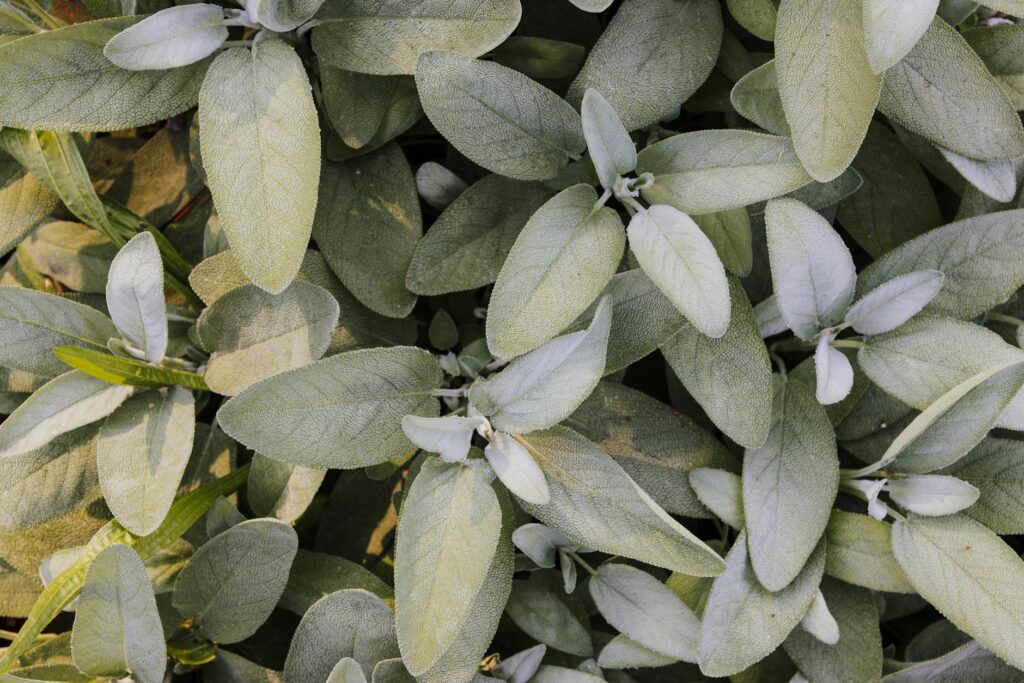
Health Benefits of Sage Essential Oil
Introduction
Sage essential oil, derived from the leaves of the Salvia officinalis plant, has been utilized for centuries due to its aromatic and therapeutic properties. Renowned for its rich history in culinary and medicinal applications, sage has earned a significant place in the world of essential oils and aromatherapy. This article delves into the myriad benefits, uses, and applications of sage essential oil, offering a comprehensive overview for those interested in the natural properties of this remarkable oil.
What Is Sage Essential Oil?
Sage essential oil is extracted through steam distillation from the leaves of the sage plant, a perennial herb that belongs to the mint family, Lamiaceae. The oil is characterized by a warm, earthy aroma with herbaceous undertones, making it a popular choice in both therapeutic and sensory applications. The primary chemical constituents of sage essential oil include thujone, camphor, and 1,8-cineole, each contributing to its distinctive properties.
Sage has been revered in various cultures for its cleansing and purifying qualities. In ancient times, it was believed to ward off evil spirits and was commonly used in rituals and ceremonies. Today, sage essential oil is celebrated for its versatility, finding applications in aromatherapy, skincare, and household products.
Key Benefits and Properties
Sage essential oil is lauded for its numerous health benefits, which stem from its unique chemical composition. Some of the key properties include:
1. Antimicrobial Properties
Sage essential oil is known for its antimicrobial effects, making it a popular ingredient in natural cleaning products and topical applications. Its ability to inhibit the growth of bacteria and fungi makes it a valuable asset for promoting a clean environment.
2. Anti-Inflammatory Effects
The oil contains compounds that may help reduce inflammation, which can be beneficial for individuals experiencing conditions that involve swelling or irritation.
3. Mood Enhancer
Sage essential oil is often used in aromatherapy to uplift mood and alleviate feelings of anxiety or stress. Its calming properties can help promote mental clarity and emotional balance.
4. Hormonal Balance
Some studies suggest that sage essential oil may assist in regulating hormonal levels, particularly in women. This can be particularly relevant during menstrual cycles or menopause.
5. Digestive Aid
Historically, sage has been utilized to support digestive health. The essential oil may help alleviate digestive discomfort and promote healthy digestion when used appropriately.
Common Uses
Sage essential oil has a broad spectrum of applications across various domains:
1. Aromatherapy
Inhaling sage essential oil through diffusers or personal inhalers can create a calming atmosphere while promoting clarity and focus. Its rich aroma can help alleviate stress and promote relaxation.
2. Skincare
Due to its antimicrobial and anti-inflammatory properties, sage essential oil can be included in skincare formulations. It may help soothe irritated skin and promote a clear complexion.
3. Culinary Uses
While sage essential oil should be used with caution in cooking, it can enhance the flavor of dishes when used sparingly. It is important to ensure that the oil is food-grade if intended for culinary applications.
4. Household Cleaning
Sage essential oil’s antimicrobial properties make it an excellent addition to homemade cleaning solutions. Its pleasant aroma can also help deodorize spaces naturally.
Aromatherapy Applications
In the realm of aromatherapy, sage essential oil is often used in various blends and methods for enhancing emotional and physical well-being. Here are some popular applications:
1. Diffusion
Adding a few drops of sage essential oil to a diffuser can create a serene ambiance, making it ideal for meditation or relaxation sessions. The oil can be blended with other complementary oils such as lavender or bergamot for enhanced effects.
2. Massage
When diluted with a carrier oil, sage essential oil can be used in massage therapies to relieve tension and promote relaxation. Its anti-inflammatory properties may provide additional benefits for sore muscles.
3. Bath Soaks
Incorporating sage essential oil into bathwater can create a soothing experience. The warm water combined with the oil may help ease stress and promote relaxation.
4. Inhalation
A few drops of sage essential oil can be added to a bowl of hot water for inhalation. This method can be beneficial for clearing the airways and promoting respiratory health.
Safety Considerations
While sage essential oil is generally considered safe for external use, it is essential to take certain precautions:
1. Skin Sensitivity
Before applying sage essential oil topically, it is advisable to perform a patch test to check for any allergic reactions or skin sensitivities. Diluting the oil with a carrier oil is recommended to minimize any potential irritation.
2. Pregnancy and Nursing
Pregnant or nursing individuals should consult a healthcare professional before using sage essential oil, as it may have effects on hormonal levels.
3. Avoiding Ingestion
Sage essential oil should not be ingested unless under the guidance of a qualified healthcare professional. High concentrations can lead to adverse effects.
4. Children and Pets
Extra caution should be taken when using sage essential oil around children and pets. It is advisable to consult with a healthcare provider to ensure safety and appropriateness.
Storage and Shelf Life
To maintain the quality and efficacy of sage essential oil, proper storage is crucial:
1. Storage Conditions
Sage essential oil should be stored in a cool, dark place, away from direct sunlight and heat sources. A dark glass bottle is ideal for preserving the oil’s integrity.
2. Shelf Life
When stored correctly, sage essential oil typically has a shelf life of 2 to 3 years. However, it is best to check the oil for changes in color, aroma, or viscosity to determine its freshness.
Frequently Asked Questions
1. Can sage essential oil be used in cooking?
Sage essential oil can be used in cooking, but it should be done sparingly and only if the oil is labeled as food-grade. It is best to consult with a culinary expert before use.
2. Is sage essential oil safe for children?
Sage essential oil should be used with caution around children. It is advisable to consult with a healthcare provider to determine appropriate usage.
3. How can I incorporate sage essential oil into my skincare routine?
Sage essential oil can be added to carrier oils or lotions for topical application. However, a patch test is recommended to ensure no adverse reactions occur.
4. What are the best essential oils to blend with sage?
Sage essential oil blends well with other oils such as lavender, rosemary, and bergamot. These combinations can enhance emotional and therapeutic benefits.
5. How should I dilute sage essential oil for topical use?
A typical dilution ratio is 1-2 drops of sage essential oil per teaspoon of carrier oil. Adjust as necessary based on individual skin sensitivity.
Conclusion
Sage essential oil is a versatile and valuable addition to the world of aromatherapy and natural wellness. With its rich history and numerous benefits, it offers a range of applications for enhancing emotional well-being, promoting clear skin, and creating a peaceful atmosphere. By adhering to safety guidelines and proper storage methods, individuals can enjoy the many advantages that sage essential oil has to offer. As always, it is best to approach essential oils with respect for their potency and potential effects on the body.