
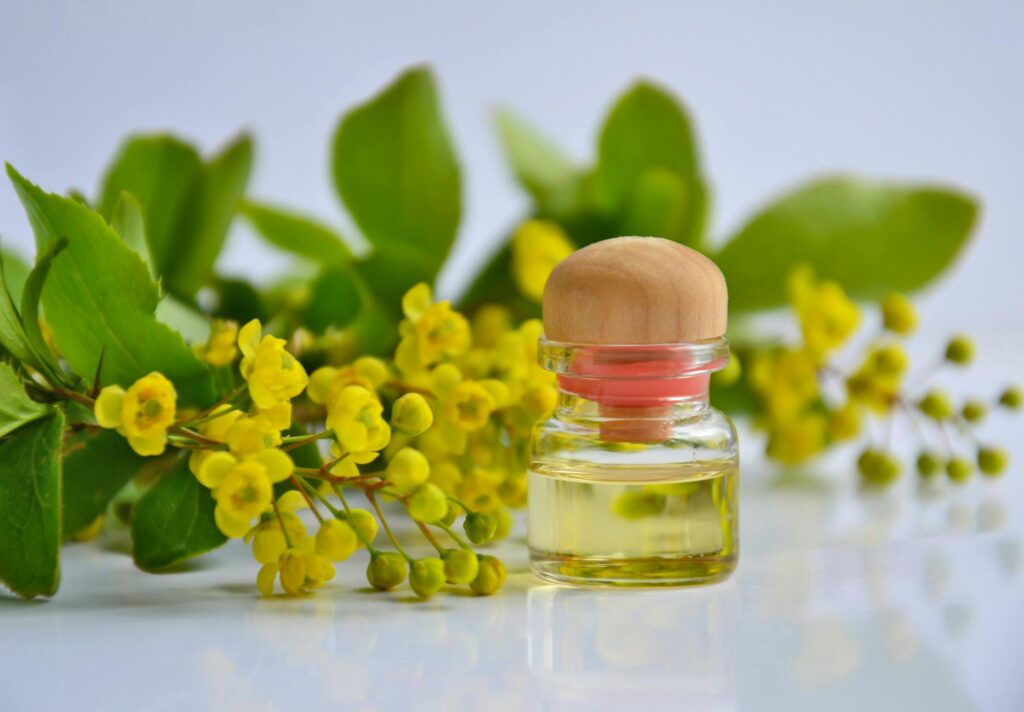
Health Benefits of Sandalwood Oil Safety
Introduction
Sandalwood oil, derived from the heartwood of the Santalum album tree, has been cherished for centuries for its aromatic and therapeutic qualities. As a staple in traditional medicine, spirituality, and cosmetics, this essential oil is widely recognized for its calming and grounding properties. However, like all essential oils, it is crucial to understand its safety profile, especially when used in aromatherapy or topical applications. This article delves into the health benefits of sandalwood oil while emphasizing safety considerations to ensure its effective and responsible use.
What Is Sandalwood Oil Safety?
Sandalwood oil safety encompasses the understanding of how to use the oil properly to minimize risks and maximize benefits. It involves knowledge about the oil’s chemical composition, potential side effects, and interactions with other substances. Proper safety measures ensure that users can enjoy the therapeutic effects of sandalwood oil without adverse reactions.
Key Benefits and Properties
Sandalwood oil is renowned for its myriad benefits and properties, which include:
1. Anti-Inflammatory: Sandalwood oil possesses anti-inflammatory properties that may help reduce swelling and irritation.
2. Antiseptic: The oil is known for its antiseptic qualities, making it useful for minor cuts and scrapes.
3. Sedative: Sandalwood oil is often used for its calming effects, promoting relaxation and reducing anxiety.
4. Aphrodisiac: Traditionally, sandalwood oil has been used as an aphrodisiac, believed to enhance libido and intimacy.
5. Skin Care: The oil is widely utilized in cosmetics for its moisturizing properties, helping to soothe dry or irritated skin.
6. Respiratory Health: Sandalwood oil may assist in easing respiratory issues, such as coughs and congestion, due to its soothing aroma.
These properties make sandalwood oil a versatile addition to both personal care routines and holistic practices.
Common Uses
Sandalwood oil finds application in various fields, such as:
- Cosmetics: Included in creams, lotions, and perfumes for its fragrance and skin benefits.
- Aromatherapy: Used in diffusers or as part of massage oils to promote relaxation.
- Traditional Medicine: Integrated into practices like Ayurveda for its therapeutic properties.
- Spiritual Practices: Employed in rituals and meditation for its grounding effects.
- Diffusion: A few drops of sandalwood oil can be added to a diffuser to fill the room with its calming aroma, promoting a peaceful environment conducive to meditation or relaxation.
- Topical Application: When mixed with a carrier oil, sandalwood oil can be applied to the skin to enhance its moisturizing and soothing effects. It is often used in massage oils for its relaxing properties.
- Bathing: Adding sandalwood oil to a warm bath can create a soothing experience, enhancing relaxation and alleviating stress.
- Cool, Dark Place: Store sandalwood oil in a dark glass bottle in a cool, dark environment to prevent degradation from light and heat.
- Tightly Sealed: Ensure the bottle is tightly sealed to minimize exposure to air, which can oxidize the oil and diminish its quality.
- Shelf Life: Sandalwood oil generally has a shelf life of about 2-3 years when stored correctly. Regularly check for changes in scent or consistency, as these may indicate that the oil has gone rancid.
Each of these uses underscores the importance of understanding sandalwood oil’s characteristics and safety measures.
Aromatherapy Applications
In aromatherapy, sandalwood oil is primarily appreciated for its rich, woody scent that creates a relaxing atmosphere. Here are some common applications:
Safety Considerations
While sandalwood oil is generally considered safe for most individuals, certain precautions should be observed:
1. Dilution: Always dilute sandalwood oil with a carrier oil before applying it topically. A common ratio is 2-3 drops of essential oil per teaspoon of carrier oil.
2. Patch Test: Conduct a patch test on a small area of skin to check for any allergic reactions before widespread use.
3. Pregnancy and Nursing: Pregnant or nursing individuals should consult a healthcare provider before using sandalwood oil, as its effects during these stages are not fully understood.
4. Medical Conditions: Individuals with certain medical conditions or those taking medications should seek guidance from a healthcare professional before using sandalwood oil.
5. Children: Caution is advised when using essential oils around children. Always consult with a pediatrician for guidance on safe usage.
6. Quality of Oil: Ensure that the sandalwood oil is sourced from reputable suppliers. Pure, high-quality essential oils are less likely to cause adverse reactions compared to synthetic or adulterated products.
Storage and Shelf Life
Proper storage of sandalwood oil is essential to maintain its efficacy and safety. Here are some guidelines:
Frequently Asked Questions
1. Can sandalwood oil be ingested?
Ingesting essential oils, including sandalwood oil, is not recommended without the guidance of a qualified healthcare professional. Essential oils can be potent and may lead to adverse reactions when taken internally.
2. Is sandalwood oil safe for sensitive skin?
While sandalwood oil is often well-tolerated, individuals with sensitive skin should conduct a patch test before use. Dilution with a carrier oil is essential.
3. Can sandalwood oil help with stress and anxiety?
Sandalwood oil is known for its calming properties, which may help alleviate stress and anxiety. However, individual experiences may vary.
4. Is sandalwood oil suitable for children?
Caution is advised when using essential oils around children. It is best to consult with a pediatrician before use.
5. What is the difference between sandalwood oil and sandalwood blend oils?
Sandalwood oil refers to the pure essential oil extracted from the Santalum album tree. In contrast, sandalwood blend oils may contain synthetic fragrances or other essential oils mixed with sandalwood, which can alter the therapeutic properties.
Conclusion
Sandalwood oil is a valuable essential oil celebrated for its numerous benefits and applications, particularly in aromatherapy and skincare. Understanding its safety considerations is paramount to ensure that users can enjoy its calming and therapeutic effects without adverse reactions. By following proper dilution practices, conducting patch tests, and storing the oil correctly, individuals can harness the full potential of sandalwood oil safely and effectively. Always prioritize quality and consult professionals when necessary to ensure a positive experience with this cherished essential oil.