
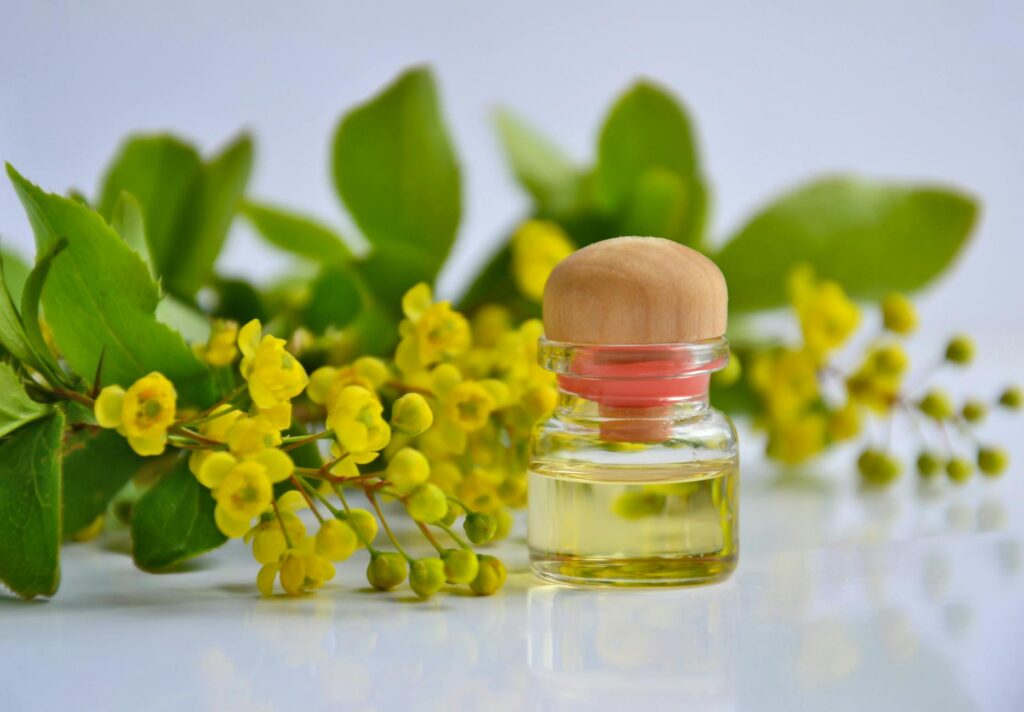
Health Benefits of Squalane Oil
Introduction
Squalane oil, a derivative of squalene, has gained significant popularity in recent years, particularly in the fields of skincare and wellness. Its lightweight texture and numerous benefits make it a favored ingredient among beauty enthusiasts and holistic practitioners alike. This article aims to provide an in-depth look at squalane oil, exploring its origins, properties, applications, and safety considerations.
What Is Squalane Oil?
Squalane is a hydrocarbon derived from squalene, which is a natural component found in human sebum, as well as in various plant oils. Squalene is typically harvested from sources such as shark liver oil, but due to ethical and sustainability concerns, many manufacturers now derive it from plant sources like olives, sugarcane, and rice bran.
The hydrogenation of squalene produces squalane, a stable and saturated form of the compound. This transformation not only enhances its shelf stability but also makes it suitable for use in cosmetic formulations. Squalane oil is colorless, odorless, and non-greasy, making it an appealing choice for various applications.
Key Benefits and Properties
Moisturizing Abilities
One of the primary benefits of squalane oil is its exceptional moisturizing properties. It mimics the skin’s natural oils, allowing it to penetrate deeply and hydrate without leaving a greasy residue. This makes it suitable for individuals with various skin types, including oily and acne-prone skin.
Antioxidant Properties
Squalane oil is rich in antioxidants, which help protect the skin from oxidative stress caused by environmental factors such as UV rays and pollution. This property supports overall skin health and may contribute to a more youthful appearance.
Anti-Inflammatory Effects
Research indicates that squalane may possess anti-inflammatory properties, making it beneficial for calming irritated skin. This aspect is particularly useful for those with conditions like eczema and psoriasis, though individual experiences may vary.
Non-Comedogenic Nature
Squalane oil is non-comedogenic, meaning it does not clog pores. This quality makes it an ideal option for individuals who are concerned about acne or breakouts, as it can provide hydration without exacerbating skin issues.
Enhances Skin Barrier Function
Squalane oil can help strengthen the skin’s natural barrier, which is crucial for maintaining moisture and protecting against external irritants. A healthy skin barrier can lead to improved overall skin texture and resilience.
Common Uses
Skincare
Squalane oil is widely used in skincare products, including moisturizers, serums, and facial oils. Its lightweight texture allows it to be easily absorbed, making it an effective hydrator for both morning and evening routines.
Hair Care
In addition to skincare, squalane oil can also be beneficial for hair. Its moisturizing properties can help reduce frizz, enhance shine, and promote overall hair health. Several hair care products now incorporate squalane to provide hydration and nourishment.
Makeup Remover
Due to its ability to dissolve makeup effectively, squalane oil can serve as a gentle makeup remover. Its non-irritating nature makes it suitable for sensitive skin around the eyes.
Lip Care
Squalane oil can also be used in lip care formulations, providing hydration and protection to keep lips soft and supple. Many lip balms and treatments now include squalane to enhance their moisturizing properties.
Aromatherapy Applications
While squalane oil is primarily recognized for its skincare benefits, its role in aromatherapy is also noteworthy. It can act as a carrier oil for essential oils, allowing for safe and effective topical application. Here are a few ways squalane can be used in aromatherapy:
Dilution of Essential Oils
When blending essential oils for topical use, squalane can be employed as a carrier oil to dilute concentrated oils. This ensures that essential oils are applied safely and effectively without causing skin irritation.
Massage Oil
Squalane oil can be used as a base for massage oils, offering a smooth glide and deep hydration. Its non-greasy texture makes it ideal for various massage techniques.
Aromatherapeutic Blends
Squalane can be incorporated into aromatherapeutic blends that are applied to the skin. When combined with essential oils known for their calming or uplifting properties, squalane enhances the overall experience.
Safety Considerations
Squalane oil is generally considered safe for topical use. However, as with any skincare product, it is advisable to perform a patch test before widespread application, especially for individuals with sensitive skin or allergies. Here are some safety tips:
- Patch Test: Apply a small amount of squalane oil to a discreet area of skin to check for any adverse reactions before using it more broadly.
- Consultation: Individuals with specific skin concerns or conditions should consult with a healthcare provider or dermatologist before incorporating new products into their routine.
- Storage: Keep squalane oil in a cool, dark place to maintain its integrity and extend its shelf life.
- Cool, Dark Place: Store squalane oil away from direct sunlight and heat sources to prevent degradation.
- Tightly Sealed: Ensure that the bottle is tightly sealed after each use to prevent oxidation and contamination.
- Expiration Date: Always check the expiration date on the packaging, and discard any product that has changed in color, smell, or texture.
Storage and Shelf Life
Squalane oil has a relatively long shelf life due to its stable nature. However, proper storage is essential to ensure its effectiveness:
Frequently Asked Questions
Is squalane oil suitable for all skin types?
Yes, squalane oil is generally suitable for all skin types, including oily, dry, and sensitive skin. Its lightweight texture and non-comedogenic nature make it a versatile option.
Can squalane oil help with acne?
While individual experiences may vary, squalane oil is non-comedogenic and may be beneficial for individuals with acne-prone skin. It provides hydration without clogging pores.
How should I incorporate squalane oil into my skincare routine?
Squalane oil can be applied after cleansing and toning, either on its own or mixed with other treatments. It can also be used as a moisturizing layer before makeup application.
How does squalane oil compare to squalene?
Squalene is the natural form found in the skin and certain plants, while squalane is its hydrogenated, stable version. Squalane is typically used in cosmetics due to its enhanced stability and non-greasy texture.
Can I use squalane oil with essential oils?
Yes, squalane oil is an excellent carrier oil for diluting essential oils for topical application. It helps to safely deliver the benefits of essential oils without causing skin irritation.
Conclusion
Squalane oil is a versatile and beneficial ingredient known for its moisturizing, antioxidant, and skin barrier-enhancing properties. Its wide range of applications in skincare, hair care, and aromatherapy make it a valuable addition to personal care routines. By understanding its benefits, uses, and safety considerations, individuals can make informed choices about incorporating squalane oil into their wellness practices.