
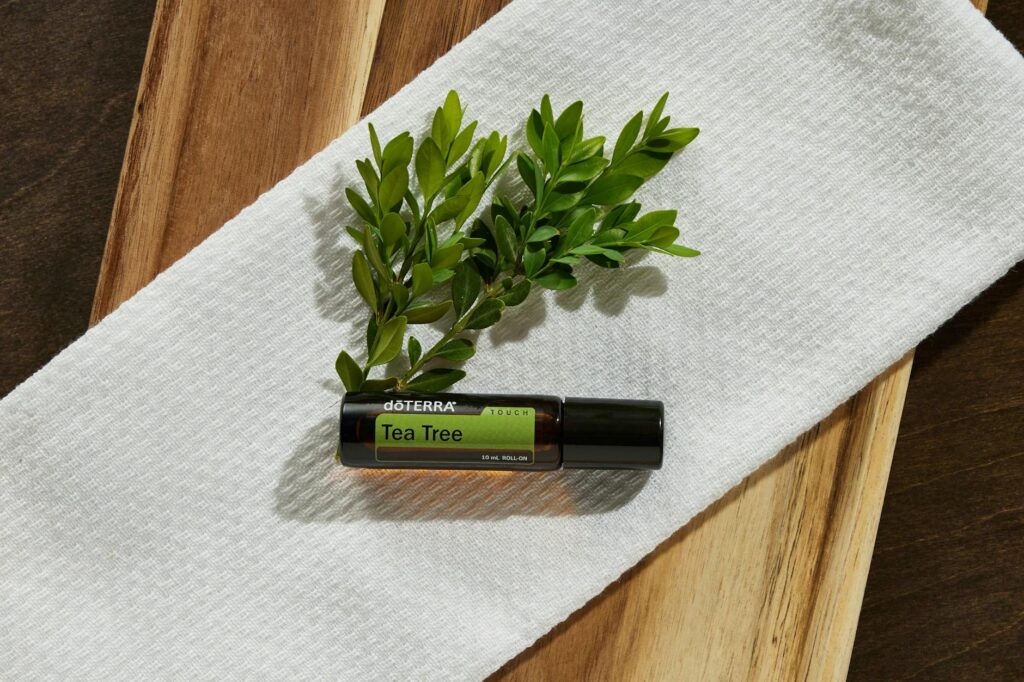
Health Benefits of Tea Tree Oil
Introduction
Tea tree oil, derived from the leaves of the Melaleuca alternifolia tree, has gained considerable attention in recent years for its diverse health benefits and applications. This essential oil has been utilized for centuries by Indigenous Australians, who recognized its potential for therapeutic uses. With growing interest in natural remedies, tea tree oil has found its way into various products, ranging from skincare to household cleaners. This article delves into the characteristics, benefits, and applications of tea tree oil in the realm of health and wellness.
What Is Tea Tree Oil?
Tea tree oil is an essential oil extracted through steam distillation of the leaves of the Melaleuca alternifolia tree, a small evergreen native to Australia. The oil is characterized by its pale yellow to clear color and a strong, medicinal aroma. Composed of numerous compounds, including terpinen-4-ol, gamma-terpinene, and alpha-terpineol, tea tree oil is revered for its antimicrobial and anti-inflammatory properties.
The oil is often confused with other types of “tea” oils, such as black tea or green tea, which are derived from the Camellia sinensis plant. It is important to note that tea tree oil is not meant for ingestion and should be used topically or in aromatherapy applications.
Key Benefits and Properties
Antimicrobial Properties
One of the most well-documented benefits of tea tree oil is its antimicrobial activity. Research indicates that tea tree oil is effective against a variety of bacteria, fungi, and viruses. This makes it a popular choice for treating minor cuts and abrasions, as well as for use in products designed to combat acne and fungal infections.
Anti-Inflammatory Effects
Tea tree oil possesses anti-inflammatory properties that may help reduce redness and swelling associated with skin irritations. This characteristic makes it a valuable ingredient in formulations designed to soothe conditions such as eczema and psoriasis.
Antioxidant Activity
The oil contains compounds that exhibit antioxidant properties, which can help neutralize free radicals in the body. By combating oxidative stress, tea tree oil may contribute to overall skin health and longevity.
Decongestant Qualities
When used in aromatherapy, tea tree oil is known for its decongestant properties. Inhaling the oil may help clear the airways, making it beneficial for those suffering from respiratory issues or seasonal allergies.
Common Uses
Tea tree oil is versatile and has found applications in various domains, including:
Skincare
Tea tree oil is a popular ingredient in skincare products, especially those aimed at treating acne. Its antibacterial properties can help inhibit the growth of acne-causing bacteria while its anti-inflammatory effects may reduce the appearance of redness and swelling.
Haircare
Shampoo formulations often include tea tree oil for its ability to combat dandruff and soothe the scalp. It may help reduce itchiness and flakiness, promoting a healthier scalp environment.
Household Cleaning
Due to its antimicrobial properties, tea tree oil is frequently used in natural cleaning products. A few drops can be added to homemade cleaners to enhance their effectiveness against germs and bacteria.
Oral Care
Tea tree oil is sometimes included in mouthwashes and toothpaste for its potential to combat oral bacteria. However, it is crucial to ensure that it is diluted properly and not ingested, as tea tree oil can be toxic if swallowed.
Aromatherapy Applications
In aromatherapy, tea tree oil is valued for its invigorating scent and therapeutic properties. Here are some ways it can be used:
Diffusion
Tea tree oil can be added to a diffuser to purify the air and promote a sense of well-being. When inhaled, it may help clear the mind and enhance focus.
Topical Application
When diluted with a carrier oil, tea tree oil can be applied directly to the skin to address specific concerns, such as blemishes or irritations. Popular carrier oils include jojoba, coconut, and almond oil.
Bath Additive
Adding a few drops of tea tree oil to bathwater can provide a relaxing experience while simultaneously benefiting the skin. The steam from the bath can also enhance the oil’s decongestant properties.
Safety Considerations
While tea tree oil is generally regarded as safe for topical use, there are important safety considerations to keep in mind:
Skin Sensitivity
Some individuals may experience skin irritation or allergic reactions when using tea tree oil. It is advisable to perform a patch test on a small area of skin before full application. If irritation occurs, discontinue use.
Not for Ingestion
Tea tree oil should never be ingested, as it can be toxic when swallowed. Keep it out of reach of children and pets.
Pregnant and Nursing Women
Pregnant and nursing women should consult a healthcare professional before using tea tree oil, as its effects during these periods are not fully understood.
Dilution
Tea tree oil should always be diluted with a carrier oil before topical application to minimize the risk of irritation. A general guideline is to use a 1-2% concentration for skin applications.
Storage and Shelf Life
To maintain the quality and efficacy of tea tree oil, proper storage is essential. Here are some tips:
Storage Conditions
Tea tree oil should be stored in a cool, dark place, away from direct sunlight and heat sources. A dark glass bottle with a tight-sealing cap is ideal for preserving the oil’s potency.
Shelf Life
When stored correctly, tea tree oil typically has a shelf life of 1 to 2 years. However, it is important to regularly check for changes in smell, color, or consistency, as these may indicate that the oil has gone rancid.
Frequently Asked Questions
Can tea tree oil be used for all skin types?
Tea tree oil is suitable for many skin types but can be irritating for sensitive skin. Always perform a patch test before using it extensively.
Is tea tree oil safe for children?
Tea tree oil should be used with caution around children. It is advisable to consult a healthcare professional for guidance on appropriate use.
Can tea tree oil help with acne?
Yes, tea tree oil is often used in acne treatments due to its antibacterial and anti-inflammatory properties. However, results may vary by individual.
How should tea tree oil be diluted for topical use?
A 1-2% dilution is generally recommended for topical applications. This can be achieved by mixing a few drops of tea tree oil with a carrier oil.
Can tea tree oil be used in cooking or food products?
No, tea tree oil should not be ingested, as it can be toxic. It is intended for topical or aromatic use only.
Conclusion
Tea tree oil is a multifaceted essential oil with a rich history and an array of health benefits. From its antimicrobial and anti-inflammatory properties to its diverse applications in skincare, haircare, and household cleaning, this oil has established itself as a valuable addition to natural health regimens. As with any essential oil, proper usage, dilution, and storage are key to maximizing its benefits while minimizing potential risks. As interest in natural remedies continues to grow, tea tree oil remains a prominent choice for those seeking alternative solutions for wellness.