
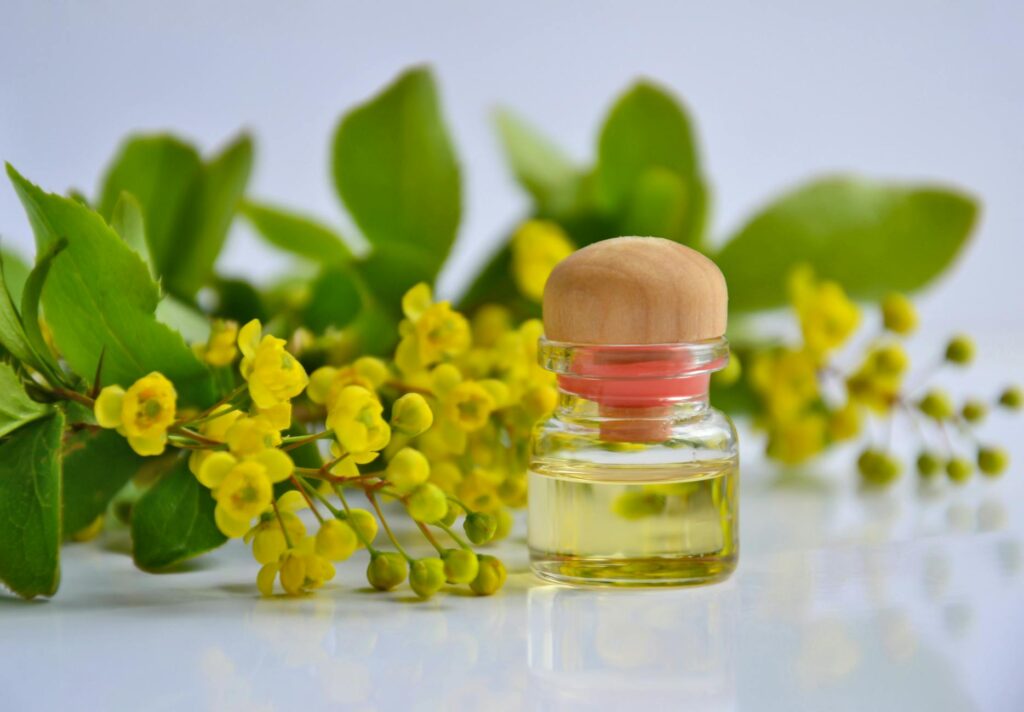
Health Benefits of Thyme Oil Safety
Introduction
Thyme oil, derived from the leaves and flowering tops of the Thymus vulgaris plant, is a potent essential oil renowned for its various health benefits and aromatic properties. In the world of aromatherapy and natural wellness, thyme oil is celebrated not only for its invigorating scent but also for its potential therapeutic uses. However, with these benefits come important considerations regarding its safe use. This article explores the safety of thyme oil, its benefits, common applications, and essential safety considerations to ensure its responsible use.
What Is Thyme Oil Safety?
Thyme oil safety refers to the guidelines and precautions that should be observed when using thyme essential oil. Essential oils are highly concentrated plant extracts that can have powerful effects on the body and mind. While thyme oil is generally recognized as safe when used properly, understanding its properties, potential side effects, and safe application methods is vital for anyone interested in using it for health and wellness.
Key Benefits and Properties
Thyme oil is rich in a variety of compounds that contribute to its numerous benefits:
1. Antimicrobial Properties: Thyme oil is known for its ability to inhibit the growth of harmful bacteria and fungi. This makes it a popular choice for natural cleaning products and skin care formulations.
2. Antioxidant Effects: The oil contains compounds that can neutralize free radicals in the body, helping to reduce oxidative stress and support overall health.
3. Respiratory Support: Thyme oil may promote respiratory health by helping to clear congestion and support healthy lung function. It is often used in steam inhalation or diffused to aid breathing during colds and allergies.
4. Mood Enhancement: The aroma of thyme oil is often described as uplifting and energizing, making it a popular choice in aromatherapy for mood enhancement and stress relief.
5. Digestive Aid: Thyme oil has been traditionally used to support digestive health, helping to alleviate symptoms such as bloating and indigestion when used appropriately.
Common Uses
Thyme oil can be utilized in various ways, including:
- Aromatherapy: Diffusing thyme oil in a room can create an uplifting atmosphere and promote relaxation.
- Topical Applications: When diluted in a carrier oil, thyme oil can be applied to the skin for its antimicrobial benefits.
- Cleaning Products: Due to its antimicrobial properties, thyme oil is sometimes added to DIY cleaning solutions.
- Culinary Uses: Thyme oil can enhance the flavor of dishes but should be used sparingly due to its potency.
- Inhalation: Inhaling thyme oil through steam inhalation can help clear the respiratory tract.
- Thyme and Lavender: This combination can promote relaxation and restful sleep.
- Thyme and Eucalyptus: Often used in respiratory blends, this mix can help clear congestion.
- Thyme and Lemon: Bright and refreshing, this blend is uplifting and can enhance mood.
- Keep it Cool: Store thyme oil in a cool, dark place, away from direct sunlight and heat sources.
- Use Dark Glass Containers: Essential oils should be stored in dark glass bottles to protect them from light, which can degrade their quality.
- Check Expiration Dates: Essential oils typically have a shelf life of 1-3 years. Always check for any changes in color, scent, or consistency, which may indicate that the oil has gone bad.
Aromatherapy Applications
In aromatherapy, thyme oil is often blended with other essential oils to create synergistic effects. Some common blends include:
When using thyme oil in aromatherapy, it is advisable to use a diffuser or add a few drops to a warm bath.
Safety Considerations
While thyme oil is generally safe for most individuals, there are essential safety considerations to keep in mind:
1. Dilution: Thyme oil should always be diluted with a carrier oil (such as jojoba or coconut oil) before applying it to the skin. A typical dilution ratio is 2-3 drops of essential oil per teaspoon of carrier oil.
2. Skin Sensitivity: Conduct a patch test before using thyme oil topically. Apply a small amount of diluted oil to a patch of skin and wait 24 hours to check for any adverse reactions.
3. Pregnancy and Nursing: Pregnant or nursing individuals should consult a healthcare professional before using thyme oil, as its effects have not been extensively studied in these populations.
4. Allergies: Individuals with allergies to plants in the Lamiaceae family (which includes mint, basil, and sage) should exercise caution when using thyme oil.
5. Medical Conditions: Those with certain medical conditions, particularly those affecting the liver or kidneys, should consult a healthcare professional before using thyme oil.
6. Children and Infants: Essential oils should be used cautiously around children and infants. Consult with a qualified practitioner for guidance on safe use.
Storage and Shelf Life
Proper storage is crucial for maintaining the potency and safety of thyme oil:
Frequently Asked Questions
1. Is thyme oil safe for everyone?
While thyme oil is generally safe, individuals with allergies, pregnant or nursing women, and people with certain medical conditions should consult a healthcare professional before use.
2. Can thyme oil be ingested?
Thyme oil is highly concentrated and should only be ingested under the guidance of a qualified healthcare provider. It is recommended for culinary use in very small amounts due to its potency.
3. How can I use thyme oil for respiratory issues?
Thyme oil can be used in a diffuser or added to a bowl of steaming water for inhalation. However, it should always be diluted appropriately for topical application.
4. Can thyme oil irritate the skin?
Undiluted thyme oil can cause skin irritation. Always dilute with a carrier oil before applying to the skin.
5. What are some alternatives to thyme oil?
If thyme oil is not suitable for you, consider other essential oils with similar properties, such as oregano oil, tea tree oil, or eucalyptus oil, while ensuring their safe usage.
Conclusion
Thyme oil is a versatile essential oil with numerous potential benefits, particularly in the realm of aromatherapy and natural health. However, safety should always be a priority when using essential oils. By understanding its properties, proper applications, and safety precautions, individuals can enjoy the advantages of thyme oil while minimizing risks. As with any natural product, informed and cautious use is key to unlocking its full potential.