
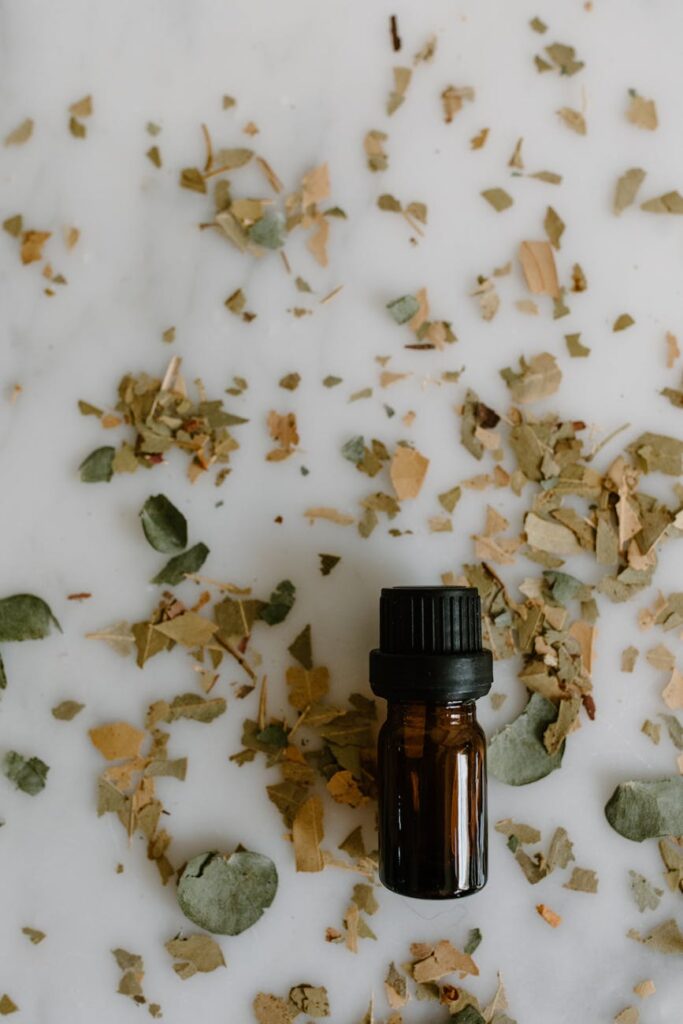
Health Benefits of Vetiver Oil Safety
Introduction
Vetiver oil, derived from the roots of the Vetiveria zizanoides plant, is a popular essential oil celebrated for its rich, earthy aroma and numerous therapeutic properties. This oil has found its place in the domains of aromatherapy, cosmetics, and traditional wellness practices. However, as with any essential oil, safety considerations are paramount for effective and responsible use. This article delves into the intricacies of vetiver oil safety, its benefits, applications, and the care needed to harness its potential fully.
What Is Vetiver Oil Safety?
Vetiver oil safety refers to the practices and guidelines that ensure the safe use of this essential oil. Given that essential oils are highly concentrated plant extracts, understanding how to use them appropriately is crucial to avoid adverse reactions. Vetiver oil safety encompasses proper dilution, application methods, and awareness of individual sensitivities to ensure a positive experience.
Key Benefits and Properties
Vetiver oil is renowned for its myriad of beneficial properties, making it a valuable addition to holistic health practices. Here are some key attributes:
1. Calming and Grounding: Vetiver oil is often lauded for its calming effects on the mind and body. Its rich, earthy scent can help reduce anxiety, promote relaxation, and enhance a sense of grounding.
2. Anti-Inflammatory Properties: Preliminary studies suggest that vetiver oil may possess anti-inflammatory characteristics, which can be beneficial in soothing skin irritations and conditions.
3. Antimicrobial Activity: Vetiver oil has demonstrated antimicrobial properties, making it a potential natural preservative in cosmetic formulations.
4. Skin Health: With its hydrating properties, vetiver oil can be beneficial for dry or irritated skin. It is often incorporated into skincare formulations for its soothing and rejuvenating effects.
5. Mood Enhancer: The oil is believed to have mood-enhancing properties, making it a popular choice in aromatherapy for emotional balance.
Common Uses
Vetiver oil has a diverse range of applications, making it a versatile addition to both home and personal care routines. Some common uses include:
- Aromatherapy: Often used in diffusers or inhalers to promote relaxation and reduce stress.
- Massage Oil: Diluted with carrier oils, vetiver oil can be used in massage to alleviate tension and promote relaxation.
- Skin Care: Incorporated into lotions, creams, and serums to help soothe and hydrate the skin.
- Hair Care: Added to shampoos or conditioners to nourish the scalp and promote healthy hair growth.
- Natural Perfume: Due to its strong, earthy scent, vetiver oil is commonly used in natural perfumery.
- Diffusion: Adding a few drops of vetiver oil to a diffuser can create a calming atmosphere, ideal for meditation or relaxation.
- Inhalation: Inhaling the scent directly from the bottle or through an aromatic inhaler can provide stress relief.
- Baths: A few drops mixed with a carrier oil can be added to bathwater for a soothing soak that promotes relaxation.
- Dark Glass Bottles: Store vetiver oil in dark glass bottles to protect it from light, which can degrade its quality.
- Cool Environment: Keep the oil in a cool, dry place, away from direct sunlight and heat sources.
- Shelf Life: Vetiver oil generally has a shelf life of 3-5 years when stored properly. However, it is advisable to check for any changes in scent, color, or viscosity before use.
Aromatherapy Applications
In aromatherapy, vetiver oil is typically utilized for its grounding and calming effects. Here are some popular applications:
Safety Considerations
While vetiver oil is generally considered safe for use, several safety precautions should be observed:
1. Dilution: Essential oils should always be diluted with a carrier oil before topical application. A common dilution ratio is 1-2% for adults, which means adding 1-2 drops of vetiver oil to every teaspoon (5 ml) of carrier oil.
2. Patch Test: Individuals should conduct a patch test before using vetiver oil on larger skin areas. Apply a diluted drop on a small patch of skin and wait 24 hours to check for any adverse reactions.
3. Avoiding Sensitive Areas: Vetiver oil should not be applied to sensitive areas, such as around the eyes or mucous membranes.
4. Pregnancy and Nursing: While vetiver oil is often considered safe, pregnant or nursing individuals should consult a healthcare professional before use.
5. Children and Pets: Special care should be taken when using essential oils around children and pets. Always consult with a qualified professional beforehand.
6. Allergic Reactions: Individuals who are allergic to grasses or other similar plants should exercise caution, as they may be more susceptible to reactions.
Storage and Shelf Life
Proper storage of vetiver oil is essential to maintain its potency and effectiveness. Here are some guidelines:
Frequently Asked Questions
1. Is vetiver oil safe for everyone?
While vetiver oil is generally safe, individual sensitivities vary. Always conduct a patch test and consult with a healthcare professional if you have specific concerns or conditions.
2. Can I use vetiver oil during pregnancy?
Pregnant individuals should consult a healthcare professional before using any essential oils, including vetiver oil, to ensure safety.
3. How should I dilute vetiver oil for topical use?
A common dilution ratio for topical application is 1-2%, meaning 1-2 drops of vetiver oil per teaspoon (5 ml) of carrier oil.
4. What is the best way to incorporate vetiver oil into my routine?
Vetiver oil can be used in various ways, including diffusion, topical application in skincare or massage, and adding to baths. Choose the method that best aligns with your needs.
5. Does vetiver oil have any contraindications?
While vetiver oil is generally well-tolerated, individuals with allergies to grasses should exercise caution. Always consult a professional if uncertain.
Conclusion
Vetiver oil is a multifaceted essential oil that offers various benefits, from promoting relaxation to enhancing skin health. However, ensuring safety through proper usage, dilution, and storage is crucial for a positive experience. Whether you’re a seasoned practitioner of aromatherapy or a newcomer, understanding vetiver oil’s properties and safety considerations will allow you to harness its full potential responsibly.