
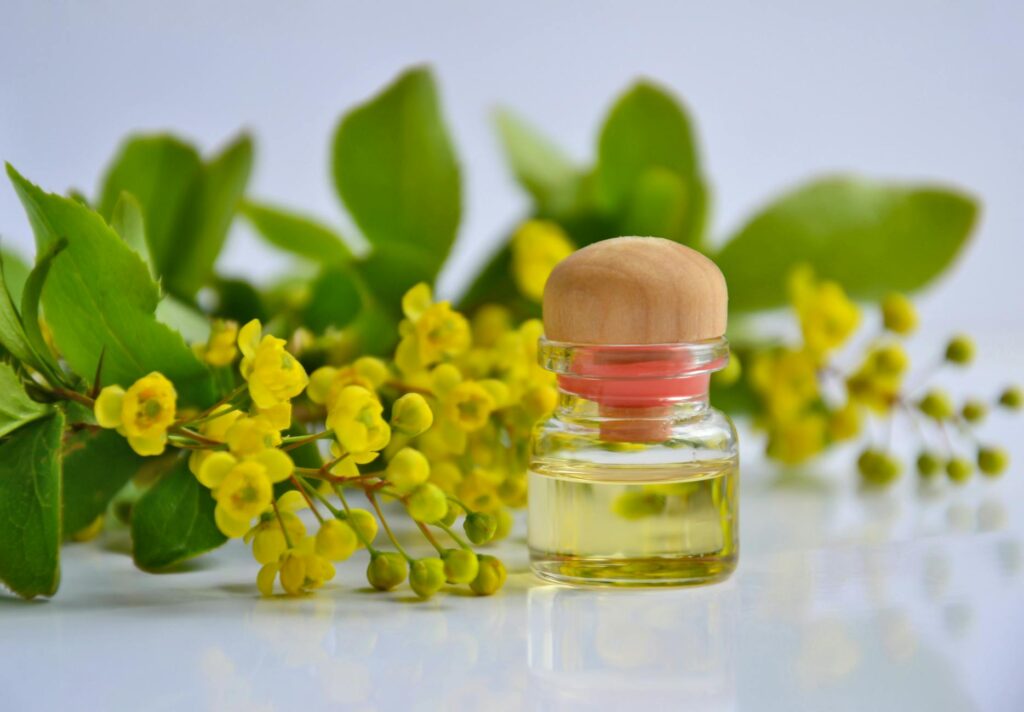
Health Benefits of Walnut Oil
Introduction
Walnut oil, derived from the seeds of the walnut tree (Juglans regia), has been a staple in culinary traditions and herbal practices for centuries. Renowned for its rich flavor and unique nutritional profile, this oil is not only valued in the kitchen but also celebrated for its potential benefits in health and wellness. This article explores the various properties, benefits, and applications of walnut oil, along with essential safety considerations and storage recommendations.
What Is Walnut Oil?
Walnut oil is extracted from the nuts of the walnut tree, primarily through cold pressing techniques that help retain its natural flavors and nutrients. The oil is typically pale yellow to amber in color and possesses a rich, nutty aroma. It is commonly used in cooking, salad dressings, and as a condiment, but its applications extend far beyond the culinary realm.
The oil is composed primarily of polyunsaturated fatty acids, particularly omega-3 and omega-6 fatty acids, which are considered essential for maintaining various bodily functions. Additionally, walnut oil contains vitamins and minerals, including vitamin E, which is known for its antioxidant properties.
Key Benefits and Properties
Nutritional Profile
Walnut oil is abundant in essential fatty acids, which play a crucial role in heart health and overall wellness. It contains approximately:
- Omega-3 Fatty Acids: These fats are known for their anti-inflammatory properties and are beneficial for cardiovascular health.
- Omega-6 Fatty Acids: These are also essential fats that the body needs for various functions, including skin health and cellular growth.
- Vitamin E: A potent antioxidant that helps combat oxidative stress in the body.
- Cool, Dark Place: Store walnut oil in a cool, dark area away from direct sunlight and heat sources. Exposure to light and heat can degrade the oil and diminish its beneficial properties.
- Tightly Sealed Containers: Keeping the oil in a tightly sealed container can help prevent oxidation and prolong its shelf life.
Antioxidant Properties
The presence of antioxidants in walnut oil, particularly vitamin E, helps protect cells from damage caused by free radicals. This property is essential for overall health and may contribute to reducing the risk of chronic diseases.
Anti-Inflammatory Effects
Research suggests that the omega-3 fatty acids found in walnut oil may help reduce inflammation in the body. This can be particularly beneficial for individuals with inflammatory conditions, as well as for promoting overall joint health.
Skin Health
Walnut oil is often praised for its moisturizing properties. Its fatty acid content can help nourish and hydrate the skin, making it an excellent choice for topical applications. Additionally, its antioxidant properties may aid in protecting the skin from environmental damage.
Common Uses
Culinary Applications
Walnut oil is widely used in cooking, particularly in salad dressings, marinades, and as a finishing oil for various dishes. Its rich, nutty flavor complements a variety of foods, making it a popular choice among chefs and home cooks alike. However, due to its low smoke point, it is best used in low-heat applications or as a condiment rather than for frying or high-heat cooking.
Skin Care
In skincare, walnut oil is often included in formulations for moisturizers, creams, and serums. Its emollient properties help to maintain skin hydration, while its antioxidant content can provide anti-aging benefits.
Hair Care
Walnut oil may also be utilized in hair care products. Its nourishing properties can help improve hair texture and shine while providing moisture to dry or damaged hair.
Aromatherapy Applications
While walnut oil is not as commonly used in aromatherapy as other essential oils, it can serve as a carrier oil for diluting essential oils. Its rich texture and skin-friendly properties make it suitable for use in massage oils and body treatments.
Blending with Essential Oils
When combined with essential oils, walnut oil can enhance the therapeutic effects of the aromatic blend. Its subtle scent allows it to complement a variety of essential oils, such as lavender, rosemary, and lemon, making it suitable for use in personal care products and massage therapies.
Safety Considerations
While walnut oil is generally safe for consumption and topical use, it is essential to consider the following precautions:
Allergies
Individuals with nut allergies should avoid walnut oil, as it may trigger allergic reactions. It is advisable to perform a patch test before applying walnut oil to the skin, especially for those with sensitive skin or a history of allergies.
Quality of Oil
The quality of walnut oil can vary significantly between brands. It is recommended to choose cold-pressed, organic walnut oil to ensure that it retains its beneficial properties and is free from additives or preservatives.
Not for High-Heat Cooking
Due to its relatively low smoke point (around 320°F or 160°C), walnut oil is not suitable for high-heat cooking methods. Instead, it is best used in cold dishes or added at the end of cooking to preserve its flavor and health benefits.
Storage and Shelf Life
Proper storage is essential for maintaining the quality and freshness of walnut oil. Here are some guidelines:
Storage Conditions
Shelf Life
Walnut oil typically has a shelf life of about 6 to 12 months when stored correctly. It is advisable to check for any signs of rancidity, such as off smells or changes in color, before use. If the oil smells sour or has a strange taste, it is best to discard it.
Frequently Asked Questions
1. Can walnut oil be used for cooking?
Yes, walnut oil can be used for cooking, but it is best suited for low-heat applications, such as salad dressings and drizzling over cooked dishes. Its low smoke point makes it unsuitable for frying or high-heat cooking.
2. Is walnut oil suitable for all skin types?
Walnut oil is generally safe for most skin types, but individuals with nut allergies or sensitive skin should exercise caution. It is advisable to perform a patch test before applying it to larger areas of the skin.
3. How does walnut oil compare to other oils?
Walnut oil is rich in omega-3 and omega-6 fatty acids, making it a unique choice compared to other cooking oils. Its flavor profile also distinguishes it from oils like olive or canola oil, which have different culinary uses.
4. Can walnut oil be used in aromatherapy?
While not a primary essential oil, walnut oil can serve as a carrier oil in aromatherapy. It can be blended with essential oils for massage or skincare applications.
5. How should walnut oil be stored?
Walnut oil should be stored in a cool, dark place in a tightly sealed container to prevent oxidation and prolong its shelf life.
Conclusion
Walnut oil is a versatile and nutrient-rich oil that offers various health benefits. From its culinary applications to its potential in skincare and aromatherapy, walnut oil serves multiple purposes in promoting overall well-being. As with any oil, understanding its properties, uses, and safety considerations is essential for maximizing its benefits. By incorporating walnut oil into your diet or personal care routine, you may enjoy a range of advantages that support your health and wellness journey.