
History and Origins of Argan Oil
Introduction
Argan oil, a precious oil derived from the nuts of the argan tree (Argania spinosa), has garnered international attention for its numerous benefits and versatile applications. Native to Morocco, this oil has a rich history intertwined with the culture and traditions of the Berber people, who have utilized it for centuries. In this article, we will explore the origins, production, and applications of argan oil, as well as its benefits, safety considerations, and storage guidelines.
What Is Argan Oil?
Argan oil is extracted from the kernels found inside the fruit of the argan tree, which thrives in the arid regions of southwestern Morocco. The tree is characterized by its gnarled branches and deep root system, allowing it to withstand harsh climatic conditions. The oil itself is known for its golden hue and distinct nutty flavor when used in culinary applications.
The extraction process varies depending on the intended use. For culinary argan oil, the nuts are toasted before pressing, imparting a rich flavor. In contrast, cosmetic argan oil is extracted from raw, unroasted nuts. The oil is rich in fatty acids, antioxidants, and vitamins, making it highly valued in both culinary and cosmetic industries.
Key Benefits and Properties
Argan oil is celebrated for its numerous healthful properties. Some of the key benefits include:
1. Rich in Nutrients: Argan oil is abundant in essential fatty acids, including oleic and linoleic acids, which contribute to skin hydration and elasticity. It also contains vitamin E, an antioxidant that protects cells from damage caused by free radicals.
2. Moisturizing: Known for its emollient properties, argan oil penetrates the skin easily, making it an effective natural moisturizer. It helps to maintain skin hydration and can be beneficial for dry or flaky skin.
3. Anti-inflammatory: The oil possesses anti-inflammatory properties, which may help reduce redness and irritation in the skin.
4. Antioxidant Properties: The presence of tocopherols, polyphenols, and other antioxidants in argan oil helps combat oxidative stress, potentially reducing the appearance of aging.
5. Hair Health: Argan oil is often used to condition and nourish hair, leaving it soft, shiny, and manageable. It can also help reduce frizz and protect against heat damage.
Common Uses
Argan oil’s versatility allows it to be used in various applications:
Culinary Uses
In Moroccan cuisine, argan oil is a traditional ingredient, often used in salads, couscous, and sauces. Its nutty flavor enhances dishes and provides nutritional benefits, including healthy fats.
Cosmetic Uses
Argan oil is a popular ingredient in skincare and haircare products. It is often found in moisturizers, serums, shampoos, and conditioners. Its ability to hydrate and nourish makes it suitable for various skin types, including sensitive and aging skin.
Pharmaceutical Uses
While not a substitute for medical treatment, argan oil is sometimes included in formulations for its soothing properties. It may be found in products targeting skin conditions such as eczema or psoriasis, supporting skin health.
Aromatherapy Applications
In the realm of aromatherapy, argan oil serves as an excellent carrier oil due to its lightweight texture and skin-friendly properties. It can be blended with essential oils to create personalized massage oils, skin treatments, and aromatherapy blends. While argan oil does not possess strong aromatic properties, its subtle nutty scent can complement various essential oils, enhancing their therapeutic effects.
Blending with Essential Oils
Common essential oils that pair well with argan oil in aromatherapy include:
- Lavender: Known for its calming properties, lavender oil can promote relaxation when blended with argan oil.
- Tea Tree: With its antibacterial properties, tea tree oil combined with argan oil can be beneficial for skin health.
- Rosemary: This essential oil, often used for hair health, can be blended with argan oil for a nourishing scalp treatment.
- Storage Conditions: Argan oil should be stored in a cool, dark place, away from direct sunlight and heat. This helps prevent oxidation and preserves its properties.
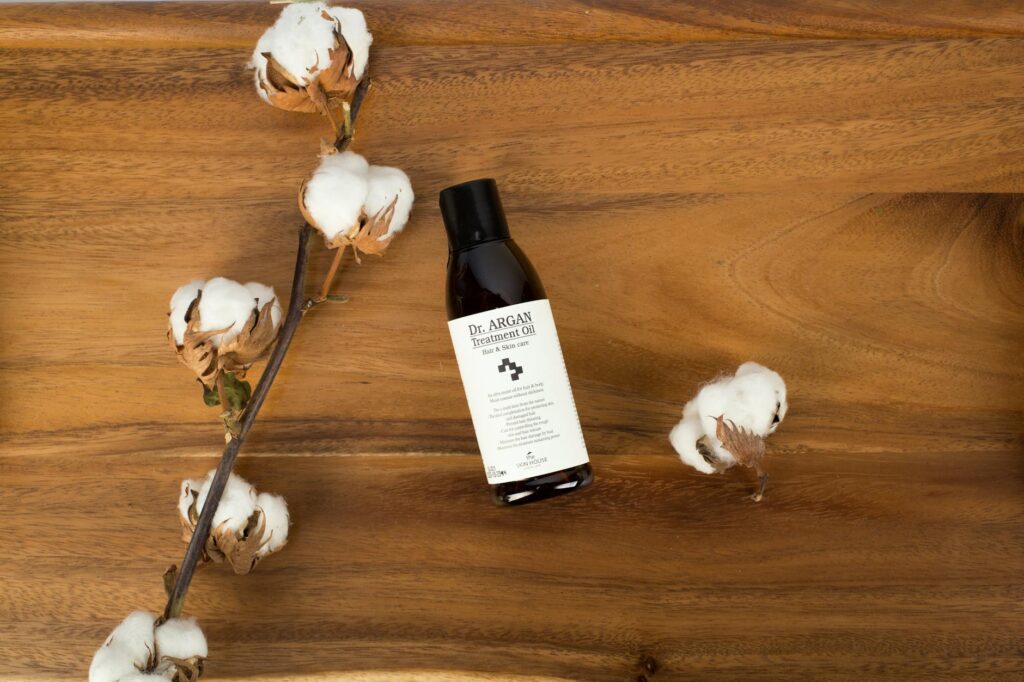
- Container: It is best to keep argan oil in a dark glass bottle, which protects it from light exposure. Plastic containers may not provide the same level of protection.
- Shelf Life: When stored correctly, argan oil can last for up to two years. Always check for any changes in smell or appearance, as these may indicate rancidity.
Safety Considerations
Argan oil is generally considered safe for topical use. However, individuals with nut allergies should exercise caution, as it is derived from a nut. It is always advisable to perform a patch test before using any new oil, especially for those with sensitive skin or allergies.
While argan oil is safe for most people, it is essential to use it in moderation. Overuse may lead to a greasy feeling on the skin or hair. For culinary applications, it should be noted that, like all oils, argan oil is calorie-dense and should be consumed in appropriate amounts.
Storage and Shelf Life
To maintain the quality and effectiveness of argan oil, proper storage is essential:
Frequently Asked Questions
1. Can I use argan oil on my face?
Yes, argan oil is often used as a facial moisturizer due to its hydrating properties. It is suitable for various skin types, including dry and sensitive skin.
2. Is argan oil suitable for all hair types?
Argan oil can benefit a wide range of hair types. It helps to hydrate and nourish hair, making it suitable for dry, frizzy, or damaged hair.
3. What is the difference between culinary and cosmetic argan oil?
Culinary argan oil is extracted from roasted nuts, imparting a rich flavor suitable for cooking. Cosmetic argan oil is derived from raw nuts and is used for skincare and hair care applications.
4. Can argan oil help with acne?
While argan oil has anti-inflammatory properties that may soothe irritated skin, it is essential to consult with a dermatologist for personalized acne treatment.
5. How can I incorporate argan oil into my daily routine?
Argan oil can be added to your skincare routine as a moisturizer, used in hair products for conditioning, or included in cooking for added flavor and nutrition.
Conclusion
The history and origins of argan oil reflect a deep connection to the land and culture of Morocco. Its myriad benefits and versatile applications have made it a beloved oil worldwide. Whether used in culinary dishes or as a staple in skincare routines, argan oil continues to be celebrated for its nourishing properties. By understanding its origins and uses, individuals can fully appreciate the value of this natural oil in their everyday lives.