
History and Origins of Aromatherapy Blends for Anxiety
Introduction
Aromatherapy, the practice of using essential oils derived from plants for therapeutic purposes, has a rich history that spans thousands of years. While the modern world has embraced aromatherapy as a holistic approach to wellness, its roots can be traced back to ancient civilizations. This article delves into the origins of aromatherapy blends for anxiety, exploring their historical context, key benefits, applications, and safety considerations.
What Is Aromatherapy Blends for Anxiety?
Aromatherapy blends for anxiety are specific combinations of essential oils formulated to promote relaxation, reduce stress, and alleviate feelings of anxiety. These blends often include oils known for their calming properties, such as lavender, chamomile, and bergamot. The practice is based on the principle that the inhalation or topical application of these oils can influence emotional and psychological well-being.
Essential oils are concentrated extracts obtained from various parts of plants, including flowers, leaves, stems, and roots. When blended thoughtfully, they can create synergistic effects that enhance their individual properties. The use of these oils for emotional well-being is not a new concept; it has been a part of various cultural traditions throughout history.
Key Benefits and Properties
The primary benefit of aromatherapy blends for anxiety lies in their potential to promote relaxation and emotional stability. Here are some key benefits and properties of commonly used essential oils in these blends:
1. Lavender (Lavandula angustifolia): Renowned for its calming effects, lavender oil is often used to reduce anxiety and improve sleep quality. Its floral aroma is believed to influence the limbic system, the part of the brain that regulates emotions.
2. Bergamot (Citrus bergamia): This citrus oil has uplifting properties that can help alleviate feelings of stress and anxiety. Its fresh, sweet scent is often used in blends to create a sense of balance.
3. Chamomile (Matricaria chamomilla): Known for its soothing and calming effects, chamomile oil can help ease feelings of tension and promote relaxation, making it a popular choice in anxiety blends.
4. Frankincense (Boswellia sacra): Often used in spiritual practices, frankincense oil is believed to promote a sense of grounding and tranquility, making it beneficial for those dealing with anxiety.
5. Ylang-Ylang (Cananga odorata): This exotic floral oil is known to help reduce stress and promote emotional balance. Its sweet scent can create a calming atmosphere.
Each essential oil in an anxiety blend contributes unique properties that can work together synergistically to enhance the overall calming effect.
Common Uses
Aromatherapy blends for anxiety can be used in various ways, depending on personal preferences and the desired effects. Common applications include:
1. Diffusion: Using an essential oil diffuser is one of the most popular methods to disperse aromatic molecules into the air. This method is effective for creating a calming environment in homes, offices, or during meditation.
2. Topical Application: Diluting essential oils with a carrier oil (such as jojoba or sweet almond oil) allows for safe application to the skin. This method is often used for localized relief or as part of a relaxing massage.
3. Inhalation: Direct inhalation of essential oils from the bottle or a cotton pad can provide immediate effects. This technique is particularly useful in stressful situations where quick relief is desired.
4. Bathing: Adding essential oils to baths can create a soothing experience. The combined effects of warm water and aromatic oils can help alleviate tension and promote relaxation.
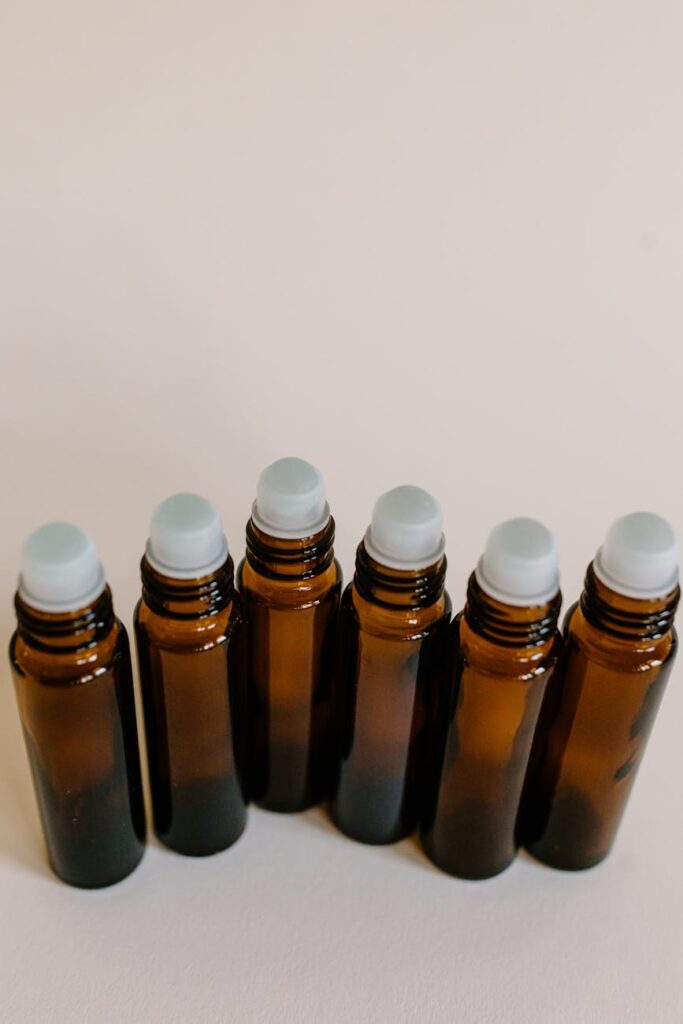
5. Personal Inhalers: Portable inhalers filled with essential oil blends can be carried for on-the-go relaxation. They offer a convenient way to access calming aromas in stressful environments.
Aromatherapy Applications
The applications of aromatherapy blends for anxiety extend beyond personal use. These blends can be integrated into various settings, including:
- Therapeutic Practices: Aromatherapy is often used by practitioners such as massage therapists, psychologists, and holistic health professionals to support clients dealing with anxiety-related issues.
- Work Environments: Incorporating calming scents in workspaces can help reduce stress and enhance productivity. Diffusers or personal inhalers can be beneficial in corporate settings.
- Educational and Community Settings: Workshops or classes on aromatherapy can introduce individuals to the benefits of essential oils for anxiety relief, fostering a sense of awareness about holistic health.
- Home Care: Families can create a calming atmosphere at home using aromatherapy blends, especially during stressful times or family gatherings.
Safety Considerations
While aromatherapy can be a beneficial practice, it is essential to be aware of safety considerations:
1. Dilution: Essential oils should be diluted with a carrier oil before topical application to avoid skin irritation. A common dilution ratio is 2-3 drops of essential oil per teaspoon of carrier oil.
2. Allergy Testing: Individuals should perform a patch test to check for any allergic reactions before using a new essential oil.
3. Pregnancy and Nursing: Certain essential oils may not be safe for use during pregnancy or breastfeeding. It is advisable to consult a healthcare professional before use.
4. Pre-existing Conditions: Individuals with certain health conditions or those taking medication should consult a qualified practitioner before using essential oils, as interactions may occur.
5. Quality of Oils: It is crucial to source high-quality, pure essential oils from reputable suppliers to ensure safety and efficacy. Adulterated or synthetic oils may not provide the desired effects and could potentially cause adverse reactions.
Storage and Shelf Life
Proper storage of essential oils is vital for maintaining their potency and efficacy. Here are some guidelines:
1. Cool, Dark Place: Essential oils should be stored in a cool, dark place away from direct sunlight. This helps prevent degradation and preserves their aromatic properties.
2. Tightly Sealed Containers: Ensure that bottles are tightly sealed to prevent oxidation and evaporation of the oils.
3. Shelf Life: The shelf life of essential oils can vary depending on the type. Generally, citrus oils may have a shorter shelf life (1-2 years), while oils like sandalwood and patchouli can last for several years if stored properly.
Frequently Asked Questions
1. Can aromatherapy blends for anxiety replace therapy or medication?
While aromatherapy can be a helpful complementary practice for stress and anxiety, it should not replace professional therapy or prescribed medication. Individuals experiencing severe anxiety or mental health issues should seek guidance from qualified professionals.
2. Are there any essential oils that should be avoided for anxiety?
Certain essential oils may not be suitable for everyone, especially those with specific health conditions. Oils such as rosemary and sage can be stimulating and may not be ideal for anxiety relief. It’s essential to research and select oils that align with individual needs.
3. How long does it take to feel the effects of aromatherapy for anxiety?
The effects of aromatherapy can vary from person to person. Some individuals may experience immediate relief, while others might notice benefits over time with regular use. Personal preferences and the method of application can also influence the experience.
4. Can I create my own blends for anxiety?
Absolutely! Creating personalized blends allows individuals to tailor their aromatherapy experience. It’s essential to research the properties of different oils and experiment with combinations to find what works best.
5. Is it safe to use essential oils around pets?
Some essential oils can be harmful to pets, especially cats and dogs. It is crucial to research which oils are safe and to use them with caution. Always consult a veterinarian if uncertain.
Conclusion
The history and origins of aromatherapy blends for anxiety reveal a fascinating interplay between nature and human well-being. As modern society continues to navigate the complexities of daily life, these ancient practices provide valuable tools for promoting emotional balance and relaxation. By understanding the benefits, applications, and safety considerations, individuals can harness the power of essential oils to support their mental and emotional health.