
History and Origins of Aromatherapy Blends for Clarity
Introduction
Aromatherapy, an ancient practice that harnesses the power of essential oils derived from plants, has gained worldwide popularity in recent decades. Among the myriad of uses for essential oils, blends designed for clarity have emerged as particularly sought after. This article delves into the history and origins of these blends, exploring their composition, benefits, common applications, and safety considerations.
What Is Aromatherapy Blends for Clarity?
Aromatherapy blends for clarity typically combine essential oils known for their uplifting and mental-stimulating properties. These blends aim to enhance focus, reduce mental fatigue, and promote a sense of mental clarity. Common essential oils used in these blends include peppermint, lemon, rosemary, and basil, known for their invigorating scents and cognitive-enhancing effects.
Historical Context
The concept of using aromatic plants for therapeutic purposes dates back thousands of years. Ancient civilizations, such as the Egyptians and Greeks, utilized essential oils in religious rituals, cosmetics, and medicine. The practice of aromatherapy can be traced to ancient texts, including the Ebers Papyrus (circa 1550 BCE) and writings by Hippocrates, who emphasized the importance of fragrance in wellness.
The modern understanding of aromatherapy began in the early 20th century, largely attributed to French chemist René-Maurice Gattefossé, who coined the term “aromatherapy” in 1937. He discovered the healing properties of lavender oil after accidentally burning himself and applying it to his wound. This incident sparked interest in the therapeutic potential of essential oils, leading to further research and development of various blends, including those aimed at enhancing mental clarity.
Key Benefits and Properties
Aromatherapy blends for clarity offer several benefits that can positively influence mental performance and emotional well-being.
Cognitive Enhancement
Certain essential oils, such as rosemary and peppermint, have been shown to enhance cognitive function. Research suggests that these oils may improve memory retention and alertness, lending support to the use of these blends during study sessions or demanding tasks.
Stress Relief
The combination of uplifting scents can help alleviate stress and anxiety, providing mental clarity. Citrus oils like lemon and orange are particularly effective in boosting mood and reducing feelings of tension.
Increased Focus
Blends designed for clarity often include oils that stimulate the mind and foster concentration. The invigorating aroma of peppermint, for example, is known to sharpen focus and promote alertness, making it a popular choice for students and professionals alike.
Emotional Balance
The olfactory system is closely linked to the limbic system, which governs emotions. Aromatherapy blends can facilitate emotional balance by promoting feelings of calmness and clarity, making it easier to approach tasks with a clear mind.
Common Uses
Aromatherapy blends for clarity are versatile and can be used in various settings. Some common uses include:
Inhalation
Inhaling essential oils is one of the simplest ways to experience their benefits. Using a diffuser or simply inhaling directly from the bottle can provide immediate mental clarity.
Topical Application
Blends can be diluted in carrier oils such as jojoba or coconut oil and applied to pulse points, like wrists or temples. This method allows for both the aromatic benefits and potential skin absorption.
Bathing
Adding a few drops of clarity blends to a warm bath can create an invigorating and relaxing experience, stimulating both the mind and body.
Room Freshener
Incorporating these blends into home cleaning or air freshening products can enhance the overall environment, promoting mental clarity and well-being.
Aromatherapy Applications
The application of aromatherapy blends for clarity can be tailored to individual preferences and lifestyles. Here are some recommended methods:
Diffusers
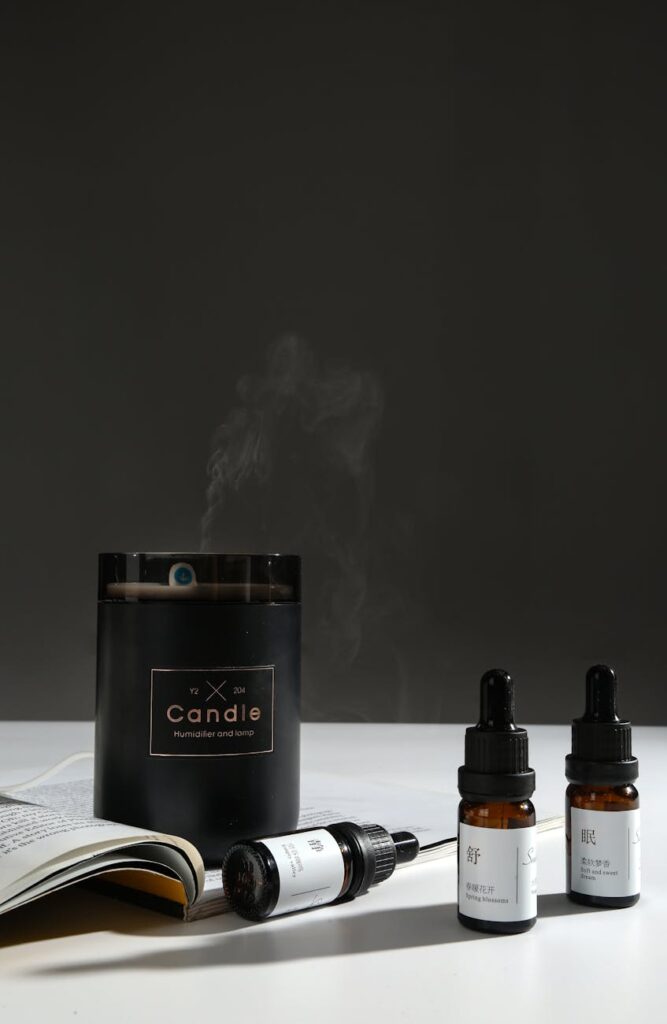
Using a diffuser allows for the even distribution of essential oils throughout a room. This method is especially effective in shared spaces, such as offices or classrooms, where a clear mindset is needed.
Personal Inhalers
Personal inhalers can be filled with clarity blends for on-the-go use. These portable devices allow individuals to access their preferred scents whenever needed, making them ideal for busy lifestyles.
Roll-Ons
Pre-diluted roll-ons offer a convenient way to apply essential oils directly to the skin. These blends can be easily carried in a purse or backpack for quick access during times of mental fatigue.
Safety Considerations
While aromatherapy can be beneficial, it is essential to practice caution when using essential oils. Some safety considerations include:
Dilution
Essential oils are highly concentrated and should be diluted in a carrier oil before topical application to avoid skin irritation. A general guideline is to use a dilution of 1-3% for adults, depending on the specific oil.
Allergies and Sensitivities
Individuals should conduct a patch test before using a new essential oil or blend to check for potential allergic reactions. If irritation occurs, discontinue use immediately.
Consultation
While aromatherapy is generally safe, those with specific health conditions, pregnant individuals, or those nursing should consult with a qualified professional before using essential oils.
Quality of Oils
Not all essential oils are created equal. It is crucial to source high-quality oils from reputable suppliers to ensure purity and efficacy.
Storage and Shelf Life
Proper storage is vital for maintaining the potency of essential oils. Here are some guidelines:
Storage Conditions
Essential oils should be stored in a cool, dark place away from direct sunlight. Amber or cobalt glass bottles are ideal for preserving the integrity of the oils.
Shelf Life
The shelf life of essential oils varies by type. Citrus oils tend to have a shorter shelf life (about 1-2 years), while oils like patchouli or sandalwood can last much longer (up to 5-10 years). Regularly check oils for any changes in smell, color, or viscosity, which may indicate that they have gone bad.
Frequently Asked Questions
Can I create my own clarity blend?
Yes, creating a custom blend can be an enjoyable experience. Start with a base oil and add your preferred essential oils known for clarity, adjusting proportions to suit your personal preference.
Are there any contraindications for using aromatherapy blends?
While aromatherapy is generally safe, some essential oils may not be suitable for certain individuals, particularly pregnant women, young children, or those with specific medical conditions. Always consult a professional if you are unsure.
How often can I use clarity blends?
The frequency of use can vary depending on personal preference and individual response. Many people find that using these blends several times a day enhances their mental clarity and focus.
Are essential oils safe to use around pets?
Many essential oils can be harmful to pets, particularly cats and dogs. It is advisable to use essential oils in well-ventilated areas and to consult a veterinarian regarding the safety of specific oils.
Conclusion
Aromatherapy blends for clarity offer a rich tapestry of historical significance and modern-day application. By understanding their origins and benefits, individuals can harness the power of essential oils to enhance mental clarity and emotional balance. As with any holistic practice, awareness of safety considerations and personal preferences is key to a positive aromatherapy experience. Whether used in a personal setting or shared with others, these blends continue to be a vital component of wellness practices around the globe.