
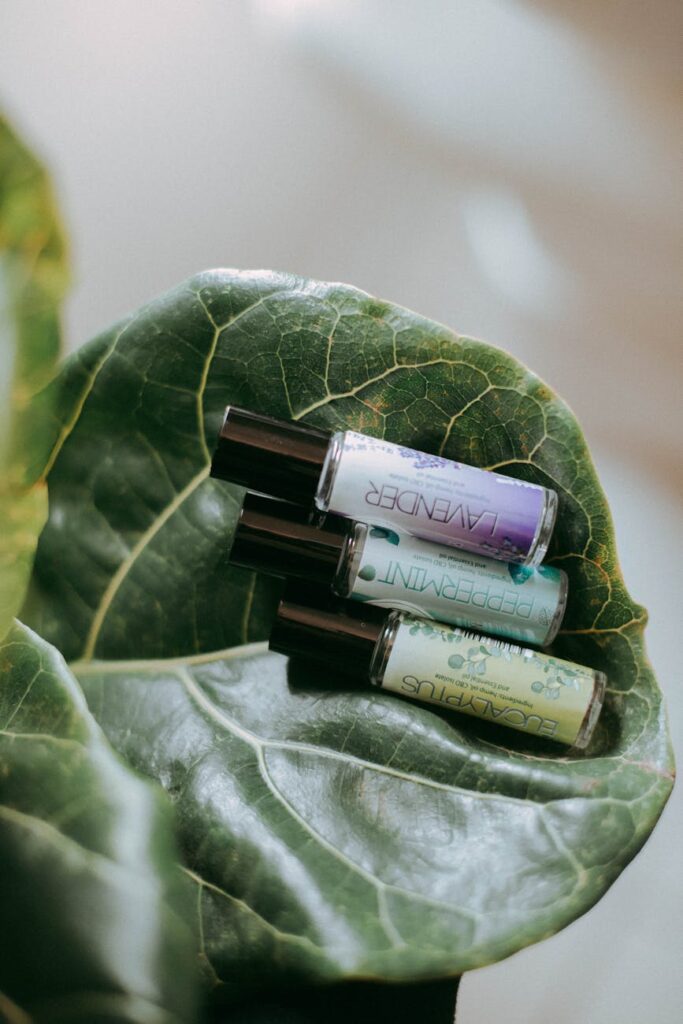
History and Origins of Aromatherapy Blends for Creativity
Introduction
Aromatherapy blends for creativity have a rich and diverse history, deeply rooted in ancient practices that harness the power of essential oils. Over the centuries, various cultures have employed aromatic substances for their enhancing effects on mood, mental clarity, and overall well-being. This article delves into the fascinating origins of these blends, exploring their significance, properties, and practical applications in enhancing creativity.
What Is Aromatherapy Blends for Creativity?
Aromatherapy blends for creativity are combinations of essential oils specifically selected for their ability to inspire, invigorate, and stimulate the mind. These blends can include a variety of botanical extracts derived from flowers, leaves, roots, and resins. When inhaled or absorbed through the skin, the compounds in essential oils can influence emotional and cognitive states, making them a valuable tool for artists, writers, and anyone seeking to boost their creative output.
Historically, the practice of blending specific essential oils tailored for creativity can be traced back to ancient civilizations. The Egyptians, Greeks, and Romans all utilized aromatic substances not only for their fragrance but also for their potential to enhance mental clarity and emotional balance.
Key Benefits and Properties
The benefits of aromatherapy blends for creativity are multifaceted, encompassing both emotional and psychological aspects. Some of the most notable properties associated with these blends include:
1. Mood Enhancement: Certain essential oils, such as bergamot and sweet orange, are renowned for their uplifting qualities, which can help alleviate feelings of stress and anxiety often associated with creative blocks.
2. Mental Clarity: Oils like rosemary and peppermint are believed to enhance focus and cognitive function, making them ideal companions for brainstorming sessions and creative endeavors.
3. Inspiration and Motivation: Scents such as frankincense and sandalwood are often linked to heightened states of awareness and introspection, providing the mental space needed for innovative thinking.
4. Relaxation: Balancing the stimulating qualities of creativity, oils like lavender and chamomile can promote relaxation, ensuring that the mind is free from tension, thereby fostering a more conducive environment for inspiration.
5. Emotional Balance: Essential oils like ylang-ylang and geranium can help regulate emotions, creating a harmonious internal state that supports the creative process.
Common Uses
Aromatherapy blends for creativity can be employed in various settings and situations. Here are some common applications:
- Creative Workspaces: Diffusing specific essential oil blends in workspaces can help create a stimulating atmosphere conducive to creativity. Many artists and writers find that having their favorite scents nearby enhances their overall experience.
- Meditation and Mindfulness: Incorporating aromatherapy into meditation practices can deepen the experience, allowing for greater introspection and creativity. Certain blends can enhance visualization and inspire new ideas during meditative states.
- Artistic Activities: Visual artists may use specific blends to evoke emotions or stimulate ideas before starting a project. Similarly, musicians may employ particular scents to enhance their creative flow while composing.
- Journaling and Brainstorming: Engaging in writing or brainstorming sessions while surrounded by specific aromas can create an atmosphere of inspiration and focus.
- Patch Testing: When applying essential oils topically, always conduct a patch test to check for potential allergic reactions. Diluting essential oils in a carrier oil helps minimize the risk of irritation.
- Pregnancy and Health Conditions: Certain essential oils may not be suitable for pregnant individuals or those with specific health conditions. It is advisable to consult with a qualified expert before using any new essential oil.
- Quality of Essential Oils: Ensure that the essential oils used are of high quality, preferably organic and free from synthetic additives. This ensures that you are receiving the full therapeutic benefits.
- Ventilation: When using diffusers, ensure that the area is well-ventilated. Overexposure to certain essential oils can lead to headaches or other discomfort.
- Dark Glass Containers: Store essential oils in dark glass bottles to protect them from light, which can degrade their quality over time.
- Cool, Dry Place: Keep essential oils in a cool, dry place away from direct sunlight and heat sources. Extreme temperatures can alter the chemical composition of the oils.
- Shelf Life: Most essential oils have a shelf life of 1 to 3 years, though some, like citrus oils, may have a shorter lifespan. Always check for any changes in scent or consistency before use.
Aromatherapy Applications
There are several methods for applying aromatherapy blends for creativity, each suited to different preferences and situations:
1. Diffusion: Using an essential oil diffuser is one of the most popular methods. This technique disperses the aromatic compounds into the air, allowing for easy inhalation. A few drops of a creativity-enhancing blend can transform a space into an inspiring haven.
2. Topical Application: Diluting essential oils in a carrier oil and applying them to pulse points (such as wrists or temples) can provide a more intimate and personal experience. Always ensure proper dilution to prevent skin irritation.
3. Inhalation: Simply inhaling the scent directly from the bottle or using a personal inhaler can provide immediate benefits. This method is particularly useful for quick bursts of inspiration or focus.
4. Baths and Showers: Adding a few drops of essential oils to bathwater or using them in shower gels can create a sensory experience that promotes relaxation and creativity.
5. Crafting: For those who enjoy DIY projects, creating personalized aroma sprays or candles can be a rewarding way to engage with essential oils while tailoring scents to individual preferences.
Safety Considerations
While aromatherapy can be a valuable tool for enhancing creativity, it is essential to approach its use with caution:
Storage and Shelf Life
Proper storage of essential oils is crucial to maintain their potency and effectiveness. Here are some guidelines:
Frequently Asked Questions
What are the best essential oils for creativity?
Commonly used essential oils for creativity include rosemary, peppermint, bergamot, and frankincense. Each offers unique properties that can enhance mental clarity, inspiration, and emotional balance.
How can I create my own creativity blend?
Begin by selecting a few essential oils that resonate with your creative intentions. Combine them in a carrier oil or use a diffuser to experiment with different ratios until you find a blend that inspires you.
Are there any contraindications for using essential oils?
Certain essential oils may have contraindications for specific individuals, such as pregnant women or those with certain health conditions. Always research or consult with a knowledgeable source before using new oils.
Can aromatherapy replace traditional creative practices?
Aromatherapy should be viewed as a complementary tool rather than a replacement for traditional creative practices. It can enhance the creative process, but it is essential to engage in activities that inspire you personally.
How can I incorporate aromatherapy into my daily routine?
Incorporate aromatherapy by diffusing essential oils during creative work, using them in personal care routines, or even creating a calming atmosphere during mindfulness practices.
Conclusion
The history and origins of aromatherapy blends for creativity are steeped in tradition and cultural significance. By understanding the properties and applications of these blends, individuals can harness the power of essential oils to foster creativity, enhance emotional well-being, and create environments that inspire innovation. As you explore the world of aromatherapy, remember to approach it with mindfulness, respect, and a sense of curiosity, allowing the scents to guide your creative journey.