
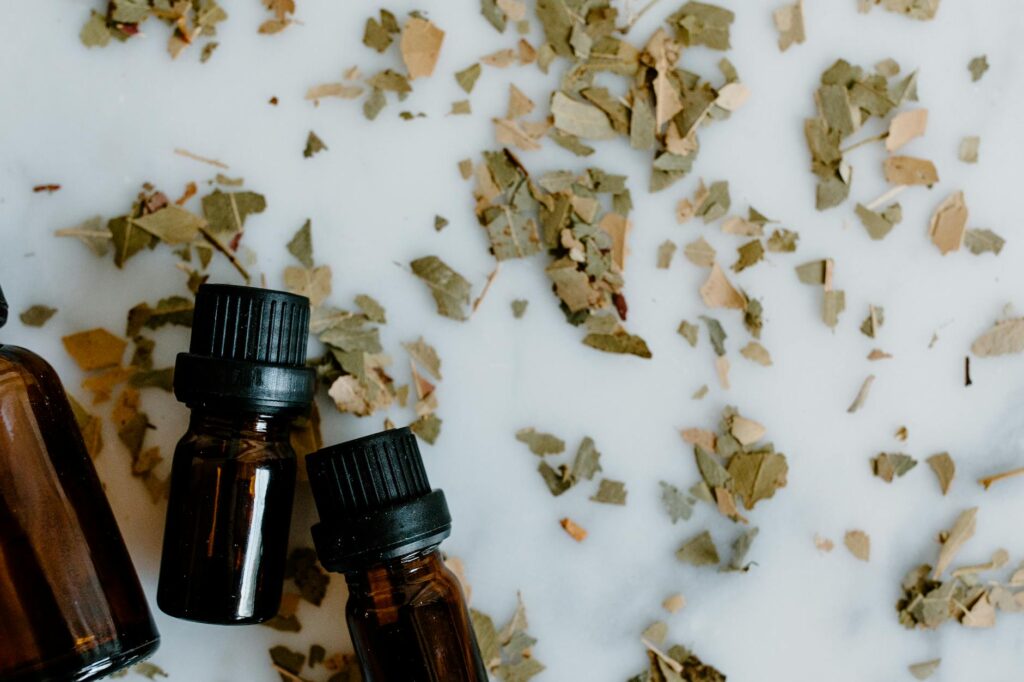
History and Origins of Aromatherapy Blends for Enhanced Respiratory Function
Introduction
Aromatherapy, the practice of using essential oils extracted from plants for therapeutic purposes, has ancient roots that span various cultures and civilizations. Among its many applications, the enhancement of respiratory function is particularly significant, as breathing is essential to life. This article explores the history and origins of aromatherapy blends specifically formulated to support respiratory health, tracing their development through historical practices and cultural traditions.
What Is Aromatherapy Blends for Enhanced Respiratory Function?
Aromatherapy blends for enhanced respiratory function involve the combination of essential oils known for their beneficial properties on the respiratory system. These blends can include oils such as eucalyptus, peppermint, tea tree, and lavender, among others. The inhalation of these oils can provide a range of benefits, including the alleviation of respiratory discomfort, support in clearing airways, and promotion of relaxation.
The effectiveness of these blends lies in the unique chemical compositions of essential oils, which can vary widely. Each essential oil possesses distinct properties that contribute to its therapeutic effects. For instance, eucalyptus oil is often recognized for its ability to promote clear breathing, while peppermint oil is known for its cooling and soothing properties.
Key Benefits and Properties
Aromatherapy blends targeting respiratory function offer several potential benefits:
1. Decongestion: Certain essential oils have decongestant properties that can help in reducing mucus buildup and promoting easier breathing. Eucalyptus and peppermint oils are often included for this reason.
2. Anti-inflammatory Effects: Many essential oils exhibit anti-inflammatory properties that can soothe irritation in the respiratory tract. Oils like tea tree and frankincense can be beneficial in this regard.
3. Antimicrobial Properties: Essential oils such as tea tree and oregano are known for their antimicrobial effects, potentially helping to combat respiratory infections.
4. Relaxation and Stress Relief: Stress can exacerbate respiratory issues. Oils like lavender and chamomile are included in blends for their relaxing effects, which can aid in reducing anxiety and promoting deeper breathing.
5. Support for Allergies and Seasonal Changes: Certain blends can help alleviate symptoms associated with allergies and seasonal changes, providing comfort during times of heightened sensitivity.
Common Uses
Aromatherapy blends for respiratory function can be applied in various ways, making them versatile tools for enhancing overall well-being. Some common uses include:
- Diffusion: Adding a few drops of a respiratory blend to an essential oil diffuser allows for the dispersal of aromatic molecules throughout a space, promoting inhalation.
- Inhalation: Direct inhalation of essential oils can provide immediate benefits. This can be done by placing a few drops on a tissue or in the palm of the hand and inhaling deeply.
- Topical Application: Blends can be diluted in a carrier oil and applied to the chest, back, or throat. This method allows for localized benefits, as the oils can penetrate the skin and affect the respiratory system directly.
- Baths: Adding essential oils to a bath can create a relaxing environment while allowing the user to inhale the steam laden with beneficial aroma.
- Dilution: Essential oils are potent and should be diluted in a carrier oil before topical application to prevent skin irritation.
- Quality of Oils: Always choose high-quality essential oils from reputable sources. Poor-quality oils may contain impurities that can be harmful.
- Allergic Reactions: Perform a patch test on a small area of skin before using a new oil to check for potential allergic reactions.
- Consultation: Individuals with pre-existing health conditions, pregnant women, or those taking medications should consult with a qualified professional before using essential oils.
- Avoiding Ingestion: Essential oils should not be ingested unless under the guidance of a qualified aromatherapist.
- Cool, Dark Environment: Essential oils should be stored in a cool, dark place away from direct sunlight. Heat and light can degrade the quality of the oils over time.
- Airtight Containers: Use dark glass bottles to store essential oils. These containers protect the oils from light and air exposure, extending their shelf life.
- Shelf Life: The shelf life of essential oils varies based on the type. Generally, most oils can last from 1 to 3 years if stored properly. Citrus oils may have a shorter shelf life, while oils like patchouli and cedarwood can improve with age.
Aromatherapy Applications
The applications of aromatherapy for respiratory function can vary depending on individual needs and preferences. Here are some popular methods:
1. Steam Inhalation
A simple yet effective method involves adding essential oils to a bowl of hot water, covering the head with a towel, and inhaling the steam. This technique can provide immediate respiratory relief.
2. Massage
Blending essential oils with a carrier oil for massage can offer additional benefits. A gentle massage over the chest and back can aid in relaxation and promote respiratory ease.
3. Personal Inhalers
Personal inhalers filled with essential oil blends are convenient for on-the-go use. Users can carry them in their bags and inhale the blend whenever they need respiratory support.
4. Room Sprays
Creating a room spray with essential oils can enhance the atmosphere of a space, particularly during allergy season or when respiratory discomfort is prevalent.
Safety Considerations
While aromatherapy blends can be beneficial, it is essential to consider safety guidelines to ensure a positive experience:
Storage and Shelf Life
Proper storage of essential oils is crucial for maintaining their potency and effectiveness. Here are some guidelines:
Frequently Asked Questions
1. Can essential oils cure respiratory issues?
While essential oils can support respiratory function, they are not a cure for medical conditions. It is vital to seek professional medical advice for any serious respiratory issues.
2. How do I choose the right blend for respiratory support?
Selecting a blend depends on personal preferences and specific needs. Researching the properties of individual oils can help in creating a blend that resonates with your goals.
3. Is it safe to use essential oils around children and pets?
Some essential oils are safe for use around children and pets, while others may not be. It is essential to research and consult with a professional before using essential oils in these situations.
4. Can I mix different essential oils?
Mixing different essential oils is common in aromatherapy. However, it is important to understand the properties of each oil to create a balanced and effective blend.
5. How often can I use aromatherapy blends?
The frequency of use can vary based on individual tolerance and needs. It is advisable to start with small amounts and gradually increase usage as desired.
Conclusion
The history and origins of aromatherapy blends for enhanced respiratory function reflect a rich tapestry of cultural beliefs and practices. As modern interest in natural remedies continues to grow, understanding the benefits, applications, and safety considerations of essential oils can empower individuals to incorporate these blends into their wellness routines. While aromatherapy offers a complementary approach to respiratory health, it is essential to respect its limitations and consult with healthcare professionals for serious concerns. By bridging traditional knowledge with contemporary practices, aromatherapy remains a valuable resource for enhancing quality of life and promoting well-being.