
History and Origins of Aromatherapy Blends for Focus and Concentration
Introduction
Aromatherapy, the practice of using essential oils to promote physical and psychological well-being, has a rich history that spans thousands of years. Among its many applications, the use of specific blends to enhance focus and concentration has gained prominence in modern wellness practices. This article delves into the historical origins of aromatherapy, particularly focusing on blends designed to improve cognitive function, as well as their benefits, common uses, applications, and safety considerations.
What Is Aromatherapy Blends for Focus and Concentration?
Aromatherapy blends for focus and concentration typically consist of essential oils that are believed to stimulate mental clarity, enhance alertness, and reduce mental fatigue. These blends often incorporate oils such as peppermint, rosemary, lemon, and eucalyptus, each with its own unique properties that contribute to an overall sense of focus. The practice of combining these oils into synergistic blends is rooted in both traditional and modern aromatherapy.
Key Benefits and Properties
The primary benefits of aromatherapy blends for focus and concentration include:
1. Enhanced Cognitive Function: Some essential oils are thought to increase blood flow to the brain, thereby enhancing cognitive functions such as memory, alertness, and clarity.
2. Reduced Stress and Anxiety: Many essential oils possess calming properties that can help reduce anxiety, allowing for improved concentration and focus.
3. Increased Energy Levels: Certain oils, especially citrus and mint varieties, are known for their invigorating effects, helping to combat fatigue and lethargy.
4. Mood Elevation: Aromatherapy can positively influence mood, which in turn can enhance motivation and productivity.
5. Improved Sleep Quality: While not directly related to focus during waking hours, better sleep quality can lead to improved cognitive performance throughout the day.
Properties of Common Ingredients
- Peppermint: Known for its refreshing and invigorating scent, peppermint oil is often used to promote alertness and mental clarity.
- Rosemary: Traditionally associated with memory enhancement, rosemary oil is believed to stimulate cognitive activity.
- Lemon: The bright, uplifting aroma of lemon is thought to enhance mood and energy levels.
- Eucalyptus: Often employed for its refreshing scent, eucalyptus can help clear the mind and promote focus.
- Educational Institutions: Students may use these blends to create a conducive learning environment during study sessions or examinations.
- Workplaces: Employees often utilize these oils to enhance productivity and maintain mental clarity during long hours of work.
- Meditation and Mindfulness Practices: Many individuals incorporate these blends into their meditation routines to foster a focused and calm state of mind.
- Creative Spaces: Artists and writers may use these blends to stimulate creativity and maintain concentration during their work.
Common Uses
Aromatherapy blends for focus and concentration are employed in various settings, including:
Aromatherapy Applications
The application of aromatherapy blends can vary based on personal preferences and available resources. Some common methods include:
Diffusion
Using an essential oil diffuser is one of the most popular methods for dispersing the aroma of essential oils throughout a room. This method allows for prolonged exposure to the fragrance, making it suitable for extended study or work sessions.
Inhalation
Inhaling essential oils directly from the bottle or through a personal inhaler can provide immediate effects. This method is particularly useful for quick boosts of focus during moments of fatigue.
Topical Application
Diluting essential oils in a carrier oil and applying them to pulse points or the back of the neck can create a personal aromatic experience. This method allows for the benefits of essential oils to be absorbed through the skin.
Bath and Shower
Incorporating essential oils into bathwater or using them in shower products can provide a relaxing and invigorating experience that sets a positive tone for focus and concentration.
Safety Considerations
While aromatherapy is generally regarded as safe when practiced correctly, it is vital to consider the following safety measures:
1. Dilution: Essential oils should be diluted with a carrier oil before topical application to prevent skin irritation.
2. Allergic Reactions: Conduct a patch test to check for any allergic reactions before using a new essential oil.
3. Pregnancy and Medical Conditions: Pregnant individuals or those with specific medical conditions should consult a qualified professional before using essential oils.
4. Quality of Essential Oils: Use high-quality, pure essential oils from reputable sources to ensure safety and efficacy.
5. Ventilation: Ensure adequate ventilation when using essential oils in diffusers to avoid overwhelming scents.
Storage and Shelf Life
Proper storage of essential oils is crucial for maintaining their potency and aroma. Essential oils should be stored in a cool, dark place away from direct sunlight and heat sources. Glass containers are preferred, as plastic can degrade over time when exposed to essential oils.
Shelf Life
The shelf life of essential oils varies depending on the type of oil. Generally, citrus oils have a shorter shelf life (1 to 2 years) compared to oils like lavender or patchouli, which can last for several years if stored properly. Regularly check for changes in scent or consistency, as these can be indicators of degradation.
Frequently Asked Questions
Can I create my own aromatherapy blend for focus and concentration?
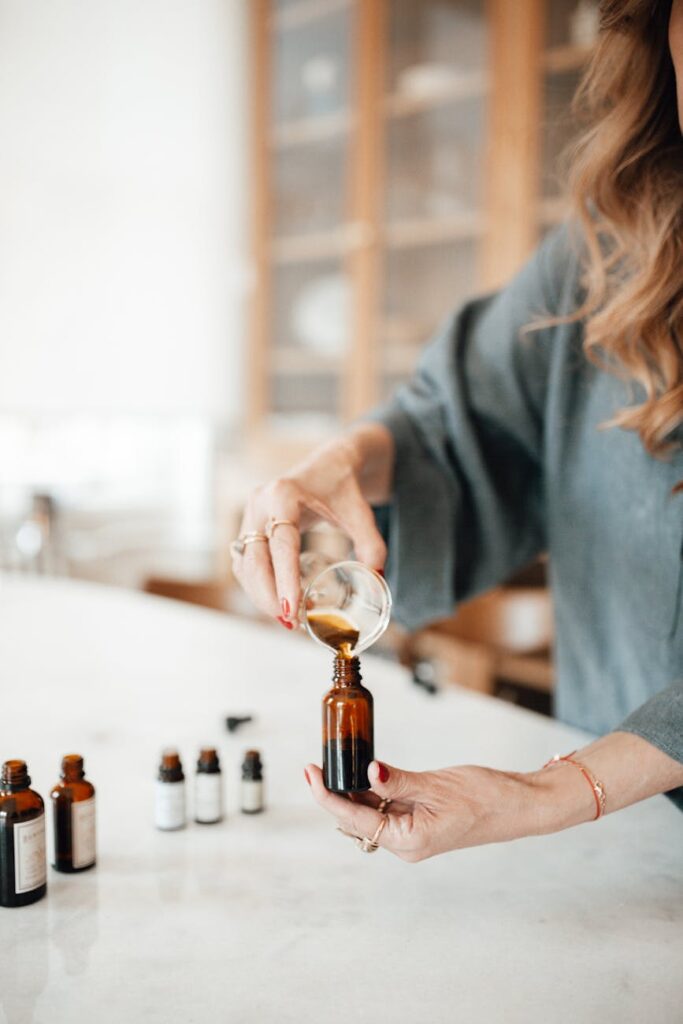
Yes, you can create personalized blends by combining essential oils that you find uplifting and clarifying. Start with a base oil (such as sweet almond or jojoba) and add a few drops of your chosen essential oils.
How often should I use aromatherapy blends for focus?
The frequency of use can vary based on individual preference and needs. Many people find that using these blends during study or work sessions enhances their focus, while others may use them throughout the day.
Are there any essential oils to avoid?
Certain essential oils may not be suitable for everyone, particularly those with specific medical conditions or sensitivities. Always conduct thorough research and consult a qualified professional if in doubt.
Can aromatherapy replace other methods of enhancing focus?
While aromatherapy can be a valuable tool for enhancing focus, it is often most effective when used in conjunction with other methods such as proper time management, a healthy lifestyle, and adequate sleep.
How can I find high-quality essential oils?
Look for reputable suppliers that provide third-party testing results and clear labeling. Essential oils should be labeled as 100% pure, and it is advisable to research the sourcing and extraction processes used.
Conclusion
The history and origins of aromatherapy blends for focus and concentration reveal a fascinating intersection of ancient wisdom and modern applications. As interest in holistic wellness continues to grow, these blends serve as a valuable resource for individuals seeking to enhance their cognitive function and overall well-being. By understanding the properties, benefits, and proper usage of these essential oils, one can harness their potential to foster an environment conducive to focus and concentration.