
History and Origins of Aromatherapy Blends for Hormonal Support
Introduction
Aromatherapy, a holistic practice that employs the use of essential oils derived from plants, has roots that stretch back thousands of years. Among its many applications, the use of aromatherapy blends for hormonal support has gained popularity in recent decades. This article delves into the historical context, key benefits, applications, and safety considerations of aromatherapy blends designed to support hormonal balance.
What Is Aromatherapy Blends for Hormonal Support?
Aromatherapy blends for hormonal support consist of carefully selected essential oils that are believed to influence hormonal balance and promote emotional well-being. These blends often target conditions related to hormonal fluctuations, such as premenstrual syndrome (PMS), menopause, and overall mood regulation. The essential oils used in these blends are typically derived from flowers, leaves, bark, and roots of various plants, each possessing unique chemical properties and therapeutic potentials.
Key Benefits and Properties
The potential benefits of aromatherapy blends for hormonal support can be attributed to the unique properties of the essential oils used. Here are some commonly used essential oils and their associated benefits:
1. Clary Sage
Clary sage essential oil is often regarded as a key oil for hormonal balance. It is believed to have estrogen-like properties, which may help alleviate symptoms associated with menstrual cycles and menopause.
2. Geranium
Geranium essential oil is known for its uplifting and balancing effects. It is often used to help regulate emotions and may assist in reducing anxiety and stress, which can impact hormonal balance.
3. Lavender
Renowned for its calming properties, lavender essential oil can promote relaxation and reduce stress. Stress management is essential for hormonal balance, as stress can lead to hormonal imbalances.
4. Fennel
Fennel essential oil has been traditionally used to support digestive health and hormonal balance. It is often included in blends aimed at alleviating symptoms of PMS and menopause.
5. Ylang Ylang
This exotic floral oil is celebrated for its ability to enhance mood and promote emotional well-being. It is also believed to have properties that can help regulate hormones.
6. Bergamot
Bergamot essential oil, derived from the peel of the bergamot orange, is known for its uplifting aroma. It is often used to reduce anxiety and promote feelings of happiness, indirectly supporting hormonal health.
The synergistic effects of these oils in a well-crafted blend can provide a holistic approach to hormonal support, addressing both physical and emotional aspects.
Common Uses
Aromatherapy blends for hormonal support can be integrated into daily life in various ways:
1. Diffusion
Using a diffuser to disperse essential oils into the air is one of the most popular methods. This not only fills a space with pleasant aromas but also allows for inhalation, which can promote relaxation and emotional balance.
2. Topical Application
Diluting essential oils in a carrier oil and applying them to pulse points, such as wrists and neck, or massaging them into areas associated with discomfort, is another common practice. The skin absorbs the oils, allowing for localized effects.
3. Bathing
Adding a few drops of essential oils to a warm bath can create a soothing environment that promotes relaxation and stress relief. This method can be particularly beneficial during times of hormonal fluctuation.
4. Inhalation
Direct inhalation from the bottle or using a cotton ball can provide immediate benefits, helping to stabilize mood and alleviate stress.
Aromatherapy Applications
Creating an effective aromatherapy blend for hormonal support usually involves combining different essential oils based on their properties. Here are some popular blends and their applications:
1. Balance Blend
- Ingredients: Clary Sage, Geranium, and Lavender
- Application: Diffuse daily to promote emotional balance and relieve PMS symptoms.
- Ingredients: Lavender, Bergamot, and Ylang Ylang
- Application: Use in a bath or as a topical blend for relaxation during stressful times.
- Ingredients: Bergamot, Geranium, and Fennel
- Application: Inhale directly or diffuse to enhance mood and alleviate anxiety.
- Ingredients: Clary Sage, Fennel, and Ylang Ylang
- Application: Apply topically to areas of discomfort or diffuse to create a calming atmosphere.
2. Calming Blend
3. Uplifting Blend
4. Menopause Support Blend
Safety Considerations
While essential oils are generally considered safe for use, it is essential to follow guidelines to ensure safety:
1. Dilution
Essential oils are highly concentrated substances and should be diluted in a carrier oil before topical application to prevent skin irritation.
2. Patch Test
Conducting a patch test on a small area of skin before full application can help determine if there is a sensitivity or allergic reaction.
3. Consultation
Individuals who are pregnant, nursing, or have pre-existing health conditions should consult with a qualified professional before using essential oils.
4. Quality of Oils
Choosing high-quality, pure essential oils from reputable sources is crucial. Adulterated or synthetic oils may not provide the desired benefits and could even be harmful.
Storage and Shelf Life
Proper storage of essential oils can extend their shelf life and maintain their potency. Here are some tips:
1. Dark Glass Containers
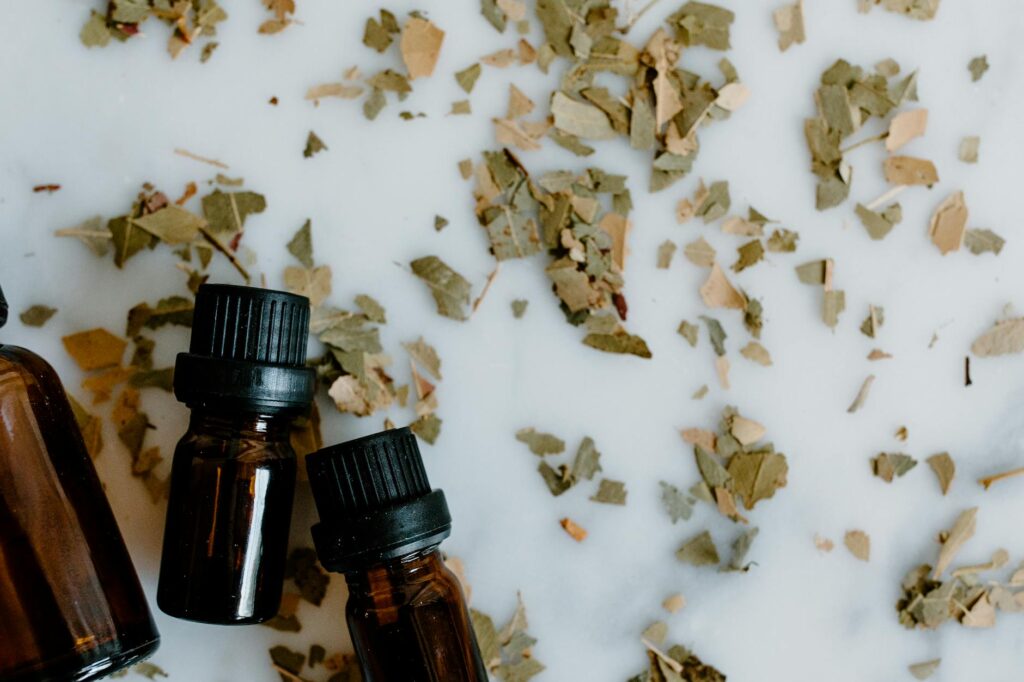
Store essential oils in dark glass bottles to protect them from light, which can degrade their quality.
2. Cool Environment
Keeping oils in a cool, dry place away from direct sunlight and heat sources will help preserve their integrity.
3. Shelf Life
Most essential oils have a shelf life of 1 to 3 years, depending on the type of oil. Citrus oils generally have a shorter shelf life, while oils like sandalwood and patchouli can last longer.
Frequently Asked Questions
1. Can aromatherapy blends cure hormonal imbalances?
While aromatherapy can support emotional and physical well-being, it is not a substitute for medical treatment. Always consult a healthcare provider for hormonal imbalances.
2. How do I choose the right blend for me?
Selecting a blend often depends on personal preferences and specific symptoms. It may be helpful to experiment with different oils to find what resonates best.
3. Are there any oils I should avoid?
Some essential oils may not be suitable for specific individuals, such as those with allergies or sensitivities. Always consult a professional if unsure.
4. Can men use aromatherapy blends for hormonal support?
Yes, aromatherapy can be beneficial for individuals of all genders. Many essential oils help with stress relief and emotional balance, which are relevant for everyone.
5. How often can I use aromatherapy blends?
Usage frequency can vary based on individual needs. Generally, daily use is common for supportive blends, but it is essential to pay attention to your body’s signals.
Conclusion
The use of aromatherapy blends for hormonal support has a rich history rooted in traditional practices and has gained modern recognition for its potential benefits. While not a replacement for medical treatment, aromatherapy offers a holistic approach to emotional and physical well-being. By understanding the properties, applications, and precautions associated with essential oils, individuals can make informed choices about incorporating these blends into their lifestyles.