
History and Origins of Aromatherapy Blends for Immune System Resilience
Introduction
Aromatherapy is an ancient practice that harnesses the therapeutic properties of essential oils derived from plants. These oils have been used for centuries in various cultures to promote well-being and enhance health. Among the many applications of aromatherapy, the use of specific blends to support immune system resilience has gained particular attention. This article delves into the history and origins of these blends, exploring their benefits, common uses, applications, safety considerations, and storage practices.
What Is Aromatherapy Blends for Immune System Resilience?
Aromatherapy blends for immune system resilience involve the combination of various essential oils that are believed to enhance the body’s natural defense mechanisms. These blends typically include oils known for their antimicrobial, anti-inflammatory, and immune-boosting properties. The goal of these blends is to support the immune system, aid in recovery, and promote overall health and vitality.
Key Benefits and Properties
The benefits of aromatherapy blends for immune system resilience can be attributed to the unique properties of the essential oils used. Some key properties include:
Antimicrobial Action
Many essential oils possess natural antimicrobial properties, which can help in fighting off pathogens. Oils such as tea tree, eucalyptus, and thyme are known for their ability to inhibit the growth of bacteria, viruses, and fungi.
Anti-inflammatory Effects
Chronic inflammation can weaken the immune system. Essential oils like lavender and chamomile are recognized for their anti-inflammatory properties, which can help reduce inflammation and support immune function.
Immune System Support
Certain essential oils, such as oregano and frankincense, are believed to stimulate the immune system, enhancing its ability to respond to infections and diseases.
Stress Reduction
Stress is known to compromise immune function. Essential oils such as bergamot and ylang-ylang are often included in blends for their calming properties, promoting relaxation and emotional balance, which in turn supports immune health.
Common Uses
Aromatherapy blends for immune system resilience can be utilized in various ways, including:
Diffusion
One of the most popular methods of utilizing essential oils is through diffusion. Blending oils in a diffuser can fill a room with therapeutic aromas, promoting respiratory health and overall wellness.
Topical Application
Essential oils can be diluted in carrier oils (such as coconut or jojoba oil) and applied topically. This method allows for direct absorption into the skin, providing localized benefits.
Inhalation
Inhaling essential oils directly from the bottle or through steam inhalation can provide immediate effects, especially for respiratory support.
Bathing
Adding essential oils to bathwater can create a soothing and rejuvenating experience. Oils like lavender and eucalyptus can enhance relaxation while supporting respiratory health.
Aromatherapy Applications
The application of aromatherapy blends for immune system resilience can be tailored to individual needs. Here are some common methods:
Blending Techniques
Creating effective aromatherapy blends involves understanding the properties of the oils being used. A well-balanced blend typically includes:
- Base Notes: These oils provide depth and stability to the blend. Common base notes include sandalwood and patchouli.
- Middle Notes: These oils form the heart of the blend and often have therapeutic properties. Examples include lavender and rosemary.
- Top Notes: These oils are the most volatile, providing an initial burst of aroma. Citrus oils like lemon and grapefruit are popular top notes.
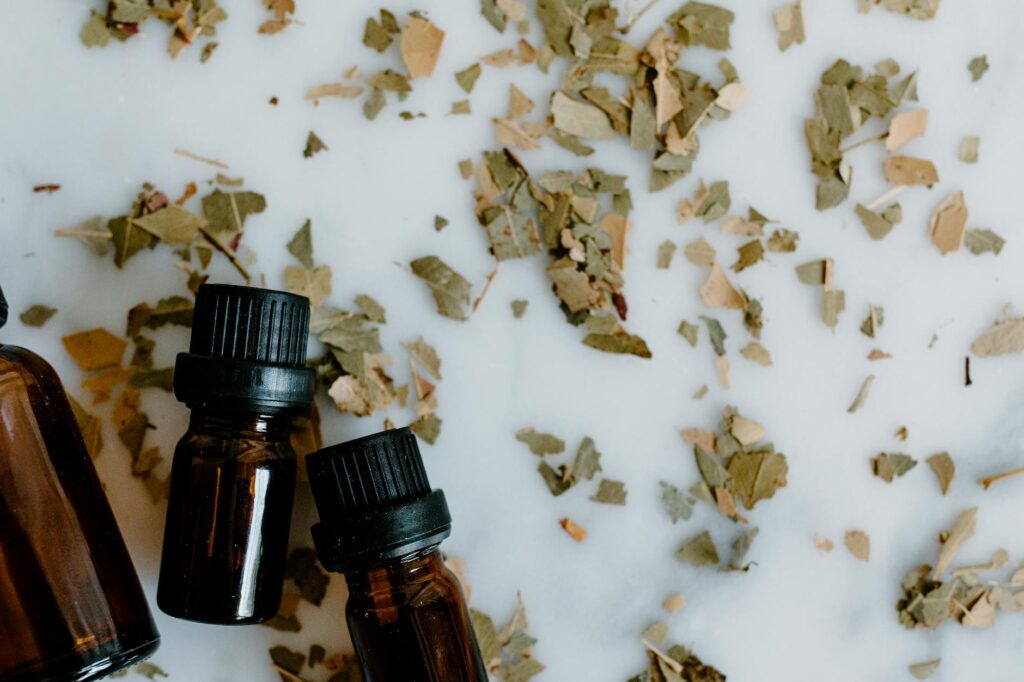
- Dark Glass Containers: Essential oils should be stored in dark glass bottles to protect them from light, which can degrade their quality over time.
- Cool, Dry Place: Store oils in a cool, dry environment away from direct sunlight and heat sources.
Recommended Blends for Immune Support
1. Citrus and Spice Blend: Combining lemon, orange, cinnamon, and clove can create a refreshing and invigorating aroma, ideal for promoting a positive atmosphere during cold and flu seasons.
2. Herbal Defense Blend: A mix of tea tree, eucalyptus, and thyme can be effective for respiratory support, especially during times of seasonal illness.
3. Calming Immune Support: A blend of lavender, bergamot, and frankincense helps to relieve stress, thereby indirectly supporting immune function.
Safety Considerations
While aromatherapy can offer numerous benefits, it is essential to observe safety guidelines when using essential oils:
Dilution
Essential oils are highly concentrated and should be diluted in carrier oils before topical application. A general guideline is to use a 1-3% dilution, depending on the individual’s skin sensitivity and the specific oil used.
Patch Testing
Before applying a new essential oil blend to the skin, a patch test is advisable. This involves applying a small amount of diluted oil to a discreet area of skin and waiting 24 hours to check for any adverse reactions.
Pregnancy and Allergies
Certain essential oils may not be safe for use during pregnancy or may cause allergic reactions in some individuals. It is crucial to research specific oils and consult with a knowledgeable practitioner if there are any concerns.
Storage and Shelf Life
Proper storage is vital for maintaining the quality and potency of essential oils. Here are some best practices:
Storage Guidelines
Shelf Life
The shelf life of essential oils can vary widely depending on the type of oil and how it is stored. Generally, citrus oils have a shorter shelf life (about 1-2 years), while oils like sandalwood and patchouli can last for several years if stored properly.
Frequently Asked Questions
Can aromatherapy blends replace traditional medicine?
Aromatherapy should not be considered a substitute for professional medical advice or treatment. It can be a complementary approach to overall wellness.
How often can I use aromatherapy blends?
Usage frequency can vary based on individual needs and the specific oils used. Generally, it is advisable to use blends in moderation, allowing the body to respond to the effects.
Are there any oils to avoid during pregnancy?
Certain essential oils, such as sage and rosemary, are often recommended to be avoided during pregnancy. It is best to consult a healthcare provider for personalized advice.
Can children use aromatherapy?
Aromatherapy can be beneficial for children, but caution is advised. Essential oils should be heavily diluted, and some oils may not be suitable for younger children. Always consult a qualified practitioner.
Conclusion
Aromatherapy blends for immune system resilience have a rich history rooted in traditional practices and holistic approaches to health. Understanding the properties, benefits, and safe usage of these essential oils can empower individuals to incorporate aromatherapy into their wellness routines. As interest in natural remedies continues to grow, the exploration of these ancient practices remains relevant, offering a connection to our historical understanding of health and healing.