
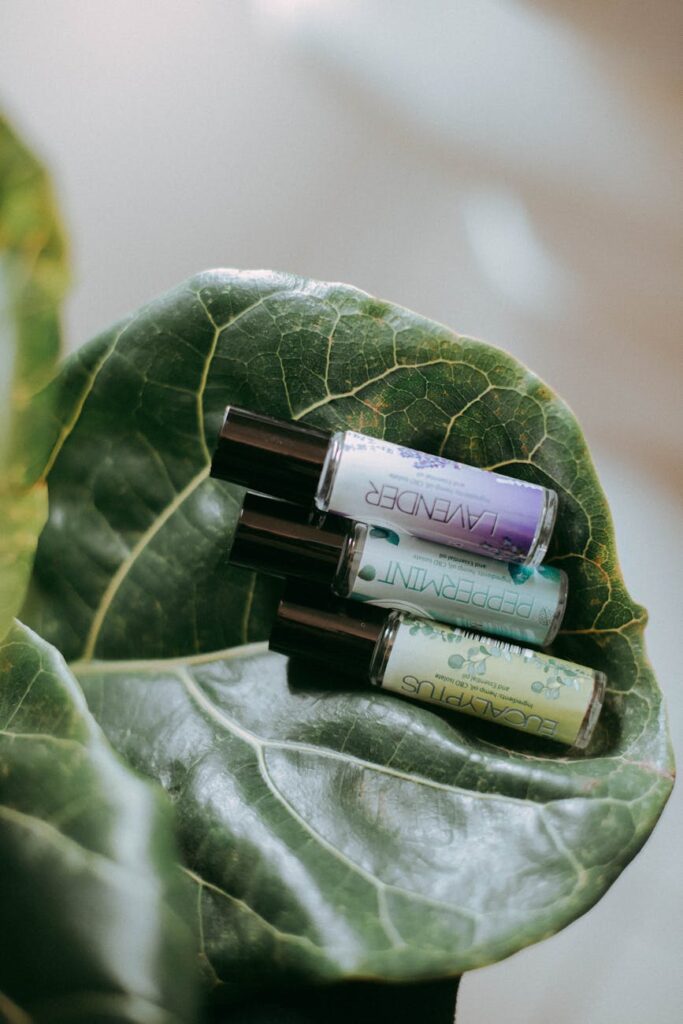
History and Origins of Aromatherapy Blends for Mental Clarity and Focus
Introduction
Aromatherapy, a holistic practice that employs essential oils extracted from plants, has been utilized for centuries across various cultures. Among its many applications, the use of specific essential oil blends for enhancing mental clarity and focus has garnered particular interest in both historical and modern contexts. This article delves into the rich history and origins of these aromatherapy blends, exploring their benefits, common applications, and safety considerations.
What Is Aromatherapy Blends for Mental Clarity and Focus?
Aromatherapy blends for mental clarity and focus consist of carefully selected essential oils that are believed to facilitate cognitive enhancement, concentration, and mental acuity. These blends often include oils such as rosemary, peppermint, lemon, and basil, which are traditionally associated with stimulating the mind and promoting alertness.
The practice of creating these blends involves combining various essential oils to harness their synergistic effects. Each oil carries unique properties, and when blended, they can work together to enhance the overall efficacy of the aroma, making it more powerful in promoting mental clarity.
Key Benefits and Properties
The essential oils commonly used in blends aimed at enhancing mental clarity and focus possess distinct properties that contribute to their effectiveness:
1. Rosemary (Rosmarinus officinalis): Traditionally linked to memory enhancement, rosemary is believed to stimulate the brain and improve cognitive function. Its invigorating scent is often used to combat mental fatigue.
2. Peppermint (Mentha piperita): Known for its refreshing and revitalizing properties, peppermint can help increase alertness and improve focus. Its scent has been associated with boosting concentration levels.
3. Lemon (Citrus limon): The uplifting aroma of lemon is often used to alleviate stress and promote a positive mood. It is thought to enhance clarity of thought and creativity.
4. Basil (Ocimum basilicum): Basil is known for its calming yet invigorating effects. It can help reduce mental exhaustion, making it easier to concentrate on tasks.
5. Sage (Salvia officinalis): This herb has a long history of use in enhancing mental clarity. Its scent is believed to help with cognitive function and emotional balance.
These essential oils can create a stimulating environment conducive to focus, whether used in personal settings, workplaces, or study areas.
Common Uses
Aromatherapy blends for mental clarity and focus are versatile and can be applied in various contexts, including:
- Work Environments: Many individuals use these blends to create a conducive workspace, especially during tasks requiring intense concentration or creativity.
- Study Sessions: Students often incorporate these aromas while studying to enhance retention and focus, making information processing more efficient.
- Meditation and Mindfulness Practices: Incorporating these essential oils into meditation can enhance mental clarity, promoting deeper states of awareness.
- Daily Routines: Many people enjoy using these blends in their daily routines, such as during yoga sessions, morning rituals, or even while driving.
- Dilution: Essential oils are potent and should always be diluted before topical application. A common dilution ratio is 2-3% essential oil to carrier oil.
- Patch Testing: Prior to widespread topical use, conducting a patch test is advisable to check for allergic reactions or skin sensitivities.
- Pregnancy and Nursing: Certain essential oils may not be suitable for pregnant or nursing individuals. Consultation with a qualified professional is recommended.
- Children and Pets: Some essential oils can be harmful to children and pets. It is essential to research specific oils to ensure safety.
- Dark Glass Bottles: Light can degrade the quality of essential oils, so dark glass bottles are preferred.
- Cool, Dry Places: Excess heat and humidity can also affect the integrity of the oils. Storing them in a cool, dry location away from sunlight is recommended.
- Expiration: While essential oils do not spoil in the traditional sense, they can lose their potency over time. A general guideline is that citrus oils may last about 1-2 years, while more robust oils like sandalwood can last up to 5 years or more.
Aromatherapy Applications
There are several effective methods for applying aromatherapy blends aimed at mental clarity and focus:
1. Diffusion
Using an essential oil diffuser is one of the most popular methods for dispersing the aroma throughout a space. This method not only fills the air with the scent but can also create a calming atmosphere conducive to focus.
2. Inhalation
Direct inhalation of essential oils can provide immediate effects. A few drops of the blend can be placed on a cotton ball or inhaler stick, allowing for quick access to the aroma throughout the day.
3. Topical Application
Diluting essential oils with a carrier oil, such as sweet almond or coconut oil, allows for safe topical application. Common areas for application include the wrists, temples, and neck. This method can provide both aromatic benefits and skin nourishment.
4. Bathing
Adding aromatherapy blends to bathwater can create a relaxing and uplifting experience. The warm water can help disperse the oils, allowing the individual to inhale the scent while enjoying the soothing effects of a bath.
5. Room Sprays
Creating a room spray with essential oils can be an effective way to refresh a space while promoting mental clarity. A simple mixture of water and essential oils in a spray bottle can serve as an invigorating air freshener.
Safety Considerations
While aromatherapy blends can offer various benefits, it is crucial to consider safety:
Storage and Shelf Life
Proper storage of essential oils is vital to maintain their potency and effectiveness. Essential oils should be kept in:
Frequently Asked Questions
1. Can aromatherapy blends really improve focus and clarity?
Many individuals report enhanced focus and clarity when using specific essential oil blends, but experiences can vary. The psychological effects of pleasant aromas can also contribute to a more positive mindset that enhances concentration.
2. Are there any side effects associated with using essential oils?
While essential oils are generally considered safe when used properly, some individuals may experience allergic reactions or skin irritations. It is essential to conduct patch tests and consult with a professional if unsure.
3. How do I know which essential oils to use for focus?
The choice of essential oils can depend on personal preference and desired effects. Researching the properties of different oils and experimenting with blends can help individuals find what works best for them.
4. Is it necessary to use a diffuser, or can I apply the oils directly?
Diffusion is a popular method for dispersing the aroma, but direct inhalation or topical application can also be effective. The method chosen often depends on personal preference and the specific context of use.
5. Can I make my own blends at home?
Yes, many individuals enjoy creating their own blends. It is advisable to start with well-researched recipes and gradually experiment with proportions to find a blend that suits personal preferences.
Conclusion
The use of aromatherapy blends for mental clarity and focus is steeped in history and has evolved into a widely used practice in contemporary wellness routines. By harnessing the properties of essential oils like rosemary, peppermint, lemon, and basil, individuals can create an environment that supports cognitive enhancement and mental acuity. With careful attention to safety and proper application, these blends can be a valuable addition to one’s holistic approach to well-being.