
History and Origins of Aromatherapy Blends for Mindfulness and Presence
Introduction
Aromatherapy, a practice that harnesses the power of essential oils for therapeutic benefits, has deep historical roots that date back thousands of years. The use of plant extracts for health and wellness spans numerous cultures around the globe, with significant developments occurring in ancient Egypt, China, and Greece. This article explores the history and origins of aromatherapy blends specifically designed for mindfulness and presence, focusing on their evolution, benefits, and applications.
What Is Aromatherapy Blends for Mindfulness and Presence?
Aromatherapy blends for mindfulness and presence consist of specific combinations of essential oils that promote mental clarity, relaxation, and an enhanced sense of awareness. These blends are typically created to stimulate emotional and psychological well-being, helping individuals to center themselves and remain present in the moment. Essential oils like lavender, bergamot, and frankincense are commonly used for their calming and grounding properties.
The practice of mindfulness encourages individuals to engage fully in the present, acknowledging thoughts and feelings without judgment. Aromatherapy blends can act as a sensory anchor, enhancing this practice by creating an inviting atmosphere conducive to meditation, focus, and self-reflection.
Key Benefits and Properties
Aromatherapy blends designed for mindfulness and presence offer various psychological and emotional benefits, including:
1. Stress Reduction: Many essential oils have calming properties that can help alleviate stress and anxiety. Oils such as lavender and chamomile are popular for their soothing effects on the mind.
2. Enhanced Focus: Certain oils, like rosemary and peppermint, are known for their ability to improve concentration and mental clarity, assisting individuals in staying present and engaged.
3. Emotional Balance: Essential oils can influence mood and emotional states. Citrus oils like orange and lemon are uplifting, while grounding oils like vetiver and sandalwood can promote stability and calmness.
4. Spiritual Connection: Some blends are formulated to enhance meditative practices, fostering a deeper connection to oneself and the surrounding environment.
5. Sensory Engagement: The olfactory system is closely linked to the brain’s limbic system, which governs emotions and memory. Aromatherapy blends engage the senses, inviting mindful experiences and enhancing emotional awareness.
Common Uses
Aromatherapy blends for mindfulness and presence can be utilized in various settings and practices. Here are some common applications:
1. Meditation: Essential oils can create a peaceful environment conducive to meditation. Diffusing calming blends can help center the mind and reduce distractions.
2. Yoga: Incorporating aromatherapy into yoga practices can deepen relaxation and enhance the overall experience. Spraying a mist of essential oils in the yoga space or applying them topically can be beneficial.
3. Breathing Exercises: Simple breathing exercises combined with specific aromas can heighten awareness and promote relaxation, allowing individuals to focus on their breath and the present moment.
4. Massage: When blended with carrier oils, essential oils can be used in massage therapy, promoting relaxation and enhancing body awareness.
5. Daily Routines: Incorporating aromatherapy into daily activities, such as during morning routines or while working, can encourage a mindful approach to everyday tasks.
Aromatherapy Applications
The application of aromatherapy blends can vary based on individual preferences and needs. Here are several methods for using these blends effectively:
1. Diffusion: Using an essential oil diffuser allows the fragrance to fill a space, creating an inviting atmosphere. This method is particularly effective for larger areas or group settings.
2. Topical Application: Essential oils can be diluted in carrier oils and applied directly to the skin. Common areas include pulse points, the back of the neck, and the wrists. Always ensure proper dilution to avoid skin irritation.
3. Inhalation: Simply inhaling essential oils from the bottle or a cotton ball can provide immediate effects. This method is quick and can be used discreetly throughout the day.
4. Aromatherapy Mists: Creating a room spray or body mist with essential oils can be an effective way to integrate aromatherapy into daily routines.
5. Baths: Adding essential oils to bathwater can enhance relaxation and provide a soothing experience. It is advisable to mix oils with a dispersant, such as Epsom salts, for even distribution in water.
Safety Considerations
While aromatherapy is generally safe, it is important to follow certain guidelines to ensure a positive experience:
1. Dilution: Always dilute essential oils before topical application, especially for sensitive skin. A common ratio is 3-5% essential oil to carrier oil.
2. Quality of Oils: Use high-quality, pure essential oils from reputable sources to avoid synthetic additives and contaminants.
3. Allergies and Sensitivities: Conduct a patch test prior to using any essential oils, especially for those with sensitive skin or known allergies.
4. Pregnancy and Medical Conditions: Certain essential oils may not be suitable for pregnant individuals or those with specific medical conditions. Consult a qualified professional for guidance.
5. Children and Pets: When using essential oils around children or pets, ensure that the oils are safe and appropriate, as some essential oils can be harmful to them.
Storage and Shelf Life
Proper storage of essential oils is essential for maintaining their potency and efficacy. Here are some tips:
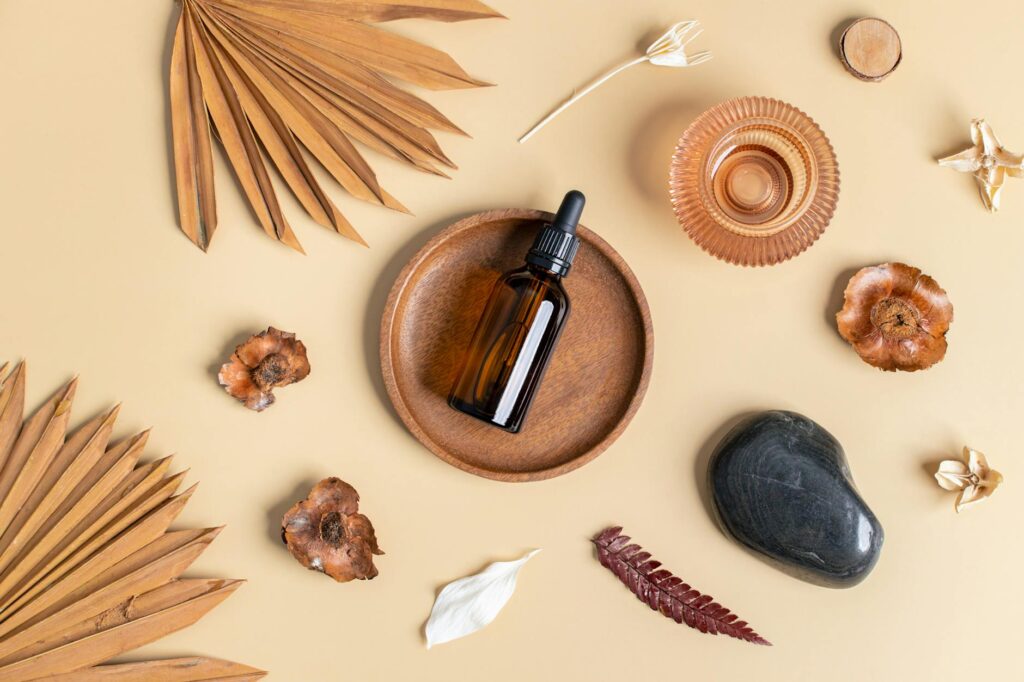
1. Dark Glass Containers: Store essential oils in dark glass bottles to protect them from light exposure, which can degrade their quality.
2. Cool, Dry Place: Keep oils in a cool, dry location away from direct sunlight and heat sources.
3. Shelf Life: The shelf life of essential oils can vary. Generally, citrus oils have a shorter shelf life (1-2 years), while oils like patchouli and cedarwood can last for over five years when stored correctly.
4. Labeling: Clearly label bottles with the name of the essential oil and the date of purchase to track freshness.
Frequently Asked Questions
What are some popular essential oils for mindfulness?
Common essential oils for mindfulness include lavender, frankincense, sandalwood, bergamot, and chamomile. Each offers unique properties that can enhance relaxation and focus.
How do I choose the right blend for mindfulness?
Selecting the right blend often depends on personal preferences and specific emotional needs. Experimenting with different oils can help identify which ones resonate most with you.
Can I make my own aromatherapy blends?
Yes, creating your own blends can be a rewarding experience. Start with a base oil, then add a few drops of complementary essential oils, testing and adjusting ratios as needed.
Are there any essential oils to avoid?
Some essential oils may cause irritation or allergic reactions, particularly when applied undiluted. Always do a patch test and consult safety guidelines specific to each oil.
Can aromatherapy replace traditional therapies?
Aromatherapy is a complementary practice and should not be used as a substitute for medical or psychological treatment. It is advisable to consult with healthcare professionals regarding health concerns.
Conclusion
The history and origins of aromatherapy blends for mindfulness and presence reflect a rich tapestry of cultural practices and beliefs surrounding the use of essential oils. These blends serve not only as tools for enhancing relaxation and focus but also as means of fostering a deeper connection to oneself and the environment. By understanding their benefits, applications, and safety considerations, individuals can effectively incorporate aromatherapy into their daily lives, promoting mindfulness and enhancing overall well-being.