
History and Origins of Aromatherapy Blends for Post-Surgery Recovery
Introduction
Aromatherapy, the use of essential oils to promote physical and emotional well-being, has deep historical roots spanning across various cultures and civilizations. Its application within the context of post-surgery recovery has gained popularity in recent years as more individuals seek complementary therapies to enhance their healing process. This article delves into the history and origins of aromatherapy blends designed specifically for post-surgical recovery, exploring their benefits, common applications, and safety considerations.
What Is Aromatherapy Blends for Post-Surgery Recovery?
Aromatherapy blends for post-surgery recovery typically consist of carefully selected essential oils that aim to support the body’s natural healing processes. These blends may target physical discomfort, emotional distress, and overall recovery through the inhalation of aromatic compounds or topical application. The integration of these oils into recovery protocols is rooted in the belief that scent can influence mood, pain perception, and physiological responses.
Historically, essential oils have been employed for therapeutic purposes, reflecting the understanding that certain plant extracts can have beneficial effects on the body and mind. The specific blends formulated for post-surgical recovery are often tailored to alleviate common symptoms experienced after surgical procedures, such as pain, anxiety, and inflammation.
Key Benefits and Properties
Aromatherapy blends for post-surgery recovery can offer a range of potential benefits, which may include:
1. Pain Relief: Certain essential oils, such as lavender and peppermint, are known for their analgesic properties and may help reduce discomfort.
2. Anxiety Reduction: Essential oils like chamomile and bergamot are often used for their calming effects, potentially alleviating anxiety and promoting relaxation.
3. Anti-Inflammatory Effects: Oils such as eucalyptus and tea tree are recognized for their anti-inflammatory properties, which can support the body’s healing processes.
4. Improved Sleep Quality: Many essential oils, including vetiver and ylang-ylang, can promote restful sleep, which is essential for recovery.
5. Enhanced Mood: Citrus oils like lemon and orange are uplifting and can improve overall mood, which is often affected during the recovery period.
6. Facilitation of Circulation: Some blends may help improve circulation, promoting better nutrient delivery to healing tissues.
Common Uses
Aromatherapy blends for post-surgery recovery can be utilized in various ways, depending on individual preferences and specific recovery needs. Common uses include:
1. Inhalation: Using a diffuser to disperse essential oils into the air allows for easy inhalation, making it a popular choice for relaxation and mood enhancement.
2. Topical Application: Diluting essential oils in carrier oils for massage or local application can target specific areas of discomfort or inflammation.
3. Bathing: Adding essential oils to a warm bath can create a soothing environment that promotes relaxation and relieves tension.
4. Compresses: Soaking a cloth in a diluted essential oil solution can create a compress, which may provide localized relief for swelling or pain.
5. Room Sprays: Creating a spray with essential oils can help freshen the environment and promote a calming atmosphere.
Aromatherapy Applications
When applying aromatherapy blends for post-surgery recovery, it is crucial to understand the various methods of application and their respective benefits. Here are some key applications:
Diffusion
Diffusing essential oils into the air can create a tranquil environment that fosters relaxation. This method is particularly useful for oils that promote emotional well-being, such as lavender and frankincense.
Massage
Topical application through massage can alleviate muscle tension and promote relaxation. Diluting essential oils in a carrier oil, such as sweet almond or jojoba, allows for safe skin application.
Inhalation
Simple inhalation of essential oils directly from the bottle or through a cotton ball can provide immediate benefits for anxiety and stress relief. This method is often used for oils with calming properties.
Bathing Rituals
Incorporating essential oils into bathwater can enhance the bathing experience. The warmth of the water helps to disperse the oils, allowing for a full-body relaxation effect.
Compresses
Using a compress soaked in a blend of essential oils and water can target specific areas of discomfort, providing localized relief. This method is particularly effective for swelling and bruising.
Safety Considerations
While aromatherapy can offer various benefits, it is essential to approach its use with caution, particularly in a post-surgery context. Here are some safety considerations:
1. Consultation: Always consult with a healthcare provider before incorporating aromatherapy into a post-surgery recovery plan, especially if other medications or treatments are being utilized.
2. Dilution: Essential oils should be diluted in a carrier oil before topical application to prevent skin irritation. A general guideline is to use a 1-2% dilution for adults.
3. Allergies: Conduct a patch test for any new essential oil to check for allergic reactions or sensitivities.
4. Quality of Oils: Use high-quality, pure essential oils from reputable sources to ensure safety and efficacy.
5. Pregnancy and Nursing: Certain essential oils may not be safe for pregnant or nursing individuals, so caution is advised.
6. Children and Elderly: When using essential oils with children or elderly individuals, it is important to select appropriate oils and dilutions suitable for their age and health status.
Storage and Shelf Life
Proper storage of essential oils is crucial to maintaining their quality and effectiveness. Here are some guidelines for storage:
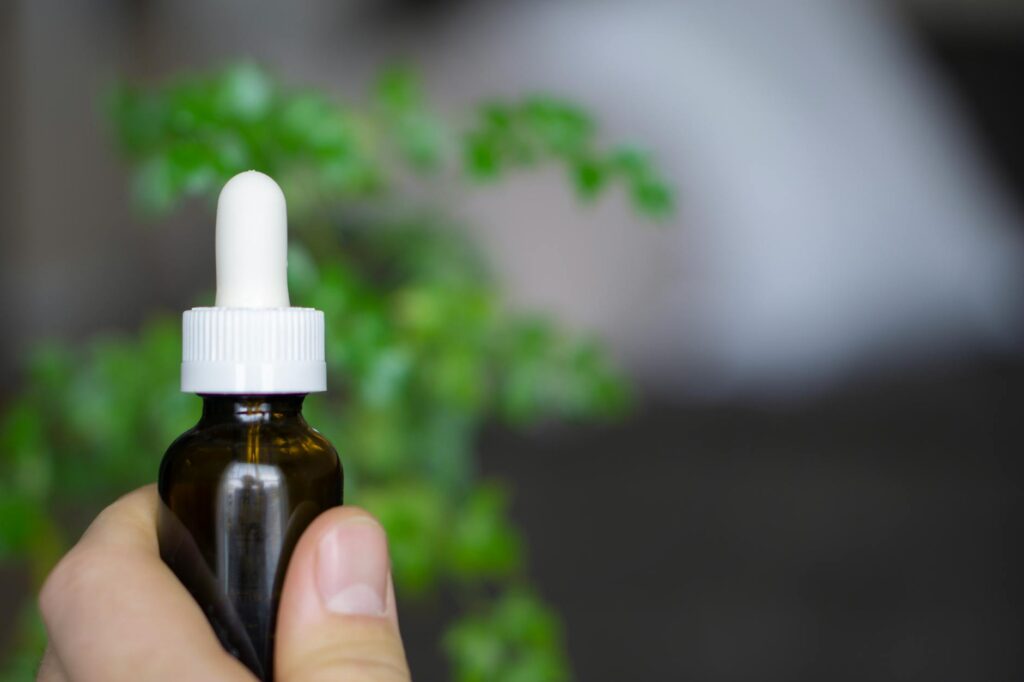
1. Dark Glass Containers: Store essential oils in dark, glass containers to protect them from light, which can degrade their potency.
2. Cool Environment: Keep oils in a cool, dry place away from direct sunlight and heat sources.
3. Tightly Sealed: Ensure that bottles are tightly sealed to prevent oxidation and evaporation.
4. Shelf Life: The shelf life of essential oils can vary. Citrus oils typically last 1-2 years, while oils like sandalwood and patchouli can last much longer when stored properly.
Frequently Asked Questions
1. Can aromatherapy replace traditional medicine in post-surgery recovery?
Aromatherapy is intended as a complementary therapy and should not replace traditional medical treatments. It is essential to follow the guidance of healthcare professionals during recovery.
2. What are the best essential oils for post-surgery recovery?
Common essential oils used for post-surgery recovery include lavender, chamomile, peppermint, eucalyptus, and frankincense, each chosen for its specific properties.
3. How can I incorporate aromatherapy into my post-surgery routine?
Incorporate aromatherapy by using diffusers, topical applications, or bath blends. Experiment with different methods to find what works best for your recovery.
4. Are there any essential oils to avoid after surgery?
Certain essential oils, such as those that can cause photosensitivity (e.g., citrus oils), may need to be used cautiously. Consult with a healthcare provider for personalized recommendations.
5. How should I prepare an aromatherapy blend for topical use?
To prepare a topical blend, dilute essential oils in a carrier oil using a recommended dilution rate (1-2% for adults). Always conduct a patch test first.
Conclusion
The history and origins of aromatherapy blends for post-surgery recovery reflect a rich tapestry of cultural practices and natural healing methods. As individuals increasingly seek holistic approaches to enhance their recovery, understanding the benefits, applications, and safety considerations of aromatherapy becomes essential. By integrating these blends thoughtfully into post-surgical care, individuals may find added support on their path to healing and well-being.