
History and Origins of Aromatherapy Blends for Relaxation and Sleep Induction
Introduction
Aromatherapy is a holistic healing practice that harnesses the natural properties of essential oils to promote physical, emotional, and mental well-being. Among its various applications, the use of aromatherapy blends for relaxation and sleep induction has gained popularity, especially in our fast-paced modern lives. This article delves into the history and origins of these aromatic blends, exploring their evolution and how they have been utilized across different cultures to foster tranquility and restful sleep.
What Is Aromatherapy Blends for Relaxation and Sleep Induction?
Aromatherapy blends for relaxation and sleep induction typically consist of a combination of essential oils—extracted from plants, flowers, and herbs—known for their calming and soothing properties. These blends are often crafted to enhance the natural effects of individual oils, providing a synergistic approach to relaxation. Common essential oils used in these blends include lavender, chamomile, bergamot, and sandalwood, each contributing unique characteristics to the overall formulation.
Key Benefits and Properties
The primary benefits of aromatherapy blends for relaxation and sleep induction include:
1. Stress Reduction: Many essential oils possess properties that help alleviate feelings of stress and anxiety. For example, lavender is known for its calming effects, making it a popular choice for promoting relaxation.
2. Enhanced Sleep Quality: Certain oils can help improve the quality of sleep by calming the mind and easing tension. Studies have suggested that inhaling specific aromas may extend the duration of deep sleep phases.
3. Mood Enhancement: Aromatherapy can positively influence mood and emotional well-being. Citrus oils like bergamot can uplift spirits and create an inviting atmosphere conducive to relaxation.
4. Physical Relaxation: The inhalation of calming essential oils may help ease physical tension, promoting overall bodily relaxation which is essential for a good night’s sleep.
5. Mindfulness and Meditation Support: The use of aromatic blends can enhance mindfulness practices, allowing individuals to create a serene environment that supports meditation and relaxation techniques.
Common Uses
Aromatherapy blends for relaxation and sleep induction can be utilized in various ways, including:
- Diffusion: One of the most popular methods, essential oils are dispersed into the air using a diffuser. This method allows for the continuous release of aroma, creating an inviting atmosphere.
- Topical Application: Essential oil blends can be diluted with carrier oils and applied to the skin, particularly on pulse points or areas of tension. This method allows for both inhalation of the aroma and absorption of the oils.
- Bathing: Adding essential oils to a warm bath creates a soothing experience. The steam and warm water enhance the aromatic effects, promoting relaxation.
- Pillow Sprays: Blending essential oils in a spray form allows for a quick application on pillows or bedding, creating a calming environment conducive to sleep.
- Massage: Incorporating essential oils into massage oils can enhance relaxation during a massage, targeting both physical and emotional tension.
- Dilution: Essential oils should always be diluted with a carrier oil before topical application to prevent skin irritation.
- Quality of Oils: Use high-quality, pure essential oils free from synthetic additives. Look for oils that are labeled as food-grade or therapeutic-grade.
- Allergies and Sensitivities: Conduct a patch test before applying new oils to ensure there are no adverse reactions.
- Pregnancy and Medical Conditions: Pregnant or nursing individuals, as well as those with specific medical conditions, should consult a healthcare professional before using essential oils.
- Children and Pets: Certain oils may not be suitable for children or pets. Research and caution are advised when using essential oils in their presence.
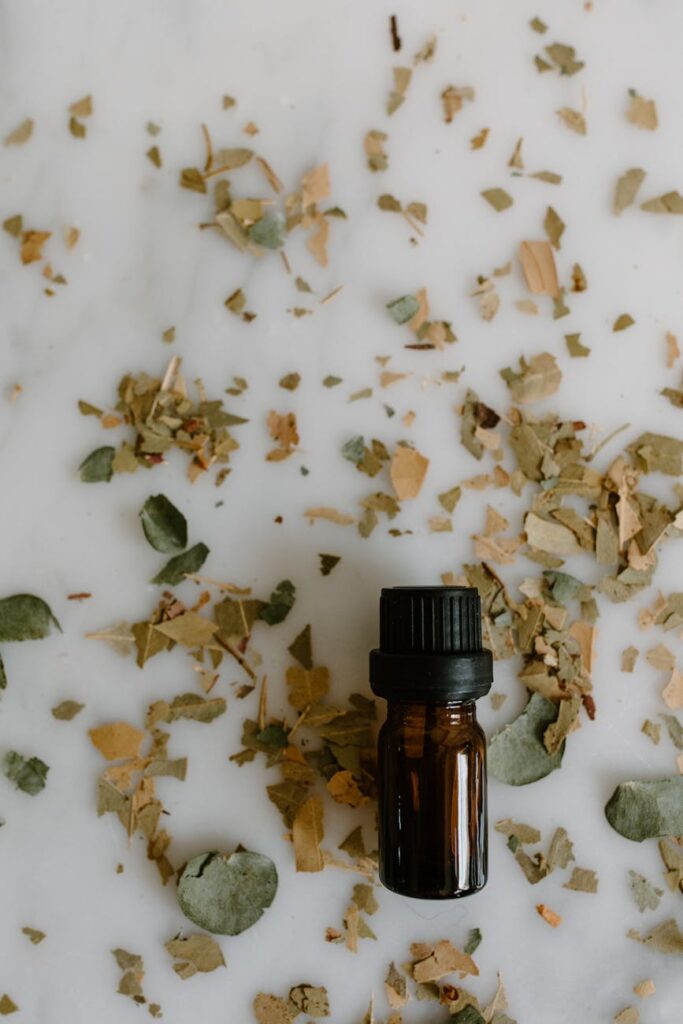
- Dark Glass Bottles: Store essential oils in dark glass bottles to protect them from light, which can degrade their quality.
- Cool, Dry Place: Keep oils in a cool, dry area away from direct sunlight and heat sources.
- Shelf Life: While some essential oils have a shelf life of up to five years, others, particularly citrus oils, may expire more quickly. Regularly check oils for changes in aroma or consistency.
Aromatherapy Applications
The application of aromatherapy blends for relaxation and sleep induction can be adapted to individual preferences and needs. Here are some common methods:
Diffusion
Using an ultrasonic diffuser or essential oil burner, you can disperse the chosen blend into the air. This method is particularly effective in larger spaces and can create an ambiance of serenity.
Inhalation
Direct inhalation from the bottle or adding a few drops to a handkerchief allows for immediate access to the oil’s benefits. This method can be particularly useful in stressful situations.
Bath Rituals
Adding essential oils to bathwater can transform an ordinary bathing experience into a luxurious ritual. Oils should be mixed with a carrier such as coconut or jojoba oil to ensure even distribution.
Sleep Masks or Pillows
Creating a sleep mask infused with calming essential oils or using scented pillows can promote a peaceful sleep environment. Just a few drops on the pillowcase or sleep mask can enhance relaxation.
Blended Roll-Ons
Roll-on bottles containing diluted essential oils provide a convenient way to apply the blends to pulse points, such as wrists or behind the ears, for on-the-go relaxation.
Safety Considerations
While aromatherapy is generally considered safe, it is essential to observe certain precautions:
Storage and Shelf Life
Proper storage is crucial for maintaining the integrity of essential oils. Here are some guidelines:
Frequently Asked Questions
What essential oils are best for relaxation and sleep?
Common oils known for their calming properties include lavender, chamomile, bergamot, sandalwood, and ylang-ylang.
How do I create my own relaxation blend?
To create a relaxation blend, combine a few drops of your chosen essential oils in a carrier oil. A common ratio is 3-5 drops of essential oil per tablespoon of carrier oil.
Can I use aromatherapy during the day?
Absolutely! Aromatherapy can be beneficial at any time. Uplifting oils such as citrus or mint can invigorate and enhance focus during daytime activities.
Are there any side effects of using essential oils?
While generally safe, some individuals may experience skin irritation or allergic reactions. It is important to conduct patch tests and consult with a healthcare professional if uncertain.
How often can I use aromatherapy blends?
Aromatherapy can be used as often as desired, but it is advisable to take breaks to prevent desensitization to certain scents.
Conclusion
The history and origins of aromatherapy blends for relaxation and sleep induction reflect a rich tapestry of cultural practices and natural healing methods. Through the careful selection and combination of essential oils, individuals can create personalized blends that support their journey towards relaxation and restful sleep. As the science of aromatherapy continues to evolve, its relevance in modern wellness practices remains steadfast, offering a natural solution to the challenges of contemporary living.