
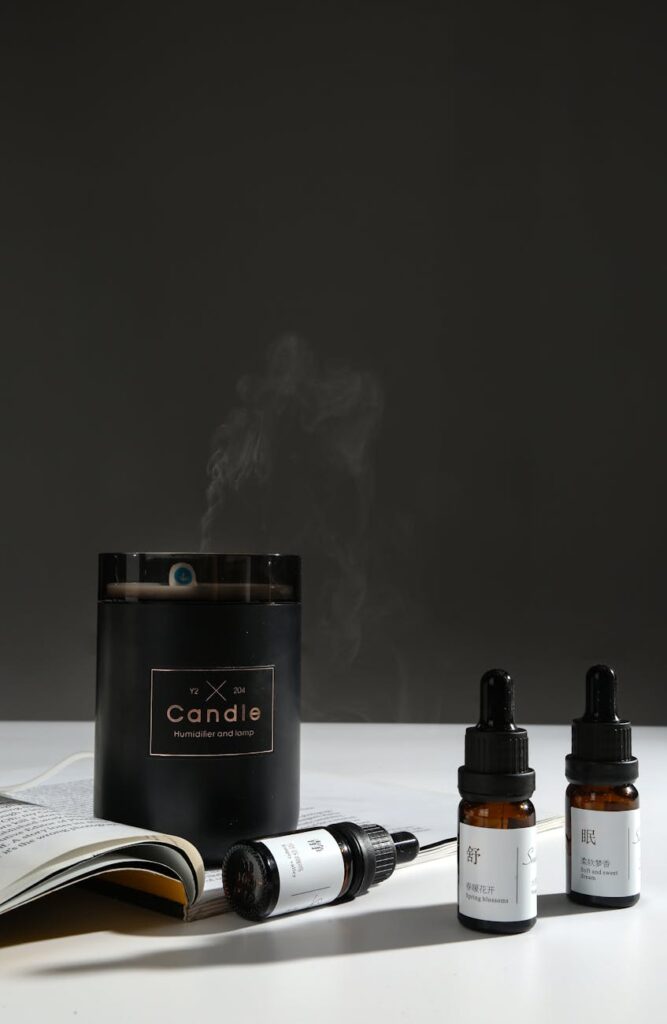
History and Origins of Aromatherapy Blends for Relaxation Enhancement
Introduction
Aromatherapy, a practice that harnesses the power of essential oils to promote physical and emotional well-being, has a rich history that spans across cultures and centuries. Among its various applications, the use of aromatherapy blends specifically for relaxation enhancement has gained significant popularity in contemporary wellness practices. This article delves into the historical background and origins of these blends, exploring their composition, benefits, and applications.
What Is Aromatherapy Blends for Relaxation Enhancement?
Aromatherapy blends for relaxation enhancement typically consist of a mixture of essential oils known for their calming properties. These oils are derived from plants, including flowers, leaves, roots, and fruits, and are extracted through various methods such as steam distillation or cold pressing. The resulting oils retain the natural fragrance of the plants and are believed to influence mood and emotional states through olfactory stimulation.
Common essential oils used in relaxation blends include lavender, chamomile, bergamot, and ylang-ylang. These oils can be combined in various proportions to create unique blends tailored to individual preferences and needs. The methodology behind creating these blends often draws from traditional practices, where specific scents were associated with calming and soothing effects.
Key Benefits and Properties
The benefits of aromatherapy blends for relaxation enhancement are multifaceted. Some key properties include:
- Stress Reduction: Essential oils like lavender and chamomile are known for their ability to reduce stress and promote a sense of calm. The soothing scents can help lower cortisol levels, which are often associated with stress.
- Improved Sleep Quality: Many relaxation blends are designed to aid in sleep. Oils such as vetiver and sandalwood are recognized for their grounding properties that may facilitate deeper and more restful sleep.
- Emotional Balance: Aromatherapy blends can evoke emotional responses, helping to alleviate feelings of anxiety and promote overall emotional well-being. Oils like bergamot are particularly noted for their uplifting effects.
- Enhanced Meditation and Mindfulness: The use of calming scents during meditation or mindfulness practices can create an environment conducive to relaxation, allowing individuals to connect more deeply with their inner selves.
- Home Environment: Diffusing relaxation blends in living spaces can create a serene atmosphere, making it an ideal choice for unwinding after a long day.
- Massage Therapy: Many practitioners incorporate relaxation blends into massage oils, allowing the soothing scents to enhance the overall experience and promote relaxation during treatments.
- Bathing: Adding relaxation blends to bathwater can transform a simple bath into a therapeutic experience. The combination of warm water and calming scents can relieve tension and promote relaxation.
- Workplace: Utilizing a personal diffuser or rollerball with relaxation blends can help create a calming workspace, enhancing focus and productivity while reducing stress.
- Diffusion: Using an essential oil diffuser to disperse the aromatic molecules into the air is a popular method. This method allows for an even distribution of scent, filling a room with calming aromas.
- Topical Application: Diluting essential oils in carrier oils (such as jojoba or coconut oil) can make them safe for topical use. This method is effective for localized relaxation, especially in areas of tension like the neck or shoulders.
- Inhalation: Simply inhaling the scent directly from the bottle or from a cotton ball can provide immediate calming effects. This method is particularly useful for on-the-go relaxation.
- Bathing Rituals: Adding essential oils to bath water can enhance the relaxation experience. Care should be taken to use appropriate dilutions and avoid skin irritation.
- Dilution: Essential oils are potent and should be diluted in a carrier oil before topical application to avoid skin irritation.
- Allergic Reactions: Conduct a patch test before using a new essential oil to check for allergic reactions or sensitivities.
- Pregnancy and Health Conditions: Pregnant individuals and those with certain health conditions should consult with a qualified professional before using specific essential oils.
- Children and Pets: Some essential oils can be harmful to young children and pets. It is advisable to research and choose oils that are safe for these vulnerable populations.
- Dark Glass Containers: Essential oils should be stored in dark glass containers to protect them from light, which can degrade their quality.
- Cool, Dry Place: Keeping essential oils in a cool, dry environment away from direct sunlight ensures their longevity.
- Shelf Life: The shelf life of essential oils varies by type. Citrus oils generally have a shorter shelf life (around 1-2 years), while oils like sandalwood and patchouli can last for several years when stored correctly.
Common Uses
Aromatherapy blends for relaxation enhancement can be used in various settings and situations, including:
Aromatherapy Applications
The application of aromatherapy blends for relaxation can take several forms:
Safety Considerations
While aromatherapy can be beneficial, it is essential to consider safety precautions:
Storage and Shelf Life
Proper storage of essential oils is crucial for maintaining their efficacy:
Frequently Asked Questions
What are the most popular essential oils for relaxation?
Some of the most popular essential oils for relaxation include lavender, chamomile, bergamot, ylang-ylang, and frankincense. Each of these oils has unique properties that contribute to their calming effects.
How do I create my own relaxation blend?
To create a relaxation blend, choose two to four essential oils known for their calming properties. Combine them in a carrier oil or a diffuser, adjusting the proportions based on your scent preference. A common starting point is to use 10-15 drops of essential oil per ounce of carrier oil.
Can aromatherapy be used in conjunction with other therapies?
Yes, aromatherapy can complement other therapeutic practices such as massage therapy, acupuncture, and counseling. The scents can enhance relaxation and emotional release, creating a more holistic approach to well-being.
Are there any contraindications for using aromatherapy?
While aromatherapy is generally safe, it is essential to be mindful of individual sensitivities and conditions. Pregnant women, individuals with respiratory issues, and those with specific allergies should consult a healthcare professional before using essential oils.
How long do the effects of aromatherapy last?
The effects of aromatherapy can vary from person to person. While some may experience immediate results, others may find that the benefits accumulate over time with regular use. Factors such as the method of application and individual sensitivity can influence the duration of effects.
Conclusion
The history and origins of aromatherapy blends for relaxation enhancement reveal a fascinating interplay between culture, tradition, and modern wellness practices. By understanding the properties and applications of these blends, individuals can harness their calming effects to improve their overall well-being. As this ancient practice continues to evolve, the pursuit of relaxation through aromatherapy remains a valuable tool in contemporary life.