
History and Origins of Aromatherapy Blends for Seasonal Allergies
Introduction
Aromatherapy, the art and science of using essential oils extracted from plants for therapeutic purposes, has a rich historical background that spans thousands of years. One of the most intriguing applications of aromatherapy is its use in alleviating seasonal allergies, a common affliction for many individuals around the globe. This article delves into the history and origins of aromatherapy blends specifically aimed at addressing seasonal allergies, exploring their benefits, common uses, applications, and safety considerations.
What Is Aromatherapy Blends for Seasonal Allergies?
Aromatherapy blends for seasonal allergies are specifically formulated mixtures of essential oils that target the symptoms associated with allergies, such as sneezing, nasal congestion, and itchy eyes. These blends typically combine oils known for their anti-inflammatory, antihistamine, and soothing properties. The primary aim is to provide relief from discomfort while promoting overall well-being.
Historically, various cultures have employed natural plant extracts for similar purposes, often guided by traditional knowledge passed down through generations. In modern times, the practice has evolved into a structured approach to wellness, incorporating scientific insights into the efficacy of specific essential oils.
Key Benefits and Properties
Essential oils utilized in aromatherapy blends for seasonal allergies possess a range of beneficial properties. Here are some key benefits:
Anti-Inflammatory and Antihistamine Effects
Certain essential oils, such as lavender and peppermint, are noted for their anti-inflammatory properties. They can help reduce swelling in the nasal passages, making breathing easier. Additionally, oils like chamomile and eucalyptus have natural antihistamine effects, which can mitigate allergic reactions and symptoms.
Respiratory Support
Essential oils like tea tree and rosemary are known for their respiratory-supporting properties. They can help clear congestion, promote easier breathing, and support overall lung function.
Calming and Relaxation
The stress associated with allergy symptoms can exacerbate discomfort. Oils such as frankincense and bergamot can promote relaxation and emotional balance, contributing to an overall sense of well-being.
Common Uses
Aromatherapy blends for seasonal allergies can be integrated into daily routines in various ways. Here are some of the most common uses:
Diffusion
Using an essential oil diffuser is one of the most popular methods for dispersing the aromatic compounds into the air. This method allows for the inhalation of essential oils, promoting respiratory health and comfort.
Topical Application
Many individuals apply diluted essential oils directly to the skin, particularly on pulse points or areas where they experience tension or discomfort. It is crucial to use a carrier oil to dilute the essential oils, as they can be potent and irritate the skin when used undiluted.
Inhalation
Inhaling essential oils directly from the bottle or through a personal inhaler can provide immediate relief. This method is effective for quick access to the soothing properties of the oils.
Bathing
Adding essential oils to a warm bath can enhance relaxation and provide relief from allergy symptoms through both inhalation and skin absorption.
Aromatherapy Applications
Aromatherapy blends for seasonal allergies can be tailored to individual needs and preferences. Here are a few recommended blends and their applications:
Sinus Relief Blend
Ingredients:
- 5 drops of eucalyptus essential oil
- 3 drops of peppermint essential oil
- 2 drops of lavender essential oil
- 4 drops of chamomile essential oil
- 3 drops of bergamot essential oil
- 3 drops of frankincense essential oil
- 5 drops of tea tree essential oil
- 3 drops of rosemary essential oil
- 2 drops of lemon essential oil
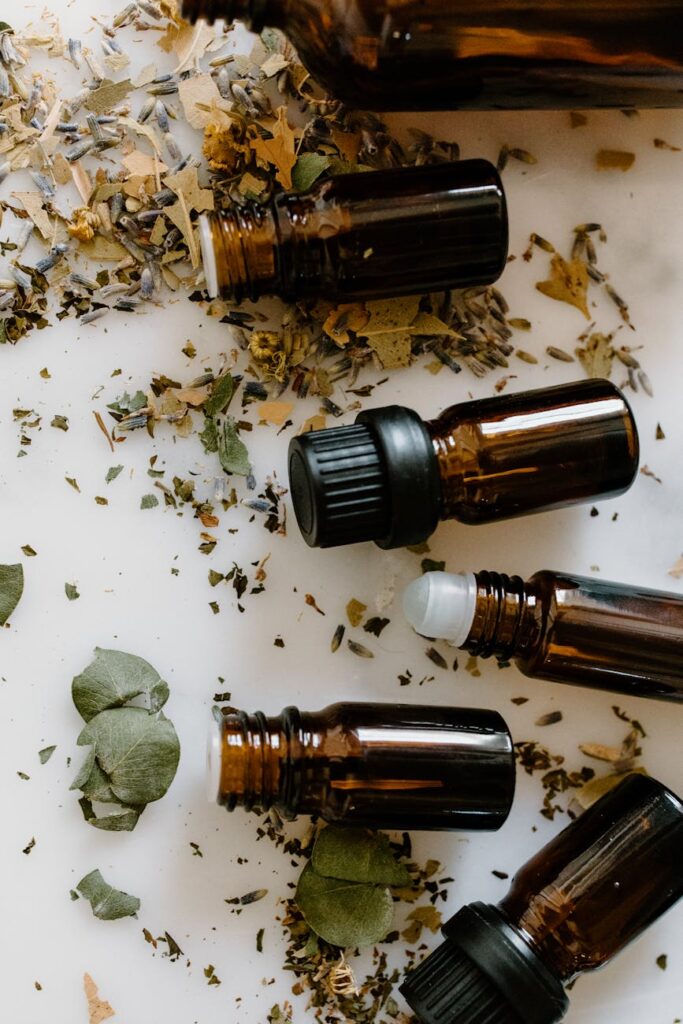
- Essential oils should be stored in dark glass bottles to protect them from light and heat, which can degrade their quality.
- Keep them in a cool, dry place away from direct sunlight.
Application: Diffuse in a room or apply topically to the chest and throat area (diluted with a carrier oil).
Calming Allergy Blend
Ingredients:
Application: Use in a personal inhaler for on-the-go relief or diffuse while relaxing at home.
Immune Support Blend
Ingredients:
Application: Diffuse in living spaces to enhance immune support and promote respiratory health.
Safety Considerations
While aromatherapy is generally considered safe, certain precautions should be taken to ensure a positive experience:
Skin Sensitivity
Essential oils are highly concentrated substances that can cause skin irritation or allergic reactions. Always perform a patch test before topical application and dilute essential oils with a carrier oil (e.g., jojoba, coconut, or sweet almond oil) to minimize the risk of irritation.
Inhalation Safety
When using essential oils in a diffuser, ensure proper ventilation in the space. Some individuals may be sensitive to specific scents, leading to headaches or respiratory discomfort.
Pregnancy and Nursing
Pregnant or nursing individuals should consult with a healthcare provider before using essential oils, as some may not be safe for use during these times.
Age Considerations
Caution is advised when using essential oils around infants or young children. Always consult a qualified practitioner for guidance on safe oils and appropriate use.
Storage and Shelf Life
Proper storage is crucial for maintaining the quality of essential oils. Here are some guidelines:
Storage Conditions
Shelf Life
Most essential oils have a shelf life of 1 to 3 years, depending on the type of oil and storage conditions. Citrus oils may have a shorter shelf life, while oils like sandalwood may last longer. It’s advisable to check for any changes in aroma or consistency before use.
Frequently Asked Questions
Can aromatherapy blends cure seasonal allergies?
Aromatherapy blends are not a cure for seasonal allergies; rather, they can provide relief from symptoms. It is essential to consult a healthcare professional for comprehensive allergy management.
Are there any essential oils to avoid for seasonal allergies?
Certain essential oils may trigger allergic reactions in some individuals. Oils like cinnamon and clove may be irritating, so it’s best to conduct a patch test or consult a professional before use.
How often can I use aromatherapy blends for seasonal allergies?
The frequency of use will depend on personal comfort and the method of application. It is generally safe to use essential oils multiple times daily; however, individual sensitivity and preferences should guide usage.
Can I mix different essential oils?
Yes, many individuals create custom blends by mixing various essential oils. Experimenting with different combinations can help find the most effective blend for individual needs.
Conclusion
The history and origins of aromatherapy blends for seasonal allergies reveal a fascinating journey through time, from ancient practices to modern applications. As we continue to explore the benefits and properties of essential oils, it is clear that these natural remedies can play a supportive role in managing allergy symptoms. With careful consideration of safety and usage, aromatherapy can be a valuable addition to one’s wellness toolkit, providing relief and enhancing quality of life during allergy seasons.