
History and Origins of Aromatherapy Blends for Seasonal Allergy Prevention
Introduction
Aromatherapy, the practice of using essential oils for therapeutic benefits, has roots that can be traced back thousands of years. Various cultures have harnessed the power of aromatic plants not only for their fragrance but also for their healing properties. One of the modern applications of aromatherapy is in the realm of seasonal allergy prevention. This article explores the historical context, key benefits, common uses, and practical applications of aromatherapy blends designed to alleviate symptoms associated with seasonal allergies.
What Is Aromatherapy Blends for Seasonal Allergy Prevention?
Aromatherapy blends for seasonal allergy prevention refer to specific combinations of essential oils formulated to help mitigate symptoms associated with allergic reactions, particularly those triggered by pollen, mold, and other environmental factors. These blends often include oils known for their anti-inflammatory, antihistamine, and soothing properties. While the concept of using aromatic plants to aid health is ancient, the systematic blending of oils for targeted purposes has evolved into a modern practice within holistic health and wellness.
Key Benefits and Properties
The essential oils commonly used in aromatherapy blends for seasonal allergy prevention possess various beneficial properties. Some of the key benefits include:
1. Anti-Inflammatory Properties: Oils like lavender and chamomile can help reduce inflammation in the respiratory system, which may alleviate discomfort caused by allergies.
2. Antihistamine Effects: Certain essential oils, such as peppermint and eucalyptus, have natural antihistamine properties, which can help relieve symptoms like sneezing and congestion.
3. Calming Effects: Seasonal allergies can lead to increased stress and anxiety. Oils like bergamot and frankincense are known for their calming effects, promoting relaxation during allergy flare-ups.
4. Immune Support: Essential oils like tea tree and oregano possess antimicrobial properties that may support the immune system, helping the body respond more effectively to allergens.
5. Air Purification: Some oils, such as lemon and cedarwood, are known for their ability to purify the air, providing a cleaner environment that may reduce the presence of allergens.
Common Uses
Aromatherapy blends for seasonal allergy prevention can be utilized in various ways, allowing individuals to choose the method that best suits their needs. Common uses include:
1. Diffusion: Adding a few drops of an allergy-preventive blend to a diffuser can help disperse the oils into the air, creating an aromatic environment that may alleviate symptoms.
2. Topical Application: Diluting essential oils in a carrier oil and applying them to pulse points or areas of discomfort can provide localized relief.
3. Inhalation: Direct inhalation of essential oils from a bottle or tissue can deliver immediate effects, making it a quick remedy for sudden allergy symptoms.
4. Baths: Adding essential oils to a warm bath can offer a soothing experience, allowing for relaxation while also benefiting from the oils’ properties.
5. Sprays: Creating a room or linen spray with essential oils can help purify the air and provide a pleasant scent, contributing to a more comfortable living space during allergy season.
Aromatherapy Applications
The application of aromatherapy for seasonal allergies can be categorized based on different delivery methods.
Diffusion
Using an essential oil diffuser, individuals can disperse the therapeutic properties of the oils throughout a space. This method is particularly beneficial for larger areas and can help create an aromatic environment conducive to relaxation and relief.
Topical Application
When applying essential oils topically, it is essential to dilute them with a carrier oil, such as jojoba or coconut oil. This not only helps prevent skin irritation but also enhances the absorption of the oils’ beneficial properties. Common areas for application include the chest, neck, and temples.
Steam Inhalation
Inhaling steam infused with essential oils can be particularly effective for respiratory symptoms. By adding a few drops of essential oil to a bowl of hot water and inhaling the steam, one can experience immediate relief from congestion and irritation.
Bathing
Adding essential oils to a warm bath can create a relaxing experience that benefits both the mind and body. This method allows for the oils to be absorbed through the skin while also providing aromatherapy through inhalation.
Aromatic Sprays
Creating a spray with essential oils can serve multiple purposes. It can be used to freshen up living spaces, linens, or even as a personal fragrance. When making a spray, it is crucial to mix the essential oils with water and a dispersant, like alcohol, to ensure even distribution.
Safety Considerations
While aromatherapy is generally considered safe, certain precautions should be taken. Here are some important safety considerations:
1. Dilution: Always dilute essential oils with a carrier oil before applying them to the skin. Undiluted oils can cause irritation or allergic reactions.
2. Patch Test: Conduct a patch test before using a new essential oil to check for allergic reactions. Apply a small amount of diluted oil to a small area of skin and wait 24 hours for any adverse reactions.
3. Consultation: Individuals with specific health conditions, pregnant or nursing women, and children should consult a qualified healthcare provider before using essential oils.
4. Quality of Essential Oils: Use high-quality, pure essential oils from reputable sources. Adulterated or synthetic oils may not provide the desired benefits and can pose health risks.
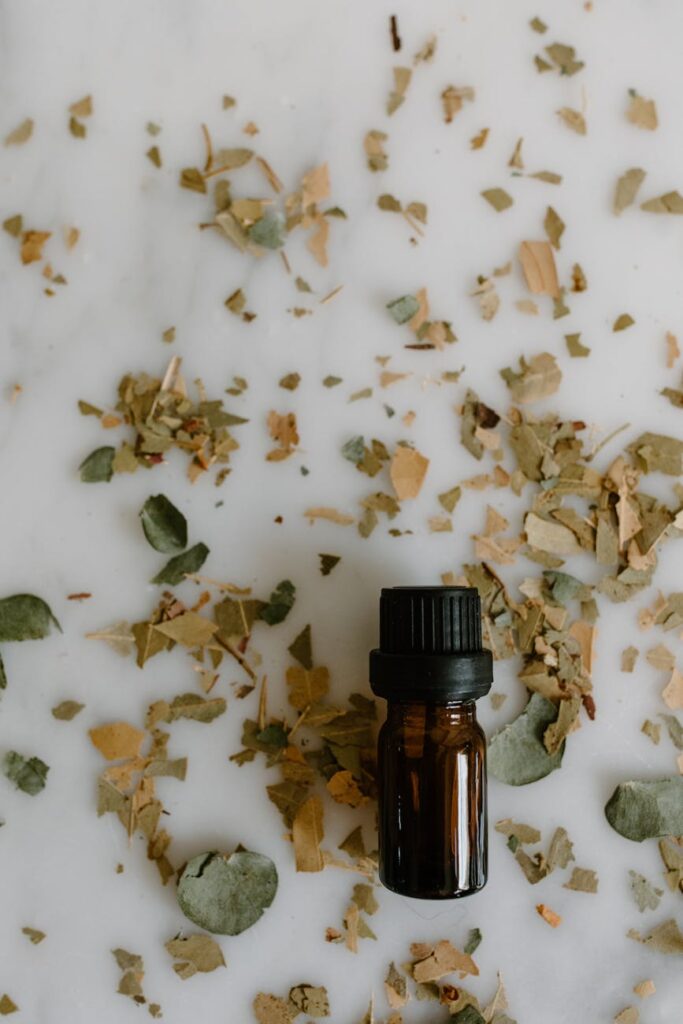
5. Storage: Essential oils should be stored in dark glass bottles away from heat and sunlight to maintain their efficacy.
Storage and Shelf Life
The shelf life of essential oils can vary based on their chemical composition, storage conditions, and exposure to light and air. Generally, citrus oils like lemon and orange have a shorter shelf life (about 1-2 years), while oils like patchouli and sandalwood can last up to 5 years or longer if stored properly.
To ensure longevity, store essential oils in a cool, dark place, preferably in brown or blue glass bottles that protect them from light. Always seal the bottles tightly to minimize exposure to air, which can cause oxidation and degradation of the oils.
Frequently Asked Questions
Can aromatherapy really help with seasonal allergies?
While many people find relief from using aromatherapy, its effectiveness can vary from person to person. Aromatherapy should be viewed as a complementary approach rather than a standalone treatment.
What essential oils are commonly used for seasonal allergies?
Common essential oils for seasonal allergies include eucalyptus, lavender, peppermint, chamomile, and lemon. Each oil has unique properties that may help alleviate different symptoms.
How can I incorporate aromatherapy into my daily routine?
You can incorporate aromatherapy by using a diffuser, applying diluted oils topically, inhaling directly, or adding oils to your bath. Experiment with different methods to find what works best for you.
Are there any side effects of using essential oils for allergies?
While essential oils are generally safe, some individuals may experience skin irritation or allergic reactions. Always perform a patch test and dilute oils before application.
Can essential oils replace my allergy medication?
Essential oils should not be seen as a replacement for prescribed medications. They can be used as a complementary method to help manage symptoms, but it is essential to consult a healthcare provider for any medical concerns.
Conclusion
The historical roots of aromatherapy provide a rich backdrop for understanding its contemporary applications, particularly in the realm of seasonal allergy prevention. With the right blends and methods, many individuals find comfort and relief through the use of essential oils. As interest in natural remedies continues to grow, the study and practice of aromatherapy will likely evolve, offering new insights and approaches to holistic health and wellness.