
History and Origins of Aromatherapy Blends for Seasonal Allergy Relief
Introduction
Aromatherapy, the therapeutic use of essential oils derived from plants, has roots that stretch back thousands of years. This ancient practice has evolved into a modern holistic approach to wellness, particularly in the context of seasonal allergies. Seasonal allergies, often triggered by pollen, mold, or dust, can cause discomfort and distress. This article delves into the history and origins of aromatherapy blends specifically crafted for seasonal allergy relief, exploring their properties, applications, and safety considerations.
What Is Aromatherapy Blends for Seasonal Allergy Relief?
Aromatherapy blends for seasonal allergy relief are mixtures of essential oils formulated to alleviate symptoms associated with allergies, such as nasal congestion, sneezing, and inflammation. These blends typically involve oils that possess anti-inflammatory, antihistamine, and soothing properties. The art of combining these oils is rooted in centuries of practice, utilizing the unique characteristics of each oil to create synergistic effects that can enhance overall well-being.
Key Benefits and Properties
The benefits of aromatherapy blends for seasonal allergy relief can be attributed to the intrinsic properties of essential oils. Here are some commonly used oils and their respective benefits:
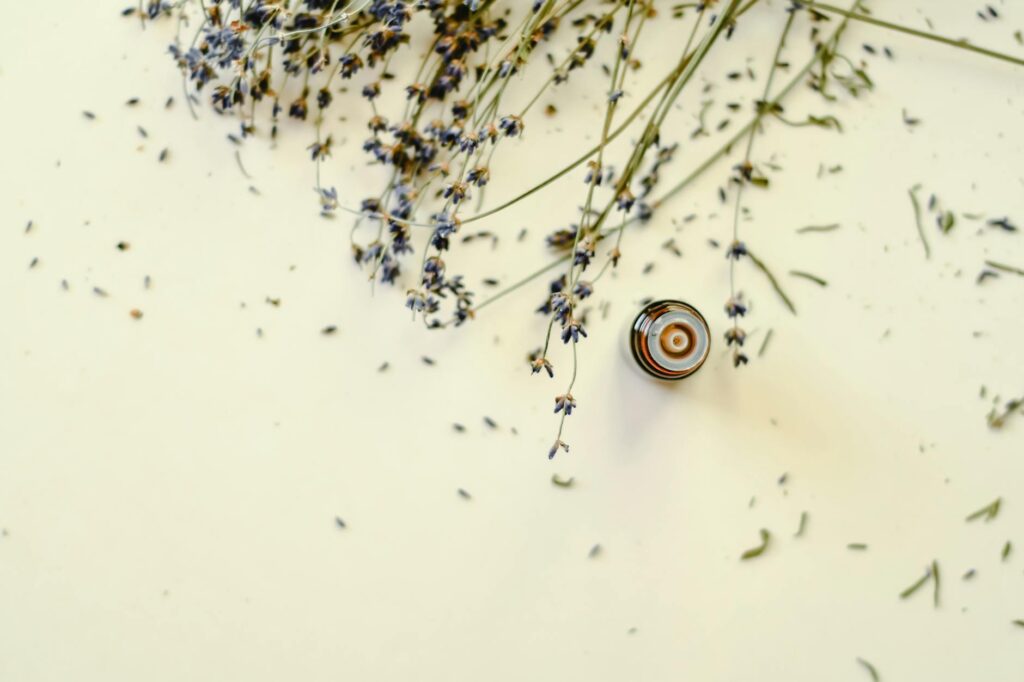
1. Lavender (Lavandula angustifolia): Known for its calming effects, lavender can help reduce stress and anxiety, which may exacerbate allergy symptoms. It also possesses anti-inflammatory properties.
2. Peppermint (Mentha piperita): This invigorating oil can help open airways and ease respiratory congestion. Its menthol component provides a cooling sensation that can soothe irritated tissues.
3. Eucalyptus (Eucalyptus globulus): Renowned for its decongestant properties, eucalyptus oil aids in clearing nasal passages and promoting easier breathing.
4. Tea Tree (Melaleuca alternifolia): With strong antiseptic and anti-inflammatory properties, tea tree oil can help combat infections that may arise from allergy-related irritations.
5. Lemon (Citrus limon): Lemon oil has uplifting properties and can support immune function, making it a suitable addition to allergy blends.
6. Chamomile (Matricaria chamomilla): Known for its soothing effects, chamomile can help calm inflammation and irritation associated with allergies.
These essential oils can work in harmony, creating a balanced blend that targets various symptoms of seasonal allergies.
Common Uses
Aromatherapy blends for seasonal allergy relief can be utilized in several ways:
- Diffusion: Essential oils can be diffused in a room to create an aromatic environment that promotes easier breathing and relaxation.
- Topical Application: Blends can be diluted with carrier oils and applied to pulse points or areas of discomfort. This method allows for localized relief.
- Inhalation: Inhaling the scent of essential oils directly from the bottle or through a tissue can provide immediate relief from nasal congestion.
- Baths: Adding essential oil blends to a warm bath can create a soothing experience that eases general discomfort associated with allergies.
- Patch Testing: Always perform a patch test before applying essential oils to the skin to check for allergic reactions or sensitivities.
- Dilution: Essential oils are highly concentrated and should always be diluted in a carrier oil for topical use to prevent skin irritation.
- Pregnancy and Nursing: Some essential oils are contraindicated during pregnancy or breastfeeding. It is advisable to consult with a healthcare professional before using essential oils in these situations.
- Children and Pets: Certain essential oils may not be suitable for young children or pets. Research or consult a professional regarding safe usage around children and animals.
- Health Conditions: Individuals with respiratory issues, skin conditions, or other health concerns should consult a healthcare professional before using essential oils.
- Dark Glass Containers: Essential oils should be stored in dark glass bottles to protect them from light exposure, which can degrade their quality.
- Cool, Dry Place: Store essential oils in a cool, dry environment, away from direct sunlight and heat sources.
- Shelf Life: The shelf life of essential oils varies depending on the type. Generally, citrus oils have a shorter shelf life (1-2 years), while oils like patchouli and sandalwood can last for several years if stored properly.
Aromatherapy Applications
The application of aromatherapy blends for seasonal allergy relief can vary based on individual preferences and needs. Here are some recommended methods:
Diffusion
Using an essential oil diffuser is one of the most effective ways to disperse the scent of essential oils throughout a space. This method allows for the inhalation of aromatic compounds, which can help clear nasal passages and promote relaxation.
Inhalation
For immediate relief, inhalation techniques can be employed. Simply place a few drops of your chosen blend on a cotton ball or tissue and inhale deeply. This method is particularly effective for those experiencing sudden allergy symptoms.
Topical Application
When applying essential oils topically, it is essential to dilute them in a carrier oil, such as coconut or jojoba oil, to prevent skin irritation. A typical dilution ratio is 2-3 drops of essential oil per teaspoon of carrier oil. Apply the blend to areas such as the chest or wrists for effective relief.
Bath Soaks
Creating a relaxing bath with essential oils can be a therapeutic experience. To use essential oils in a bath, mix a few drops of the chosen blend with a carrier oil or Epsom salts before adding it to warm water. This method allows for both inhalation and skin absorption, providing comprehensive relief.
Safety Considerations
While aromatherapy is generally considered safe, certain precautions should be taken, especially for individuals with specific sensitivities or health conditions:
Storage and Shelf Life
Proper storage of essential oils is crucial to maintaining their efficacy and extending their shelf life. Here are some guidelines:
Frequently Asked Questions
Can aromatherapy blends cure seasonal allergies?
While aromatherapy blends may alleviate some symptoms associated with seasonal allergies, they are not a cure. It is essential to consult healthcare professionals for comprehensive allergy management.
How often can I use aromatherapy blends for seasonal allergies?
The frequency of use depends on individual sensitivity and response. It is advisable to start with small amounts and increase gradually while monitoring for any adverse effects.
Are there any essential oils I should avoid for allergy relief?
Certain essential oils may cause adverse reactions in sensitive individuals. Oils like clove or cinnamon can be irritating to the skin and should be used with caution. Always perform a patch test.
Can I combine different essential oils?
Yes, blending essential oils can enhance their therapeutic benefits. However, it is crucial to research the properties of each oil and ensure they complement each other.
Is aromatherapy safe for children?
While some essential oils can be safely used around children, others are contraindicated. Always consult with a healthcare professional for recommendations tailored to specific age groups.
Conclusion
The historical significance of aromatherapy blends for seasonal allergy relief highlights the enduring connection between nature and wellness. With roots in ancient practices, these blends continue to offer support for individuals seeking relief from the discomfort caused by allergies. By understanding the properties, applications, and safety considerations, individuals can make informed choices about incorporating aromatherapy into their wellness routines. As with any holistic practice, it is essential to approach aromatherapy with mindfulness and respect for the natural world.