
History and Origins of Aromatherapy Blends for Seasonal Mood Adjustment
Introduction
Aromatherapy, the practice of using essential oils to enhance physical and emotional well-being, has a rich history that spans across cultures and centuries. Among its various applications, the use of aromatherapy blends for seasonal mood adjustment stands out as a particularly relevant practice in today’s fast-paced world. Seasonal changes can significantly affect mood and overall mental health, and aromatherapy offers a natural approach to navigating these fluctuations. This article delves into the historical roots of aromatherapy blends, their formulation, and their role in supporting emotional balance throughout the seasons.
What Is Aromatherapy Blends for Seasonal Mood Adjustment?
Aromatherapy blends for seasonal mood adjustment consist of carefully selected essential oils combined to create a synergistic effect that aims to stabilize mood, alleviate seasonal affective disorder (SAD), and promote emotional well-being. These blends utilize the therapeutic properties of essential oils, which are extracted from various parts of plants, including flowers, leaves, bark, and roots.
The practice of using these oils to influence mood can be traced back to ancient civilizations, where fragrance played a crucial role in rituals, healing, and daily life. In modern times, this holistic approach has gained popularity as a complementary method to support emotional health, particularly during the transitional periods of the year.
Key Benefits and Properties
Aromatherapy blends for seasonal mood adjustment can provide numerous psychological benefits. Some of the key properties and effects of essential oils commonly used in these blends include:
1. Uplifting and Energizing: Citrus oils, such as bergamot and sweet orange, are known for their uplifting qualities, helping to combat feelings of lethargy and sadness often associated with seasonal changes.
2. Calming and Grounding: Oils like lavender and frankincense can induce a sense of calm and relaxation, reducing anxiety and emotional turmoil.
3. Balancing and Stabilizing: Essential oils like geranium and ylang-ylang are believed to help balance emotions and stabilize mood swings.
4. Invigorating and Refreshing: Peppermint and eucalyptus oils can invigorate the senses, providing mental clarity and focus, perfect for the sluggish feelings that can accompany certain seasons.
By combining these essential oils in specific proportions, aromatherapy blends can be tailored to address individual emotional needs throughout the year.
Common Uses
The common uses of aromatherapy blends for seasonal mood adjustment can be categorized based on the seasons:
- Spring: As nature begins to bloom, blends that include uplifting citrus oils can help combat feelings of fatigue and promote motivation.
- Summer: Refreshing and invigorating blends, often incorporating mint or eucalyptus, can help maintain energy levels and enhance mood during the often hot and humid months.
- Autumn: Blends containing grounding oils such as cedarwood and vetiver can assist in embracing change and preparing for the introspective months ahead.
- Winter: In the colder months, blends that feature warm and comforting oils like clove and cinnamon can provide emotional warmth and comfort during shorter days.
Aromatherapy Applications
Aromatherapy blends can be employed in various applications, allowing individuals to choose methods that best suit their lifestyle:
1. Diffusion: Using an essential oil diffuser allows the aroma to spread throughout a room, creating an inviting atmosphere that can elevate mood and promote relaxation.
2. Topical Application: Blends can be diluted with carrier oils and applied to pulse points, such as wrists and neck, allowing for personal wear that accompanies the user throughout the day.
3. Bath Soaks: Adding a few drops of aromatherapy blends to bathwater can create a soothing experience, promoting relaxation and emotional clarity.
4. Inhalation: Simply inhaling directly from a bottle or applying a few drops to a cotton ball can provide immediate mood enhancement.
5. Room Sprays: Blending essential oils with water in a spray bottle can create a refreshing room spray, promoting a positive atmosphere in any environment.
Safety Considerations
While aromatherapy is generally safe for most individuals when used appropriately, several safety considerations should be kept in mind:
1. Dilution: Essential oils are highly concentrated and should be diluted with carrier oils when applied to the skin to prevent irritation.
2. Allergic Reactions: Individuals should conduct a patch test prior to extensive use to ensure no allergic reactions occur.
3. Consultation: Pregnant or nursing individuals, as well as those with underlying health conditions, should consult a healthcare professional before using essential oils.
4. Quality of Oils: It is crucial to use high-quality, pure essential oils from reputable sources to ensure safety and efficacy.
5. Avoiding Sensitive Areas: Essential oils should not be applied near the eyes, mucous membranes, or on broken skin.
Storage and Shelf Life
Proper storage of essential oils is essential to maintain their potency and aroma. Here are some guidelines:
1. Storage Conditions: Essential oils should be kept in a cool, dark place, away from direct sunlight and heat sources, which can degrade their quality.
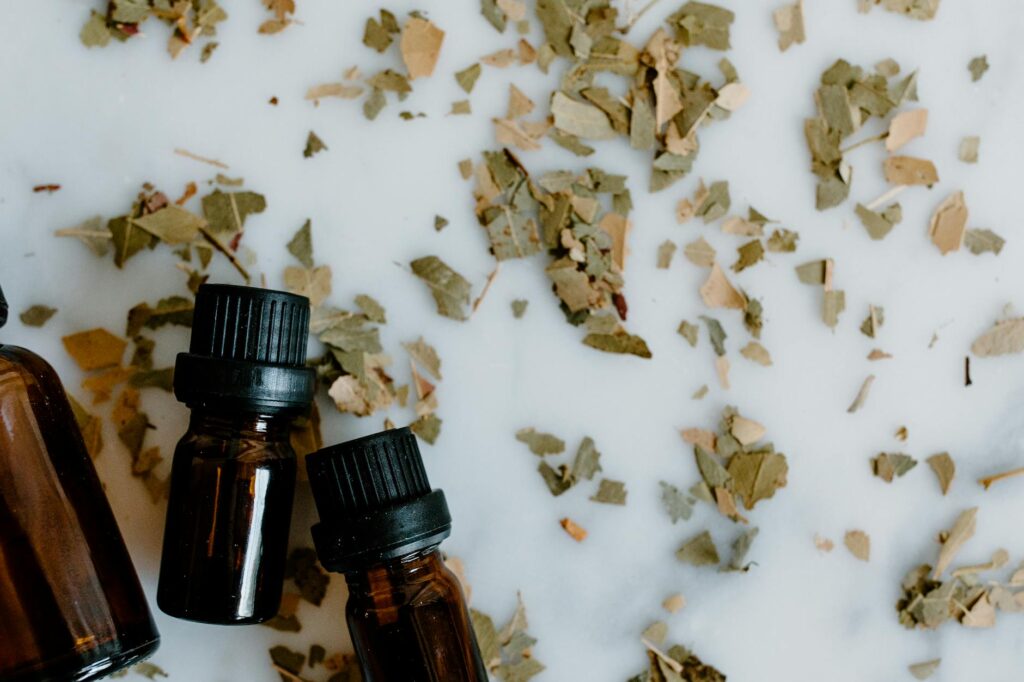
2. Containers: Amber or cobalt glass bottles are ideal for storing essential oils, as they help protect the oils from light exposure.
3. Shelf Life: Most essential oils have a shelf life of 1-3 years, although some oils, like citrus, may have a shorter shelf life. Always check for any changes in color, scent, or consistency before use.
Frequently Asked Questions
1. Can aromatherapy blends completely eliminate mood swings?
While aromatherapy can be a supportive tool for emotional well-being, it is not a substitute for professional mental health treatment. It can complement other forms of therapy but should not be relied upon as the sole solution.
2. Are there specific blends recommended for seasonal affective disorder (SAD)?
Blends that include uplifting oils such as bergamot, lemon, and rosemary may be beneficial for individuals experiencing SAD. However, it is essential to consult with a healthcare professional for personalized recommendations.
3. How do I know which essential oils to choose for my mood?
Selecting essential oils often depends on personal preferences and emotional needs. Exploring different oils and their properties can help individuals find blends that resonate with them.
4. Can children use aromatherapy blends?
Aromatherapy can be beneficial for children, but essential oils should be heavily diluted and used with caution. Always consult with a pediatrician or qualified aromatherapist before introducing essential oils to children.
5. How often can I use aromatherapy blends?
Individuals can use aromatherapy blends as often as needed, provided they follow safety guidelines regarding dilution and application methods. Listening to one’s body and adjusting usage accordingly is vital.
Conclusion
The history and origins of aromatherapy blends for seasonal mood adjustment reveal a fascinating interplay between nature, culture, and emotional well-being. As we navigate the challenges of changing seasons, these blends offer a holistic approach to enhancing mood and promoting emotional balance. By understanding their benefits, applications, and safe usage, individuals can harness the power of aromatherapy to enrich their lives throughout the year.