
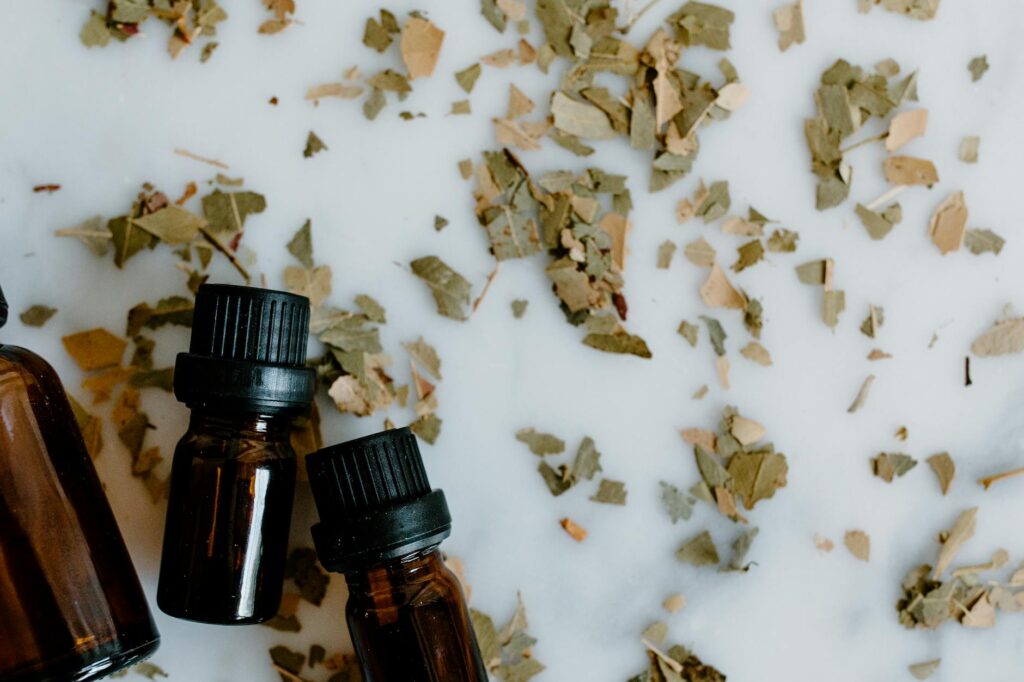
History and Origins of Aromatherapy Blends for Seasonal Mood Improvement
Introduction
Aromatherapy has a rich and varied history, deeply rooted in ancient practices and cultures. The use of essential oils to influence mood and enhance wellbeing has been documented for thousands of years, spanning various civilizations from the Egyptians to the Greeks and beyond. This article delves into the historical context of aromatherapy, particularly focusing on seasonal mood improvement, and explores the origins of specific blends that have been crafted to elevate emotional states during different times of the year.
What Is Aromatherapy Blends for Seasonal Mood Improvement?
Aromatherapy blends are mixtures of essential oils derived from plants, designed to promote physical, emotional, and psychological well-being. Seasonal mood improvement blends specifically target the emotional fluctuations that individuals may experience during transitional times of the year, such as winter, spring, summer, and fall.
The concept is grounded in the idea that certain scents can evoke specific emotional responses, helping to alleviate feelings of anxiety, sadness, or lethargy that may be exacerbated by seasonal changes. The blends often incorporate oils that are known for their uplifting, calming, or energizing properties, allowing individuals to tailor their experiences according to the seasons.
Key Benefits and Properties
The benefits of aromatherapy blends for mood improvement are numerous, with a variety of essential oils contributing unique properties:
1. Emotional Balance: Oils such as lavender and bergamot are known for their calming effects, helping to reduce stress and anxiety levels.
2. Energizing Effects: Citrus oils like lemon and orange are celebrated for their uplifting qualities, often employed to combat feelings of fatigue and lethargy commonly associated with winter months.
3. Grounding and Centering: Woodsy oils such as cedarwood and sandalwood are often used in blends aimed at creating a sense of stability and grounding, particularly during tumultuous seasonal transitions.
4. Cognitive Clarity: Essential oils like rosemary and peppermint are believed to enhance mental clarity and focus, making them ideal for stimulating productivity during the spring and summer months.
5. Sleep Support: Blends that include chamomile or ylang-ylang can promote restful sleep, addressing issues that may arise due to seasonal anxiety or disrupted routines.
Common Uses
Aromatherapy blends for seasonal mood improvement can be employed in various ways, allowing individuals to integrate them into their daily routines seamlessly:
- Diffusion: Using an essential oil diffuser is one of the most common methods, dispersing the aroma throughout a room to create an uplifting or calming atmosphere.
- Topical Application: Blending essential oils with carrier oils (such as jojoba or sweet almond oil) allows for safe application on the skin. This method is often used for localized treatment or personal fragrance.
- Inhalation: Simply inhaling essential oils directly from the bottle or from a cotton ball can provide immediate mood enhancement, making it a practical option for on-the-go use.
- Bathing: Adding essential oils to bathwater can create a relaxing and aromatic experience, helping to alleviate stress and enhance mood during colder months.
- Massage: Incorporating aromatherapy blends into massage therapy can enhance relaxation and promote emotional well-being through both touch and scent.
- Citrus Oils: Such as sweet orange and lemon, known for their refreshing and uplifting scents.
- Spices: Oils like cinnamon and clove can provide warmth and comfort, promoting a sense of coziness.
- Evergreen Oils: Such as pine or fir, which can evoke feelings of freshness and renewal, reminiscent of winter landscapes.
- Floral Oils: Such as jasmine and geranium, which can evoke feelings of joy and rejuvenation.
- Herbal Oils: Like basil and rosemary, known for their stimulating properties that can enhance focus and clarity.
- Citrus and Mint Oils: Such as grapefruit and peppermint, which can invigorate and refresh the mind and body.
- Light Floral Oils: Like lavender and neroli, offering a calming balance to the high energy of summer.
- Woodsy Oils: Such as cedarwood and sandalwood, fostering feelings of stability and grounding.
- Warm Spices: Like nutmeg and cardamom, which can create a cozy atmosphere during the transition into colder months.
- Dilution: Always dilute essential oils before applying them to the skin to prevent irritation. A typical dilution ratio is 2-3 drops of essential oil per tablespoon of carrier oil.
- Allergies: Conduct a patch test before using a new oil to check for allergic reactions.
- Pregnancy and Nursing: Certain essential oils may not be safe for use during pregnancy or while nursing. It is advisable to consult a healthcare professional.
- Children and Pets: Some essential oils can be harmful to young children and pets. Ensure that any blends are appropriate for household members.
- Cool, Dark Place: Essential oils should be stored in a cool, dark place, away from direct sunlight and heat, which can degrade their properties.
- Tightly Sealed Containers: Always ensure that bottles are tightly sealed to prevent oxidation.
- Shelf Life: Most essential oils have a shelf life of 1-3 years, depending on the type. Citrus oils may have a shorter shelf life, while oils like sandalwood may last longer when stored correctly.
Aromatherapy Applications
Different seasons often call for specific essential oils, each chosen for their unique properties that resonate with the mood shifts associated with that time of year:
Winter Blends
During winter, many individuals experience seasonal affective disorder (SAD), characterized by low energy and a lack of motivation. Blends for this season may include:
Spring Blends
As the world begins to bloom, feelings of renewal and optimism often accompany the arrival of spring. Blends during this season may feature:
Summer Blends
Summer often brings vibrant energy and outdoor activities. Blends for this season might include:
Fall Blends
As the leaves change and the air cools, fall can bring about a sense of reflection and preparation for winter. Suitable blends may encompass:
Safety Considerations
While aromatherapy is generally regarded as safe when used correctly, there are important safety considerations to keep in mind:
Storage and Shelf Life
Proper storage of essential oils is crucial to maintaining their efficacy and quality:
Frequently Asked Questions
1. What are essential oils?
Essential oils are concentrated plant extracts obtained through various methods, such as steam distillation or cold pressing. They capture the plant’s fragrance and therapeutic properties.
2. How do I choose the right blend for my mood?
Choosing an aromatherapy blend often depends on personal preferences and emotional needs. Experimenting with different oils and blends can help you identify what resonates with you.
3. Can I make my own aromatherapy blends?
Yes, creating your own blends can be a rewarding experience. Start with a base of carrier oil and add a few drops of your preferred essential oils, adjusting until you find a scent combination that you enjoy.
4. Are there any contraindications for using essential oils?
Yes, certain health conditions and medications may interact with essential oils. It’s essential to do thorough research or consult with a knowledgeable practitioner before using aromatherapy if you have concerns.
5. How can I incorporate aromatherapy into my daily routine?
Aromatherapy can be seamlessly integrated into daily life through diffusion, topical application, or even while enjoying a warm bath. Finding personal rituals can enhance your overall experience.
In conclusion, the history and origins of aromatherapy blends for seasonal mood improvement showcase a fascinating interplay between nature and human emotion. By understanding the properties of essential oils and their applications, individuals can harness the power of aromatherapy to navigate the emotional landscapes of the changing seasons. As the world continues to evolve, the ancient practice of aromatherapy remains a relevant and enriching tool for enhancing our well-being.