
History and Origins of Aromatherapy Blends for Seasonal Mood Regulation
Introduction
Aromatherapy, the practice of using essential oils to promote physical and psychological well-being, has roots that extend back thousands of years across various cultures. As the seasons change, many individuals find their mood and energy levels fluctuating. Aromatherapy blends specifically designed for seasonal mood regulation have emerged as a popular tool to address these changes. This article explores the history and origins of these blends, their benefits, common uses, applications, safety considerations, and more.
What Is Aromatherapy Blends for Seasonal Mood Regulation?
Aromatherapy blends for seasonal mood regulation consist of carefully selected essential oils that are combined to elicit specific emotional responses. These blends are usually tailored to address common seasonal challenges, such as the winter blues or springtime allergies. The practice relies on the biochemical properties of essential oils, which can influence the limbic system—the part of the brain involved in emotions.
Historically, various cultures have harnessed the power of nature’s aromatic plants to enhance mood and well-being. The art of blending different essential oils to create specific outcomes is a practice refined over centuries, drawing on principles from traditional medicine, folklore, and modern scientific research.
Key Benefits and Properties
The primary benefits of aromatherapy blends for seasonal mood regulation include:
1. Emotional Balance: Certain essential oils are known to promote feelings of calmness or upliftment, helping to stabilize mood swings.
2. Stress Reduction: Many oils possess calming properties that can alleviate stress and anxiety, which often intensify with seasonal changes.
3. Energy Enhancement: Some blends are formulated to invigorate and energize, counteracting feelings of lethargy that can accompany darker, colder months.
4. Support for Sleep: Aromatherapy can also aid in improving sleep quality, which may be disrupted during seasonal transitions.
5. Holistic Approach: Aromatherapy blends offer a natural alternative to synthetic mood regulators, appealing to those seeking a holistic approach to well-being.
Notable Essential Oils and Their Properties
1. Lavender (Lavandula angustifolia): Known for its calming effects, lavender is often used to reduce anxiety and promote relaxation.
2. Citrus Oils (e.g., Sweet Orange, Lemon): These oils are generally uplifting, helping to brighten moods and enhance energy levels.
3. Peppermint (Mentha piperita): Often used for its invigorating scent, peppermint can help clear the mind and increase focus.
4. Bergamot (Citrus bergamia): This oil is known for its ability to reduce feelings of stress and depression while also providing a refreshing aroma.
5. Frankincense (Boswellia carterii): Traditionally used in spiritual practices, frankincense is believed to promote feelings of peace and relaxation.
Common Uses
Aromatherapy blends for seasonal mood regulation can be utilized in various contexts, including:
- Diffusion: Using an essential oil diffuser to disperse aromatic molecules into the air, creating an uplifting atmosphere.
- Topical Application: Diluted blends can be applied to the skin, particularly on pulse points, to deliver immediate benefits.
- Bathing: Adding essential oils to bathwater can create a luxurious experience that promotes relaxation and mood enhancement.
- Inhalation: Deep inhalation of essential oils from a tissue or cotton ball can provide quick relief from stress or fatigue.
- Dilution: Essential oils should always be diluted before topical application to reduce the risk of skin irritation. A common dilution ratio is 2-3 drops of essential oil per teaspoon of carrier oil.
- Allergies and Sensitivities: Individuals should be aware of potential allergic reactions. Conducting a patch test before widespread use is advisable.
- Pregnancy and Nursing: Certain essential oils may not be safe during pregnancy or while nursing. Consultation with a knowledgeable practitioner is recommended.
- Medical Conditions: Individuals with specific medical conditions should exercise caution and consult with a healthcare provider before using essential oils.
- Pets: Some essential oils can be harmful to pets, particularly cats and dogs. It is essential to research which oils are safe for household animals.
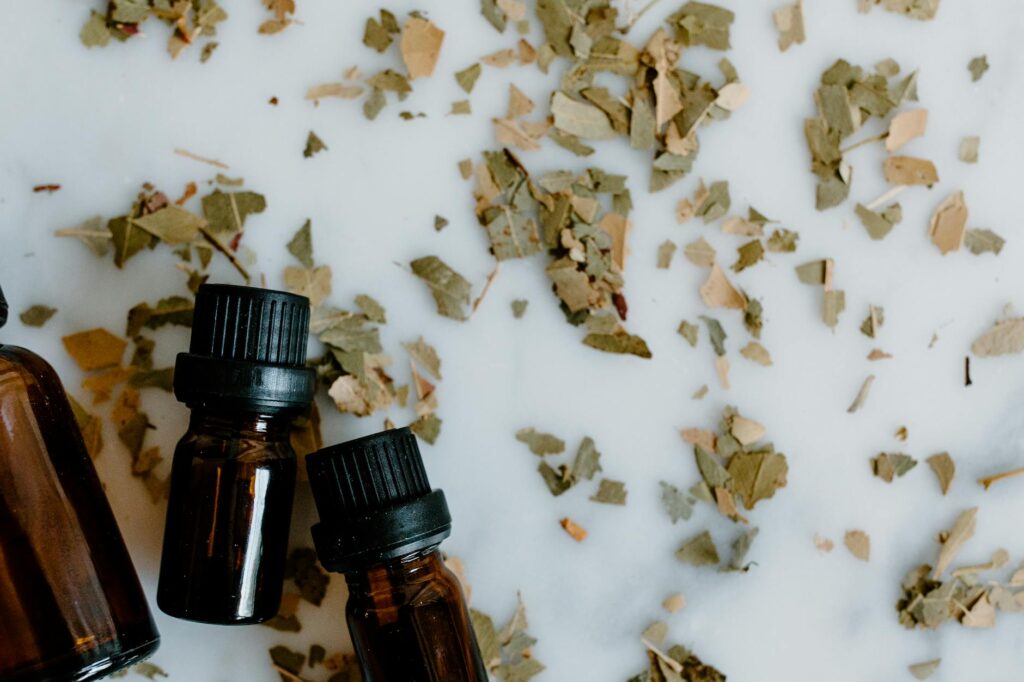
- Dark Glass Containers: Essential oils should be stored in dark glass bottles to protect them from light, which can degrade their quality.
- Cool, Dry Place: Oils should be kept in a cool, dry environment, away from heat and humidity.
- Shelf Life: The shelf life of essential oils can vary. Citrus oils tend to have a shorter shelf life (around 1-2 years), while oils like sandalwood and patchouli can last for many years if stored properly.
Aromatherapy Applications
The application of aromatherapy blends can vary based on individual needs and preferences. Here are some popular methods:
1. Diffusion
Essential oil diffusers disperse tiny particles of oil into the air, allowing individuals to inhale the beneficial compounds. This method is particularly effective for creating a welcoming environment that can enhance mood and promote relaxation.
2. Massage
Incorporating essential oils into massage oil can provide both physical and emotional benefits. The combination of touch and aroma can deepen relaxation and help alleviate tension.
3. Personal Inhalers
Portable inhalers allow individuals to carry their favorite mood-boosting blends with them, providing on-the-go support for emotional well-being.
4. Room Sprays
Creating a room spray with essential oils can be an effective way to refresh a space while promoting a desired emotional state.
5. Aromatherapy Jewelry
Wearing jewelry designed for aromatherapy, such as necklaces or bracelets with absorbent materials, allows individuals to enjoy the benefits of essential oils throughout the day.
Safety Considerations
While aromatherapy is generally considered safe, there are important safety considerations to keep in mind:
Storage and Shelf Life
Proper storage of essential oils is crucial for maintaining their effectiveness and safety. Here are some tips:
Frequently Asked Questions
1. Can aromatherapy replace traditional medicine?
Aromatherapy is best used as a complementary approach to traditional medical treatments. It should not be considered a substitute for medical care, especially for serious conditions.
2. How do I choose the right blend for my mood?
Selecting the right blend often depends on individual preferences and needs. Experimenting with different essential oils can help identify which scents resonate most positively with you.
3. Are there specific blends recommended for seasonal affective disorder (SAD)?
Blends that include uplifting oils like citrus, peppermint, and lavender may be particularly beneficial for individuals experiencing SAD. However, it’s essential to consult with a professional for personalized advice.
4. How often can I use aromatherapy blends?
The frequency of use can vary based on individual comfort and response. Many people find that daily use, whether through diffusion or topical application, is effective for maintaining emotional balance.
5. Can children use aromatherapy blends?
Certain essential oils can be used safely with children, but it is crucial to dilute them appropriately and consult a healthcare provider for guidance.
Conclusion
Aromatherapy blends for seasonal mood regulation offer a natural and holistic approach to managing emotional well-being throughout the year. With a rich history rooted in ancient practices, these blends harness the power of essential oils to promote balance and harmony in daily life. By understanding their benefits, applications, and safety considerations, individuals can make informed choices about incorporating aromatherapy into their seasonal wellness routines.