
History and Origins of Aromatherapy Blends for Seasonal Mood Support Techniques
Introduction
Aromatherapy is a holistic healing practice that utilizes the aromatic properties of essential oils derived from plants to enhance psychological and physical well-being. Among its many applications, seasonal mood support is one of the most sought-after benefits. As seasons change, so too can our emotional and mental states. This article will explore the history and origins of aromatherapy blends for seasonal mood support, delving into their properties, applications, and safety considerations.
What Is Aromatherapy Blends for Seasonal Mood Support Techniques?
Aromatherapy blends consist of carefully curated combinations of essential oils, each selected for its unique properties and effects. Seasonal mood support refers to the use of these blends to help alleviate mood fluctuations that often accompany seasonal changes. For instance, many individuals experience seasonal affective disorder (SAD) during the winter months when daylight is scarce. In contrast, the arrival of spring might invigorate energy levels, and summer can bring about feelings of joy and vitality.
The traditional practice of aromatherapy dates back thousands of years to ancient civilizations, including the Egyptians, Greeks, and Chinese, who used aromatic oils for various purposes, including religious rituals, medicinal practices, and cosmetic applications. The modern concept of aromatherapy gained traction in the 20th century, thanks in large part to the work of French chemist René-Maurice Gattefossé, who coined the term “aromatherapy.”
Key Benefits and Properties
Aromatherapy blends for seasonal mood support harness the therapeutic properties of essential oils. Each oil possesses unique characteristics that can influence emotional well-being:
- Lavender: Known for its calming properties, lavender essential oil can help alleviate anxiety and promote relaxation.
- Bergamot: This citrus oil is often associated with uplifting moods and reducing stress.
- Peppermint: Invigorating and refreshing, peppermint can help combat fatigue and boost energy levels.
- Cedarwood: With grounding properties, cedarwood oil may assist in creating a sense of stability and comfort.
- Ylang Ylang: This floral oil is celebrated for its ability to inspire joy and ease feelings of sadness.
- Winter Blues Blend: A combination of cedarwood, bergamot, and lavender can help combat feelings of sadness and promote warmth and comfort during the colder months.
- Spring Renewal Blend: A refreshing mix of lemon, peppermint, and ylang ylang can invigorate the senses and encourage feelings of renewal and joy as the days grow longer.
- Summer Vitality Blend: A blend of grapefruit, rosemary, and lavender can uplift mood and energize the spirit during the bright and lively summer months.
- Autumn Transition Blend: A mix of sandalwood, cinnamon, and orange can create a comforting atmosphere, helping to ease the transition into the cooler, darker months.
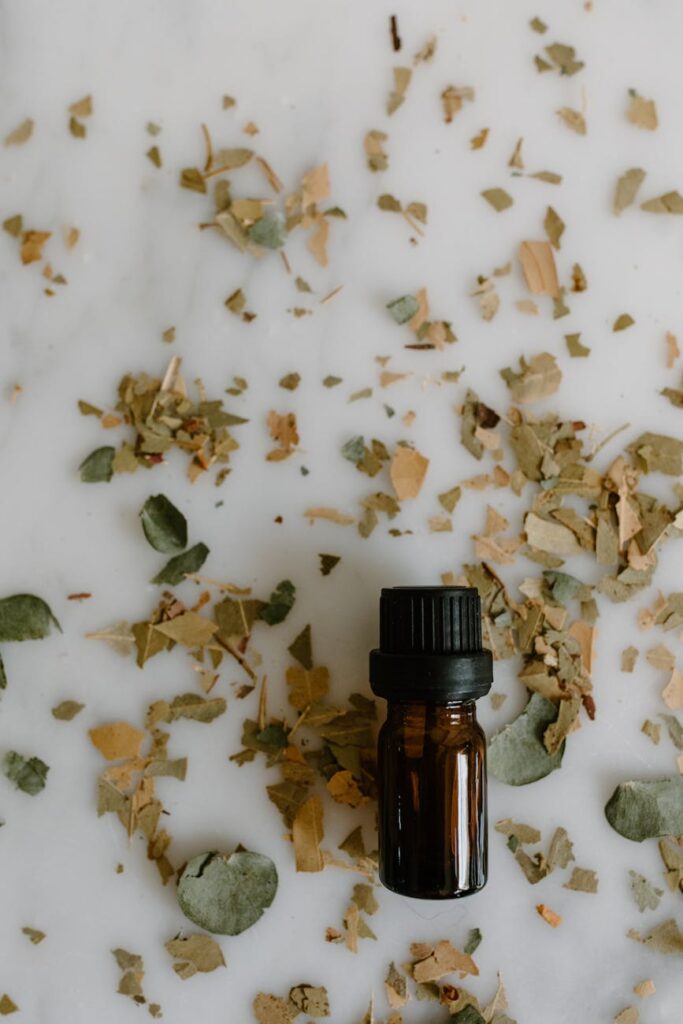
- Storage: Keep essential oils in a cool, dark place, away from direct sunlight and heat sources. Dark glass bottles are ideal for preserving the oils’ properties.
- Shelf Life: The shelf life of essential oils varies; most oils can last from 1 to 3 years. However, citrus oils may have a shorter shelf life due to their volatile nature. Regularly check for changes in smell, color, or consistency, which may indicate that an oil has gone rancid.
These essential oils can be blended in various combinations to create tailored solutions for specific seasonal mood challenges.
Common Uses
Aromatherapy blends for seasonal mood support can be employed in various contexts. Some common applications include:
1. Diffusion: Using an essential oil diffuser disperses the oil’s aroma into the air, allowing for inhalation and creating a calming or invigorating atmosphere.
2. Topical Application: Blending essential oils with carrier oils such as coconut or jojoba oil allows for safe application on the skin. This method can promote relaxation or energy, depending on the oils used.
3. Bath Soaks: Adding essential oils to bathwater can create a soothing experience, helping to alleviate stress and promote emotional balance.
4. Inhalation: Simply inhaling essential oils directly from the bottle or through a cotton ball can provide immediate mood support.
5. Candles and Potpourri: Incorporating essential oils into homemade candles or potpourri can enhance the sensory experience in your living space.
Aromatherapy Applications
Aromatherapy blends can be tailored to meet the emotional needs associated with seasonal changes. Here are a few examples:
Safety Considerations
While aromatherapy is generally regarded as safe, it is essential to follow specific safety guidelines to ensure a positive experience:
1. Dilution: Always dilute essential oils with a carrier oil before applying them to the skin. This helps prevent irritation and sensitization.
2. Patch Testing: Conduct a patch test on a small area of skin to check for allergic reactions or sensitivities before widespread use.
3. Pregnancy and Nursing: Consult with a healthcare provider before using essential oils during pregnancy or while nursing.
4. Children and Pets: Some essential oils can be harmful to children and pets. Use caution and seek guidance on which oils are safe for specific age groups and animal species.
5. Quality of Oils: Choose high-quality, pure essential oils from reputable sources. Adulterated or synthetic oils may not provide the desired benefits and can cause adverse reactions.
Storage and Shelf Life
Proper storage of essential oils is crucial for maintaining their efficacy and longevity. Here are some guidelines:
Frequently Asked Questions
1. Can anyone use aromatherapy blends for seasonal mood support?
While many people can benefit from aromatherapy, it is essential to consider individual sensitivities, allergies, and health conditions. Consultation with a healthcare provider is recommended for those with specific concerns.
2. How can I create my own aromatherapy blends?
Creating your own blends involves selecting essential oils based on their properties and desired effects. Start with a few drops of each oil and adjust the ratios to achieve a harmonious balance. Always remember to dilute the blend with a carrier oil before applying it topically.
3. How often can I use aromatherapy blends?
The frequency of use largely depends on individual preference and the specific oils used. It is generally safe to use aromatherapy blends daily, but moderation is key. Listen to your body and adjust usage as needed.
4. Are there any contraindications for specific essential oils?
Yes, certain essential oils may have contraindications. For example, oils like eucalyptus and peppermint should be used with caution around young children. Research and consult reliable sources to ensure safe use.
5. Can aromatherapy replace traditional therapies for mood disorders?
Aromatherapy can be a valuable complementary approach but should not replace conventional therapies for mood disorders. It is essential to work with healthcare professionals to develop a comprehensive treatment plan.
Conclusion
The history and origins of aromatherapy blends for seasonal mood support are rich and varied, reflecting humanity’s enduring relationship with plants and their therapeutic properties. As we navigate the changing seasons, these blends can offer solace and support, helping to align our emotional well-being with the natural rhythms of the world around us. By understanding their benefits, applications, and safety considerations, individuals can harness the power of aromatherapy to enhance their seasonal experiences.