
History and Origins of Aromatherapy Blends for Seasonal Mood Support
Introduction
Aromatherapy, the therapeutic use of plant-derived essential oils, has been practiced for thousands of years across various cultures. Among its many applications, the use of aromatherapy blends for seasonal mood support has become increasingly popular in contemporary wellness practices. This article explores the rich history and origins of these blends, their key benefits, common uses, and safety considerations, providing a comprehensive understanding of how aromatherapy can enhance emotional well-being throughout the changing seasons.
What Is Aromatherapy Blends for Seasonal Mood Support?
Aromatherapy blends for seasonal mood support typically comprise essential oils selected for their uplifting, calming, or balancing properties. These blends are designed to correspond with the emotional challenges that individuals may face during different seasons—such as the blues of winter, the irritability of spring allergies, or the fatigue of summer heat. By employing the principles of aromatherapy, individuals can harness the therapeutic properties of essential oils to promote emotional equilibrium and enhance overall mood.
Key Benefits and Properties
Essential oils possess various chemical constituents that contribute to their therapeutic effects. Some of the key benefits of aromatherapy blends for seasonal mood support include:
1. Emotional Balance: Certain essential oils like lavender and bergamot are known for their calming properties, helping to reduce feelings of anxiety and stress.
2. Mood Enhancement: Citrus oils such as lemon and sweet orange can uplift mood and energize the spirit, making them ideal for combating seasonal lethargy.
3. Stress Relief: Oils like chamomile and frankincense may help alleviate feelings of tension and promote a sense of relaxation.
4. Cognitive Support: Essential oils such as rosemary and peppermint can enhance mental clarity and focus, which may be beneficial during times of seasonal transition.
5. Physical Well-being: Many essential oils also offer physical benefits, such as soothing minor aches or supporting respiratory health, which can contribute to overall emotional well-being.
Common Uses
Aromatherapy blends for seasonal mood support can be used in various ways, depending on individual preferences and circumstances. Some common uses include:
1. Diffusion: Using an essential oil diffuser to disperse aromatic compounds into the air is a popular method. This allows individuals to enjoy the benefits of the oils while creating a calming atmosphere.
2. Topical Application: Blending essential oils with a carrier oil for massage or localized application can provide both emotional and physical benefits.
3. Inhalation: Direct inhalation of essential oils from the bottle or via a personal inhaler can offer immediate mood enhancement and relaxation.
4. Bathing: Adding essential oils to bathwater can create a serene environment, allowing for deep relaxation and stress relief.
5. Potpourri and Home Fragrance: Incorporating essential oils into potpourri or using them in candles can provide ongoing aromatherapy benefits in the home environment.
Aromatherapy Applications
The application of aromatherapy blends for seasonal mood support can vary significantly based on the specific needs of the individual and the particular season. Here are some tailored suggestions for different seasons:
Spring
As the season of renewal, spring may bring allergies and irritability. Essential oils like eucalyptus and peppermint can help clear the airways, while citrus oils can uplift the mood.
Summer
With longer days and increased heat, summer can lead to fatigue. Essential oils such as lavender and chamomile can promote relaxation, while invigorating scents like grapefruit can energize and refresh.
Autumn
As the days shorten, many experience feelings of sadness or anxiety. Blends that include grounding oils like cedarwood and vetiver can provide comfort, while warm spices like cinnamon can evoke a sense of warmth and coziness.
Winter
Winter often brings about feelings of isolation and melancholy. Essential oils such as frankincense and myrrh can offer spiritual support, while uplifting oils like sweet orange can help combat the winter blues.
Safety Considerations
While aromatherapy is generally considered safe, there are several important safety considerations to keep in mind:
1. Dilution: Essential oils should be diluted with carrier oils when applied to the skin to prevent irritation or allergic reactions.
2. Quality of Oils: The purity and quality of essential oils can vary significantly between brands. It is advisable to use high-quality, therapeutic-grade oils to ensure safety and effectiveness.
3. Allergies and Sensitivities: Individuals should conduct a patch test before using a new essential oil to check for allergic reactions.
4. Pregnancy and Nursing: Pregnant or nursing individuals should consult a healthcare professional before using essential oils, as some oils may not be safe during these times.
5. Children and Pets: Certain essential oils can be harmful to children and pets. It is crucial to research and use oils that are safe for these populations or to consult with a knowledgeable practitioner.
Storage and Shelf Life
Proper storage of essential oils is critical to maintaining their potency and effectiveness. Here are some guidelines for storage:
1. Cool, Dark Place: Essential oils should be stored in a cool, dark environment, away from direct sunlight and heat sources.
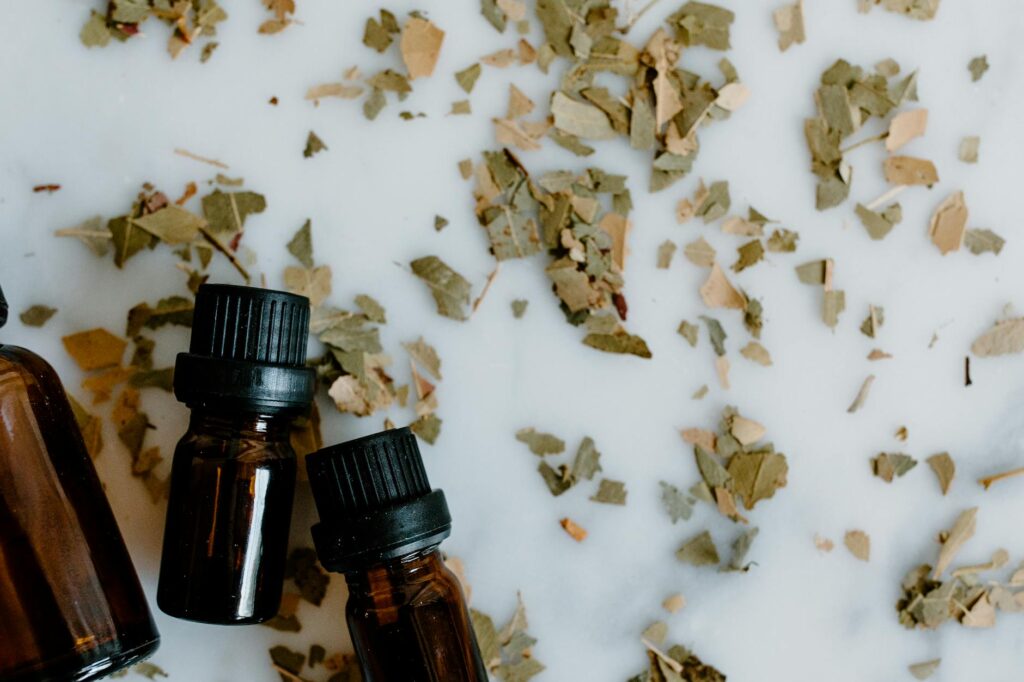
2. Sealed Containers: Always keep essential oils in tightly sealed, dark glass containers to prevent oxidation and degradation.
3. Shelf Life: The shelf life of essential oils can vary, but most oils last about 1 to 3 years when stored correctly. Citrus oils may have a shorter shelf life, while oils such as sandalwood can last longer.
4. Labeling: Clearly label each bottle with the name of the oil and the date of purchase to keep track of freshness.
Frequently Asked Questions
What are the best essential oils for seasonal mood support?
Common essential oils for seasonal mood support include lavender, bergamot, sweet orange, eucalyptus, and frankincense. Each oil has unique properties that can help address different emotional states.
How do I create my own aromatherapy blend for mood support?
To create your own blend, select a few essential oils that resonate with your desired emotional outcome. For example, if you want to uplift your mood, you might combine citrus oils with a grounding oil like vetiver. Always dilute your blend with a carrier oil before topical application.
Can aromatherapy replace professional mental health treatment?
Aromatherapy can complement traditional mental health treatments but should not be seen as a replacement for professional care. It is essential to consult with a healthcare provider for any serious mental health concerns.
How long should I diffuse essential oils for mood support?
Diffusing essential oils for 30 to 60 minutes at a time can be effective for mood enhancement. It is advisable to take breaks between diffusion sessions to prevent sensory overload.
Are there any essential oils to avoid during pregnancy?
Certain essential oils, such as rosemary, sage, and jasmine, are often advised against during pregnancy. Always consult with a healthcare provider before using essential oils if you are pregnant or nursing.
Conclusion
Aromatherapy blends for seasonal mood support offer a rich tapestry of benefits rooted in ancient practices and contemporary wellness trends. Understanding the history, properties, and applications of these blends can empower individuals to take proactive steps toward emotional well-being. By integrating aromatherapy into daily routines, individuals can navigate the emotional challenges brought on by seasonal changes, creating a more balanced and harmonious life.