
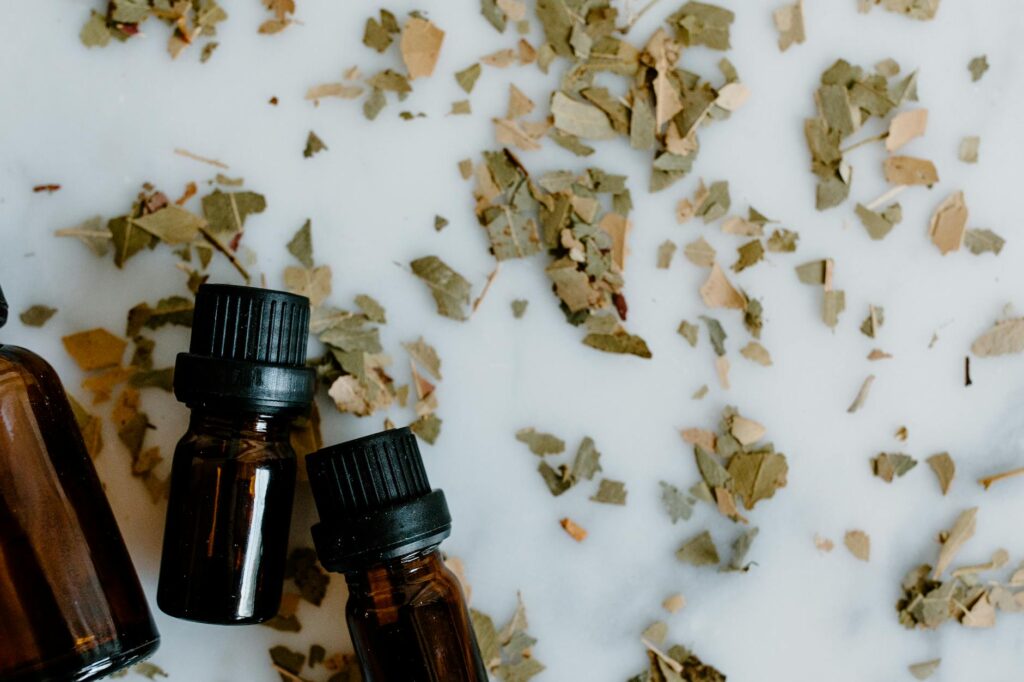
History and Origins of Aromatherapy Blends for Seasonal Transition Support
Introduction
Aromatherapy, the practice of using essential oils extracted from plants to enhance physical and emotional well-being, has deep historical roots that span across cultures and centuries. One of the less explored areas in aromatherapy is the use of specific blends designed for seasonal transitions. As the seasons change, our bodies and minds often require different forms of support. This article delves into the history and origins of these blends, their benefits, applications, and considerations for safe use.
What Is Aromatherapy Blends for Seasonal Transition Support?
Aromatherapy blends for seasonal transition support are carefully formulated combinations of essential oils tailored to assist individuals in adapting to the shifts in environmental conditions, such as temperature changes, humidity levels, and daylight variations. These blends typically incorporate oils known for their uplifting, calming, or grounding properties, helping to promote balance and stability during times of flux.
Historical Context
Historically, various civilizations utilized aromatic plants and oils for therapeutic and spiritual purposes. The ancient Egyptians employed essential oils in their religious rituals and for embalming, while the Greeks and Romans embraced aromatherapy for its health benefits. In traditional Chinese medicine, aromatic herbs were often used to harmonize the body with seasonal changes. The historical precedent for addressing seasonal shifts through aromatic means is well-established, paving the way for modern practices.
Key Benefits and Properties
The benefits of aromatherapy blends for seasonal transitions can be both physical and emotional. Some of the key properties of essential oils used in these blends include:
1. Mood Enhancement: Essential oils such as bergamot and ylang-ylang can uplift spirits, making them ideal for transitions into darker months or during spring when allergies may arise.
2. Stress Relief: Oils like lavender and chamomile are known for their calming effects, helping to ease anxiety that may come with seasonal changes.
3. Immune Support: Certain oils, such as eucalyptus and tea tree, possess antimicrobial properties that may help support the body’s defenses during seasonal transitions.
4. Respiratory Relief: Blends containing peppermint or eucalyptus can assist in clearing the airways, particularly beneficial in spring and fall when allergens are prevalent.
5. Energy Boost: Citrus oils, such as lemon and grapefruit, can invigorate the senses and provide a natural energy lift, ideal for combating seasonal lethargy.
Common Uses
Aromatherapy blends for seasonal transitions can be used in various contexts, including:
- Diffusion: Adding a few drops of a blend to a diffuser can fill a room with comforting aromas, helping to create a pleasant atmosphere.
- Topical Application: When diluted with a carrier oil, these blends can be applied to pulse points, such as wrists and temples, to experience their effects directly.
- Baths: Incorporating essential oils into bathwater can provide both physical and emotional soothing during seasonal changes.
- Inhalation: Directly inhaling the scent from a bottle or a cotton ball can also provide immediate benefits.
- Diffusion: Using an electric or candle diffuser can help disperse the essential oils into the air, allowing for a broader reach in a room.
- Inhalers: Portable inhaler sticks filled with essential oil blends can be a convenient way to carry the benefits of aromatherapy with you.
- Massage: Diluting essential oils in a carrier oil for a massage can enhance physical sensations, providing both relaxation and emotional support.
- Potpourri: Incorporating essential oils into potpourri can add a pleasant aroma to home environments, creating a sense of seasonal ambiance.
- Dilution: Essential oils should be diluted with a carrier oil when applied topically to prevent skin irritation.
- Allergies: Conduct a patch test before widespread use to ensure no allergic reactions occur.
- Pregnancy and Medical Conditions: Pregnant individuals, nursing mothers, and those with certain medical conditions should consult with a healthcare provider before using essential oils.
- Quality of Oils: Use high-quality, pure essential oils from reputable sources to avoid synthetic additives that could cause adverse reactions.
- Containers: Store essential oils in dark glass bottles to protect them from light degradation.
- Temperature: Keep oils in a cool, dry place away from direct sunlight and heat sources.
- Shelf Life: Most essential oils have a shelf life of 1 to 3 years, but this can vary. Citrus oils generally have a shorter lifespan, while oils like sandalwood may last longer.
Aromatherapy Applications
Seasonal Transition Blends
1. Spring Awakening Blend: Often composed of citrus oils (like lemon and grapefruit) along with floral oils (like lavender), this blend is designed to invigorate the senses and uplift mood as winter gives way to spring.
2. Summer Soother Blend: This blend may include cooling oils like peppermint and eucalyptus, providing relief from heat and promoting a sense of calm amid summer activities.
3. Autumn Balance Blend: Typically featuring warm and earthy oils like cedarwood and frankincense, this blend helps ground and stabilize emotions as the days grow shorter.
4. Winter Warmth Blend: Comprised of comforting oils such as cinnamon and clove, this blend aims to create a cozy atmosphere during the coldest months.
Application Methods
Safety Considerations
While aromatherapy is generally considered safe, there are important precautions to take:
Storage and Shelf Life
Proper storage of essential oils is vital to maintain their efficacy. Here are some guidelines:
Frequently Asked Questions
1. How do I choose the right blend for my needs?
Selecting a blend often depends on personal preference and specific emotional or physical needs. Experimenting with different oils and observing how they make you feel can be helpful.
2. Can children use aromatherapy blends?
Yes, but it’s essential to use child-safe oils and to dilute them appropriately. Always consult with a pediatrician for specific recommendations.
3. Can I use essential oils if I have pets?
While many essential oils are safe for pets, some can be toxic. It’s advisable to research which oils are safe and consult a veterinarian for guidance.
4. How often can I use aromatherapy blends?
The frequency of use depends on individual preference and sensitivity. Generally, using a blend a few times a day is acceptable, but always listen to your body.
5. Can I create my own blends?
Absolutely! Experimenting with different essential oils can lead to personalized blends that cater to your specific needs and preferences.
Conclusion
Aromatherapy blends for seasonal transition support offer a fascinating glimpse into the intersection of nature and well-being. With a rich history and a wide range of applications, these blends continue to evolve while remaining rooted in tradition. By understanding the origins, benefits, and safe use of these blends, individuals can harness the power of essential oils to navigate the changing seasons with grace and resilience. Whether diffused, inhaled, or applied topically, the right blend can provide the support needed to thrive through nature’s cycles.