
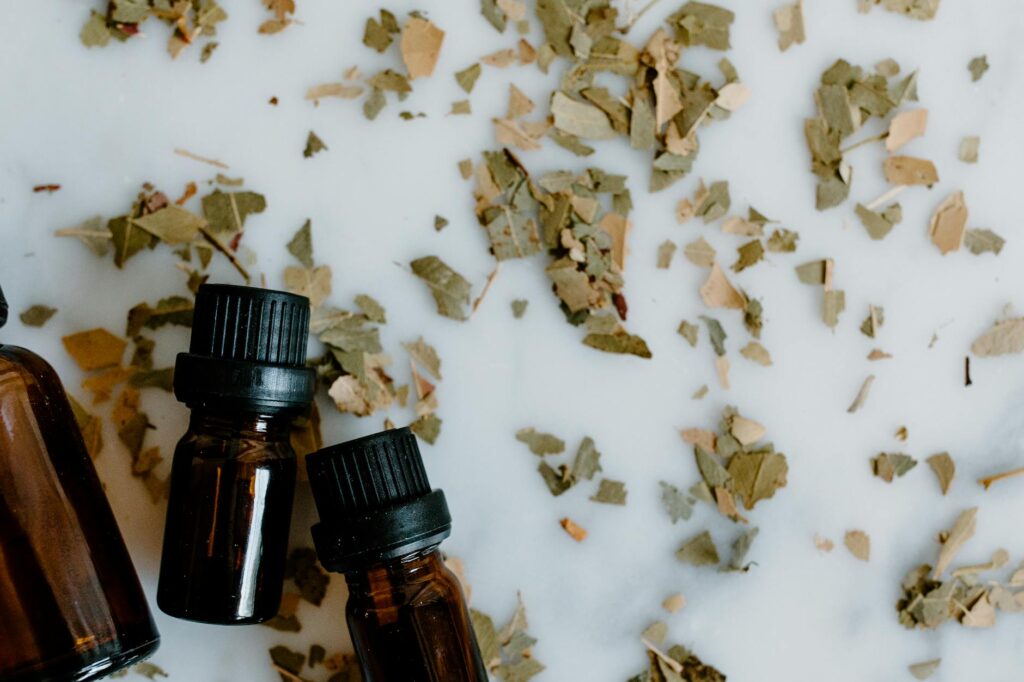
History and Origins of Aromatherapy Blends for Seasonal Transitions Support
Introduction
Aromatherapy has become increasingly popular in recent years, with individuals looking for natural ways to enhance their well-being. One fascinating area of this practice is the use of essential oil blends specifically designed to support individuals during seasonal transitions. These transitions, such as moving from winter to spring or summer to autumn, can have profound effects on mood, energy levels, and overall health. Understanding the history and origins of these aromatherapy blends provides valuable insight into their significance and applications.
What Is Aromatherapy Blends for Seasonal Transitions Support?
Aromatherapy blends for seasonal transitions support are combinations of essential oils formulated to help individuals cope with the physical and emotional changes that accompany seasonal shifts. Each season brings unique challenges, whether it be the lethargy of winter, the renewal of spring, the heat of summer, or the cooling down of autumn. These blends often consist of oils that can invigorate, calm, or balance the mind and body, facilitating a smoother transition between seasons.
Historically, different cultures have utilized plant-derived substances for therapeutic purposes, laying the groundwork for modern aromatherapy. Ancient Egyptians, Greeks, and Chinese were among the first to recognize the benefits of aromatic plants, often using them in religious rituals, medicine, and beauty regimens.
Key Benefits and Properties
Aromatherapy blends for seasonal transitions possess various benefits that cater to the emotional and physical needs during these periods. Understanding the properties of common essential oils used in these blends is essential for appreciating their effects:
1. Emotional Balance: Essential oils like lavender and chamomile are known for their calming properties, making them ideal for those experiencing anxiety or mood swings during seasonal changes.
2. Energy and Vitality: Citrus oils such as lemon and orange can uplift spirits and provide an energizing effect, particularly beneficial during winter months when energy levels may plummet.
3. Immune Support: Some blends include oils like eucalyptus or tea tree, known for their antibacterial and antiviral properties, helping to support the immune system during times of seasonal illness.
4. Respiratory Health: Oils such as peppermint and frankincense can help clear airways and promote easier breathing, especially important during allergy season in spring and fall.
5. Adaptogenic Qualities: Certain oils are believed to help the body adapt to stressors, aiding in overall resilience during transitions.
Common Uses
Aromatherapy blends for seasonal transitions can be employed in various ways, depending on personal preferences and circumstances:
- Diffusion: One of the most popular methods, using a diffuser allows the essential oils to disperse into the air, creating an aromatic environment that enhances mood and relaxation.
- Topical Application: Blends can be diluted with carrier oils and applied to the skin, targeting specific areas for relief or support. This method is often favored for localized benefits.
- Baths: Adding essential oils to bathwater can provide a soothing experience, making it an excellent way to unwind during stressful seasonal changes.
- Inhalation: Simply inhaling the scent from the bottle or a cotton ball can have immediate effects on emotional well-being, making it an accessible option for on-the-go support.
- Massage: Incorporating aromatherapy blends into massage therapy can enhance relaxation and alleviate muscle tension, particularly during seasonal transitions when stress levels may rise.
- Ingredients: Lemon, Lavender, Peppermint
- Purpose: To uplift mood and energize the body as winter ends and spring begins.
- Ingredients: Grapefruit, Rosemary, Tea Tree
- Purpose: To invigorate the spirit and support the immune system during the hot summer months.
- Ingredients: Cinnamon, Clove, Orange
- Purpose: To provide warmth and comfort as temperatures begin to drop.
- Ingredients: Frankincense, Eucalyptus, Bergamot
- Purpose: To promote breathability and emotional balance during the colder months.
- Cool and Dark Place: Store oils in a cool, dark location to prevent degradation from light and heat.
- Tightly Sealed Containers: Ensure that bottles are tightly closed to prevent oxidation.
- Check Expiration Dates: Essential oils can have varying shelf lives, typically ranging from 1 to 5 years, depending on the type. Regularly check for any signs of degradation, such as changes in color or scent.
Aromatherapy Applications
Aromatherapy blends for seasonal transitions can be customized based on individual needs and preferences. Here are a few popular blends tailored for specific seasonal changes:
Spring Awakening Blend
Summer Refresh Blend
Autumn Comfort Blend
Winter Resilience Blend
Safety Considerations
While aromatherapy is generally considered safe for most individuals, it is essential to follow specific safety guidelines:
1. Dilution: Essential oils should typically be diluted in a carrier oil before topical application to prevent irritation.
2. Skin Sensitivity: Conduct a patch test prior to full application, especially for those with sensitive skin or allergies.
3. Pregnancy and Nursing: Some essential oils are not recommended for use during pregnancy or while nursing. It is vital to consult with a healthcare professional in these cases.
4. Children and Pets: Certain oils can be harmful to children or pets. Always research specific oils for safety if they will be around.
5. Quality of Oils: Not all essential oils are created equal. It is essential to source high-quality, therapeutic-grade oils from reputable suppliers.
Storage and Shelf Life
Proper storage of essential oils is crucial for maintaining their efficacy:
Frequently Asked Questions
1. Can aromatherapy really help with seasonal transitions?
While individual experiences may vary, many people find that aromatherapy can provide emotional and physical support during seasonal changes. The aromatic properties can influence mood, energy levels, and overall well-being.
2. How do I choose the right essential oil blend for my needs?
Consider your emotional and physical responses to seasonal changes. Research the properties of various essential oils and select those that resonate with your specific needs.
3. Are there any contraindications for using essential oils?
Yes, certain essential oils may cause allergic reactions or interact with medications. Always consult a healthcare professional if you have concerns, especially if pregnant, nursing, or taking medication.
4. Can I create my own aromatherapy blends?
Absolutely! Experimenting with different essential oils can be a rewarding experience. Start with small batches and keep notes on what combinations work best for you.
5. How often should I use aromatherapy blends for seasonal support?
Usage can vary based on individual preference. Some may benefit from daily application, while others may use them as needed. Listen to your body and adjust accordingly.
Conclusion
The history and origins of aromatherapy blends for seasonal transitions support are deeply rooted in ancient practices that recognized the healing potential of aromatic plants. As society continues to embrace natural remedies, the use of essential oil blends offers a holistic approach to navigating the emotional and physical challenges that accompany changing seasons. With an understanding of their benefits, applications, and safety considerations, individuals can make informed choices on how to integrate these blends into their daily lives for enhanced well-being.