
History and Origins of Aromatherapy Blends for Seasonal Wellness Support
Introduction
Aromatherapy, the art and science of utilizing essential oils for therapeutic benefits, has deep-rooted historical significance that dates back thousands of years. As cultures across the globe discovered the power of plant extracts, they began to use them not only for their fragrant properties but also for their potential contributions to overall wellness. In particular, the concept of creating specific blends tailored for seasonal wellness support has gained traction in recent years, reflecting an evolving understanding of how essential oils can influence mood, immunity, and emotional balance during different times of the year.
What Is Aromatherapy Blends for Seasonal Wellness Support?
Aromatherapy blends for seasonal wellness support are carefully curated combinations of essential oils designed to address specific needs that arise during various seasons. These needs may include stress relief in the winter months, respiratory support during spring allergies, or energizing blends for the summer heat. The goal of these blends is to harness the natural properties of essential oils to promote well-being and balance as the seasons change.
These blends may consist of single oils, such as lavender, eucalyptus, or peppermint, combined in specific ratios to create synergistic effects. The selection of oils often depends on their historical use, chemical composition, and the desired outcomes, making each blend unique and tailored to seasonal challenges.
Key Benefits and Properties
The benefits of aromatherapy blends for seasonal wellness are numerous, influenced largely by the properties of the individual essential oils used. Some key benefits include:
1. Emotional Support: Certain essential oils are known for their uplifting or calming properties. For example, citrus oils like lemon and sweet orange can boost mood and energy levels, while oils like chamomile and frankincense may promote relaxation.
2. Respiratory Health: Seasonal changes often bring about shifts in air quality and allergens. Oils such as eucalyptus, tea tree, and peppermint can be beneficial for respiratory support, helping to clear airways and ease breathing.
3. Immunity Boost: Essential oils like oregano, thyme, and clove are renowned for their antimicrobial properties, which can be particularly helpful during colder months when colds and flu are more prevalent.
4. Skin Care: Seasonal transitions can affect skin health, leading to dryness in the winter or increased oiliness in the summer. Oils such as tea tree, lavender, and geranium can assist with various skin concerns.
5. Sleep Enhancement: The change in seasons can disrupt sleep patterns. Calming oils like lavender, bergamot, and ylang-ylang may help to improve sleep quality and promote relaxation.
Common Uses
Aromatherapy blends for seasonal wellness can be used in various applications, including:
- Diffusion: Adding essential oil blends to a diffuser can disperse their aromatic properties into the air, enhancing the ambiance of a space while promoting respiratory and emotional benefits.
- Topical Application: Diluting essential oils with carrier oils allows for safe topical use. Common areas for application include pulse points, chest, and the back of the neck.
- Baths: Incorporating essential oils into baths can create a soothing experience, providing both emotional and physical relaxation.
- Inhalation: Inhaling essential oils directly from the bottle or from a tissue can deliver immediate benefits, especially for respiratory issues.
- Household Products: Many people add essential oil blends to cleaning products or make their own natural sprays, benefiting from the antimicrobial properties of the oils while enjoying their scents.
- Ingredients: Eucalyptus, peppermint, orange, and cedarwood
- Uses: Diffusing during cold and flu season to support respiratory health and uplift mood.
- Ingredients: Lemon, lavender, and rosemary
- Uses: Diffusing to promote clarity and energy, while also helping alleviate allergy symptoms.
- Ingredients: Peppermint, grapefruit, and basil
- Uses: Inhalation or diffusion to invigorate and refresh during the hot months, combating fatigue.
- Ingredients: Cinnamon, clove, and sweet orange
- Uses: Used in candles or diffusers to create a warm, cozy atmosphere during the fall season.
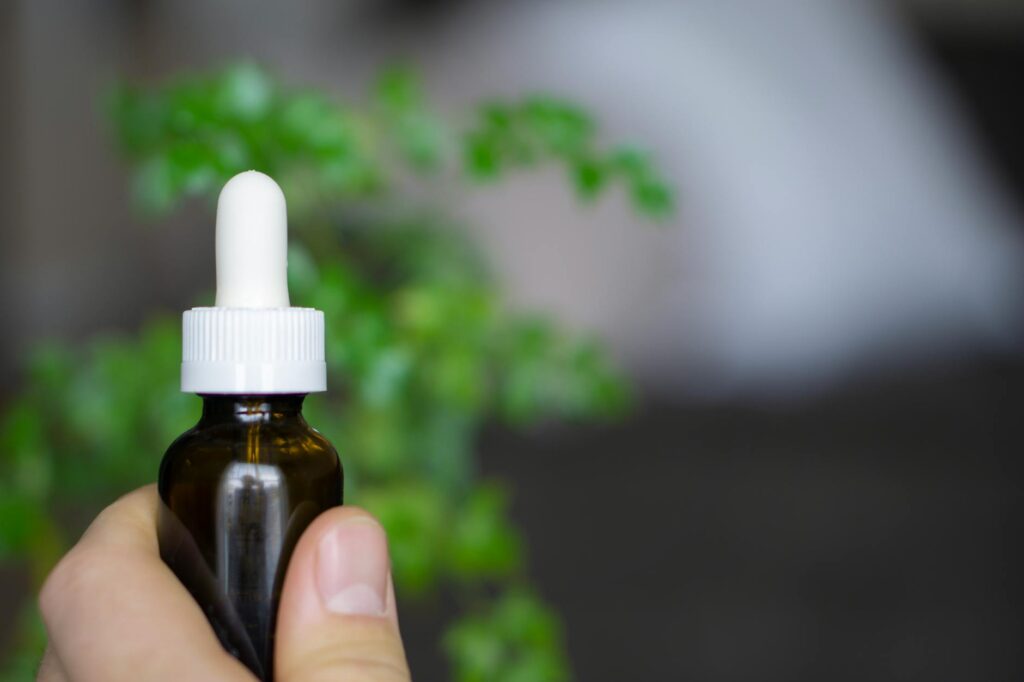
- Containers: Essential oils should be stored in dark glass bottles to protect them from light, which can degrade their quality.
- Temperature: Keep oils in a cool, dry place, away from direct sunlight and heat sources.
- Shelf Life: The shelf life of essential oils varies by type. Generally, citrus oils have a shorter shelf life (about 1-2 years), while others like sandalwood and patchouli can last up to 10 years or more if stored correctly.
Aromatherapy Applications
The application of aromatherapy blends can be tailored to individual needs and preferences. Here are some popular seasonal blends and their intended uses:
Winter Wellness Blend
Spring Renewal Blend
Summer Refresh Blend
Autumn Comfort Blend
When creating your own blends, it is essential to consider the properties of each oil and how they interact with one another to achieve the desired effects.
Safety Considerations
While aromatherapy offers numerous benefits, it is essential to approach its use with caution. Some safety considerations include:
1. Dilution: Essential oils are highly concentrated and should always be diluted with a carrier oil when applied topically to prevent skin irritation.
2. Allergies: Individuals may have sensitivities or allergies to specific essential oils. Conducting a patch test before full application is advisable.
3. Pregnancy and Nursing: Certain oils are contraindicated during pregnancy or breastfeeding. Consulting a qualified professional is recommended.
4. Medical Conditions: Individuals with underlying health conditions or those taking medications should seek guidance before using essential oils, as some may interact with conventional treatments.
5. Quality of Oils: The quality of essential oils varies significantly. It is essential to choose oils from reputable sources that provide information on purity and extraction methods.
Storage and Shelf Life
Proper storage of essential oils is crucial to maintain their potency and effectiveness. Here are some guidelines:
Regularly check for changes in scent or appearance, as these may indicate that the oil has gone rancid or degraded.
Frequently Asked Questions
1. Can anyone use aromatherapy blends?
While many people can safely use aromatherapy blends, individuals with allergies, pregnant women, and those with specific medical conditions should consult a healthcare professional before use.
2. How do I choose the right blend for the season?
Consider your specific needs and preferences. Research the properties of various essential oils and their historical uses to create a blend that resonates with your seasonal challenges.
3. Are there any essential oils I should avoid?
Yes, some essential oils, such as wintergreen, camphor, and certain citrus oils, can be harmful in high doses or may cause adverse reactions in specific individuals. Always conduct thorough research and consult with professionals as needed.
4. Can I use essential oils for children?
Certain essential oils can be used with children, but it’s crucial to dilute them appropriately and consult a healthcare professional for advice on age-appropriate oils.
5. How often can I use aromatherapy blends?
The frequency of use depends on individual preferences and sensitivities. It is advisable to start with small amounts and observe how your body responds before increasing usage.
Conclusion
The history and origins of aromatherapy blends for seasonal wellness support illustrate the enduring relationship between humans and nature. By harnessing the benefits of essential oils, individuals can navigate the challenges presented by seasonal changes with greater ease and comfort. As you explore the world of aromatherapy, remember to prioritize safety and quality, ensuring that your journey into this aromatic landscape is both enriching and enjoyable.