
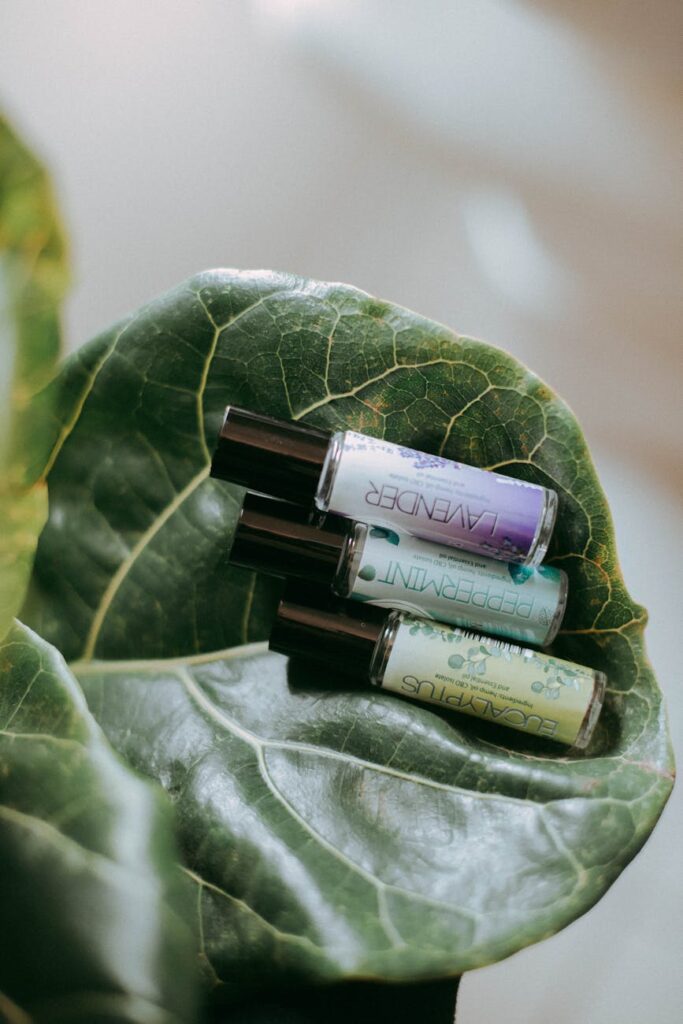
History and Origins of Aromatherapy Blends for Self-Care and Relaxation
Introduction
Aromatherapy has emerged as a soothing practice for self-care and relaxation, rooted in ancient traditions that span various cultures and epochs. The use of essential oils for therapeutic purposes can be traced back thousands of years, showcasing both the enduring allure and the versatility of aromatic plant extracts. This article delves into the history and origins of aromatherapy blends specifically crafted for self-care and relaxation, exploring their benefits, common applications, and considerations for safe usage.
What Is Aromatherapy Blends for Self-Care and Relaxation?
Aromatherapy involves the use of essential oils—concentrated extracts derived from the leaves, flowers, stems, roots, and fruits of plants—blended together to promote emotional and physical well-being. Self-care and relaxation blends are specifically designed to help individuals unwind, enhance mood, and cultivate a sense of tranquility. These blends often combine various essential oils, each selected for its unique properties and therapeutic benefits, to create synergistic effects that promote relaxation and stress relief.
Key Benefits and Properties
The essential oils used in aromatherapy blends for self-care and relaxation possess numerous beneficial properties, including:
- Calming Effects: Oils such as lavender and chamomile are renowned for their ability to reduce anxiety and promote restful sleep.
- Mood Enhancement: Citrus oils like bergamot and sweet orange are uplifting and can help alleviate feelings of sadness or fatigue.
- Stress Reduction: Oils such as frankincense and cedarwood can help ground the mind and foster a sense of peace, counteracting the effects of daily stressors.
- Physical Relaxation: Some essential oils, including marjoram and ylang-ylang, are known for their muscle-relaxing properties, making them ideal for use after physical activity.
- Holistic Well-Being: The inhalation of essential oils can engage the limbic system, the part of the brain that controls emotions, facilitating a holistic approach to mental and emotional wellness.
- Home Environment: Diffusing essential oils in living spaces creates a calming atmosphere, ideal for unwinding after a long day.
- Baths: Adding essential oils to bathwater can transform an ordinary bath into a luxurious spa experience, promoting relaxation and tranquility.
- Massage: Incorporating essential oils into massage oils can enhance relaxation and relieve muscle tension.
- Meditation and Yoga: Using specific blends during meditation or yoga practices can deepen the experience, helping to center the mind and body.
- Personal Care Products: Aromatherapy blends can be integrated into lotions, creams, or scrubs, providing both skin benefits and aromatic pleasure.
- Dilution: Always dilute essential oils with a carrier oil before applying them to the skin to prevent irritation or adverse reactions.
- Allergic Reactions: Conduct a patch test on a small area of skin to check for any allergic reactions before widespread application.
- Pregnancy and Nursing: Some essential oils may not be suitable for use during pregnancy or breastfeeding. Consult a qualified practitioner for guidance.
- Children and Pets: Certain essential oils can be harmful to children and pets. Research and select age-appropriate oils, and consult with a veterinarian for pet safety.
- Quality and Source: Choose high-quality, pure essential oils from reputable sources to avoid synthetic additives or contaminants.
- Cool, Dark Place: Store essential oils in a cool, dark place, away from direct sunlight, heat, or humidity.
- Containers: Keep oils in dark glass bottles (amber or cobalt) to protect them from light degradation.
- Shelf Life: Most essential oils have a shelf life of 1-3 years, depending on the oil. Citrus oils typically have a shorter shelf life, while oils like sandalwood can last longer. Regularly check for changes in scent, consistency, or color, which may indicate spoilage.
Common Uses
Aromatherapy blends for self-care and relaxation can be employed in various settings and situations, including:
Aromatherapy Applications
There are various methods of applying aromatherapy blends for self-care and relaxation, each catering to personal preferences and lifestyle:
1. Diffusion
Using a diffuser, essential oils can be dispersed into the air, allowing individuals to inhale the aromatic compounds. This method is effective for creating a calming environment and can be beneficial during meditation, reading, or yoga.
2. Topical Application
Essential oils can be diluted with carrier oils (such as jojoba, coconut, or almond oil) and applied to the skin. It is crucial to always dilute essential oils before topical use to avoid skin irritation. Popular application areas include pulse points, the back of the neck, and the soles of the feet.
3. Inhalation
Direct inhalation involves placing a few drops of essential oil on a tissue or in a bowl of hot water. This method can provide immediate stress relief and enhance mood.
4. Bathing
Adding essential oils to bathwater, either through a bath oil or an emulsifier like milk or honey, allows for a full-body experience. The warmth of the water aids in the absorption of the oils, promoting relaxation.
5. Personal Inhalers
Portable inhalers can be filled with a blend of essential oils, making it easy to access calming aromas throughout the day, especially during stressful moments.
Safety Considerations
While aromatherapy can offer numerous benefits, it is essential to practice safety when using essential oils:
Storage and Shelf Life
To maintain the potency and efficacy of essential oils, proper storage is crucial:
Frequently Asked Questions
1. Can I create my own aromatherapy blends?
Yes, creating your own blends can be a rewarding experience. Start with a base oil and gradually add other oils, considering their properties and scents to achieve your desired effect.
2. What are some popular essential oil combinations for relaxation?
Common combinations include lavender and chamomile, bergamot and sweet orange, and frankincense with cedarwood, each offering unique calming benefits.
3. How often can I use aromatherapy blends?
You can use aromatherapy blends as often as you find beneficial, whether during a daily routine or as needed for stress relief. However, it is advisable to take breaks to prevent desensitization.
4. Are there any essential oils to avoid?
Yes, some oils may cause skin sensitivity or should be avoided in certain situations (e.g., pregnancy, certain medical conditions). Always research and consult reliable sources regarding essential oil safety.
5. Can aromatherapy replace medical treatment?
Aromatherapy should not be considered a substitute for professional medical treatment. It can be a complementary practice to support overall well-being.
Conclusion
The rich history and origins of aromatherapy blends for self-care and relaxation underscore the timeless appeal of essential oils in promoting emotional and physical well-being. As individuals increasingly seek natural alternatives for stress relief and self-care, understanding the benefits, applications, and safety considerations of these aromatic blends is essential. Whether through diffusion, topical application, or bathing, the art of aromatherapy offers a pathway to holistic wellness, inviting individuals to explore the soothing power of nature’s fragrances.