
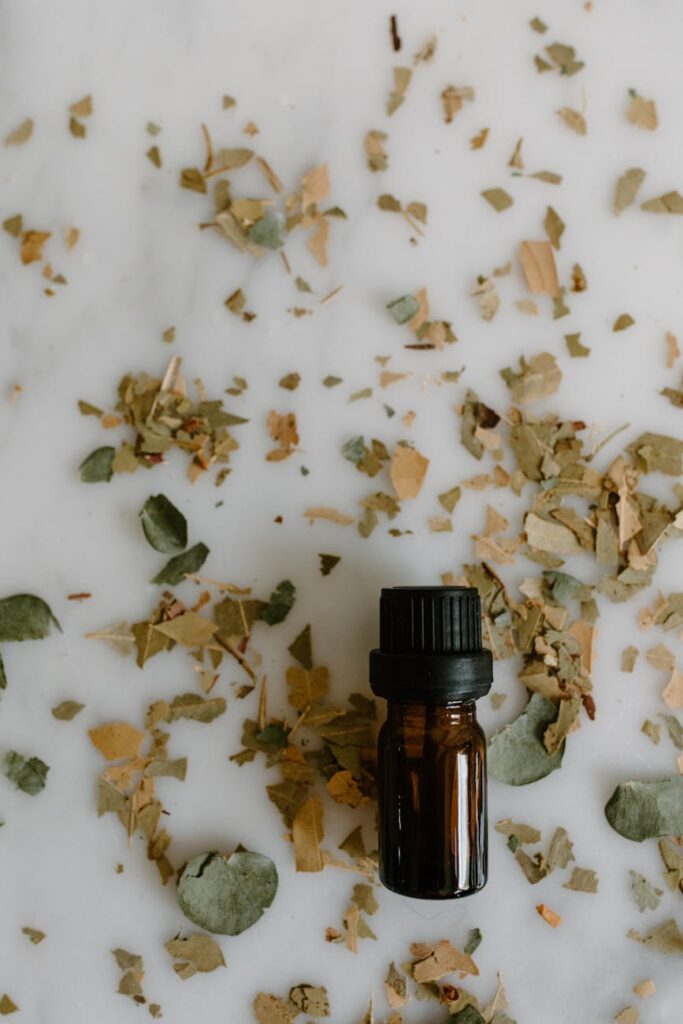
History and Origins of Aromatherapy Blends for Self-Compassion
Introduction
Aromatherapy, the practice of using aromatic plant extracts and essential oils for therapeutic purposes, has roots that stretch back thousands of years. It encompasses a range of practices designed to promote physical, emotional, and spiritual well-being. One particularly resonant application of aromatherapy is the creation of blends aimed at fostering self-compassion—a vital aspect of mental health and emotional resilience. This article explores the historical context of aromatherapy, the properties of self-compassion blends, their common uses, and the safety considerations associated with their application.
What Is Aromatherapy Blends for Self-Compassion?
Aromatherapy blends for self-compassion are specifically formulated combinations of essential oils designed to evoke feelings of kindness, acceptance, and emotional nurturing. These blends typically include oils known for their calming and soothing properties, such as lavender, bergamot, and frankincense. The intention behind these blends is to create an environment that encourages introspection, self-acceptance, and emotional healing.
The concept of self-compassion, as popularized by psychologist Kristin Neff, involves treating oneself with the same kindness and understanding one would offer a friend. By integrating aromatherapy into self-care practices, individuals may find it easier to cultivate this sense of compassion, offering themselves forgiveness and understanding during difficult times.
Key Benefits and Properties
The essential oils used in self-compassion blends are chosen for their specific emotional and psychological benefits. Here are some common oils and their properties:
- Lavender (Lavandula angustifolia): Known for its calming and balancing effects, lavender promotes relaxation and can help alleviate feelings of anxiety and stress.
- Bergamot (Citrus bergamia): This uplifting oil is often used to enhance mood and reduce feelings of sadness. Its citrusy aroma is refreshing and can inspire feelings of hope and positivity.
- Frankincense (Boswellia carterii): Revered for its grounding qualities, frankincense helps create a sense of peace and tranquility, making it easier to engage in self-reflection.
- Sandalwood (Santalum album): This oil is associated with emotional healing and encourages a sense of inner calm, making it a popular choice for meditation practices.
- Ylang Ylang (Cananga odorata): Known for its sweet and floral scent, ylang ylang can help reduce feelings of anger and frustration, promoting a more compassionate mindset.
- Meditation and Mindfulness: Incorporating essential oils into meditation practices can deepen the experience and enhance emotional awareness. Diffusing self-compassion blends during meditation can create a soothing atmosphere.
- Self-Care Rituals: Using these blends in baths, massages, or skincare routines can help reinforce positive self-regard and promote relaxation.
- Emotional Support: In times of stress or emotional upheaval, inhaling or applying self-compassion blends can provide immediate comfort and promote a sense of calm.
- Daily Affirmations: Pairing the use of essential oils with positive affirmations can reinforce self-compassion. For example, diffusing a blend while repeating affirmations can create a multi-sensory experience that solidifies positive internal dialogue.
- Diffusion: Using an essential oil diffuser allows for a gentle release of aromas into the air, filling a space with uplifting scents. This method is particularly effective for meditation or self-care spaces.
- Topical Application: Essential oils should be diluted with a carrier oil before direct skin application. Common carrier oils include coconut oil, sweet almond oil, and jojoba oil. A diluted blend can be massaged onto pulse points or used in self-massage practices.
- Bathing: Adding essential oils to bathwater can create a relaxing atmosphere. It is advisable to mix the oils with an emulsifier, such as Epsom salts or a carrier oil, to prevent skin irritation.
- Inhalation: Simply inhaling the scent directly from the bottle or a cotton ball can provide immediate relief. This method is particularly useful during moments of stress.
- Scented Items: Infusing pillows, blankets, or personal items with essential oils can create a comforting environment that encourages self-compassion throughout the day.
- Dilution: Essential oils are potent and should always be diluted with a carrier oil before being applied to the skin to avoid irritation or allergic reactions.
- Patch Testing: Before widespread use, perform a patch test by applying a small amount of diluted oil to an inconspicuous area of skin to check for any adverse reactions.
- Consultation: Pregnant or nursing individuals, as well as those with specific medical conditions, should consult a healthcare provider before using essential oils.
- Quality of Oils: It is essential to choose high-quality, pure essential oils from reputable sources. Synthetic fragrances may lack therapeutic properties and could cause adverse reactions.
- Storage: Store essential oils in a cool, dark place, away from direct sunlight and heat sources, to maintain their potency and effectiveness.
- Containers: Essential oils should be stored in dark glass bottles to protect them from light degradation. Amber or cobalt blue bottles are ideal.
- Temperature: Keep oils away from heat sources, such as stoves or radiators, and maintain a consistent temperature. Extreme fluctuations can affect the oils’ integrity.
- Shelf Life: The shelf life of essential oils varies by type. Generally, citrus oils have a shorter shelf life (around 1-2 years), while oils like sandalwood and patchouli can last for several years. Always check for changes in aroma, color, or consistency before use.
These oils work synergistically to create an atmosphere conducive to self-reflection and emotional healing, making them ideal for self-compassion practices.
Common Uses
Aromatherapy blends for self-compassion can be used in various contexts, including:
Aromatherapy Applications
There are several methods to apply aromatherapy blends for self-compassion:
Safety Considerations
While aromatherapy is generally considered safe, certain precautions should be taken:
Storage and Shelf Life
Storing essential oils correctly is crucial for preserving their therapeutic properties. Here are some guidelines:
Frequently Asked Questions
What are some popular essential oil blends for self-compassion?
Popular blends often include combinations of lavender, bergamot, and frankincense.
Can I create my own self-compassion blend?
Yes, you can create your own blend by experimenting with different oils that evoke feelings of compassion and calm. Just ensure to dilute appropriately.
How often should I use aromatherapy blends?
The frequency of use depends on individual preference. Many find daily use to be beneficial, while others may prefer it during specific moments of stress or emotional need.
Are there any contraindications for using essential oils?
Yes, individuals with certain medical conditions or those who are pregnant should consult a health professional before using essential oils.
Can aromatherapy replace traditional therapy?
Aromatherapy can complement traditional therapy but should not be seen as a replacement for professional mental health treatment.
Conclusion
The historical origins of aromatherapy, combined with the thoughtful application of essential oils for self-compassion, underscore the practice’s enduring relevance in modern life. By harnessing the power of nature’s aromas, individuals can create a nurturing environment that fosters emotional healing and self-acceptance. Whether through meditation, self-care rituals, or daily affirmations, the use of aromatherapy blends can serve as a gentle reminder to cultivate kindness towards oneself. As the understanding of self-compassion continues to evolve, so too does the role of aromatherapy in supporting emotional well-being.