
History and Origins of Aromatherapy Blends for Self-Reflection
Introduction
Aromatherapy, defined as the therapeutic use of essential oils extracted from plants, has been utilized for thousands of years across various cultures. Among its many applications, aromatherapy blends for self-reflection have gained prominence, providing individuals with tools for introspection, emotional balance, and mental clarity. This article delves into the historical context of aromatherapy, the specific blends used for self-reflection, their benefits, and practical applications.
What Is Aromatherapy Blends for Self-Reflection?
Aromatherapy blends for self-reflection are combinations of essential oils specifically formulated to promote introspection and emotional well-being. These blends often include oils known for their calming, grounding, or uplifting properties. The concept of self-reflection involves looking inward to assess one’s thoughts, feelings, and motivations, often leading to greater self-awareness and personal growth. Aromatherapy can enhance this process by creating an environment conducive to mindfulness and contemplation.
Key Benefits and Properties
The benefits of aromatherapy blends for self-reflection are multifaceted, catering to emotional and psychological well-being. Key properties of essential oils used in these blends include:
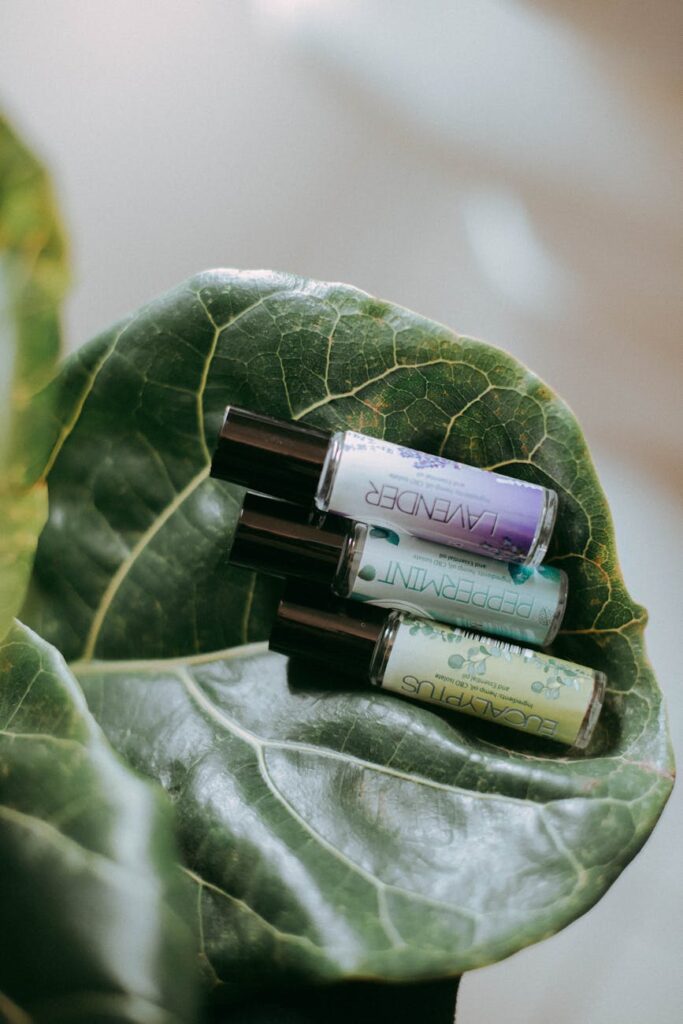
1. Calming Effects: Oils like lavender and chamomile are known for their soothing properties, helping to reduce anxiety and promote tranquility.
2. Grounding Qualities: Essential oils such as vetiver and cedarwood are often used to instill a sense of stability and connection to the earth, making them ideal for self-reflection practices.
3. Uplifting Aromas: Citrus oils, including bergamot and sweet orange, are recognized for their ability to elevate mood and inspire positivity, thus aiding in self-reflection.
4. Mental Clarity: Oils like rosemary and peppermint promote mental clarity and focus, encouraging deeper introspection.
5. Emotional Balance: Oils such as geranium and ylang-ylang are known to help balance emotions, creating a safe space for self-exploration.
Common Uses
Aromatherapy blends for self-reflection can be used in various settings and methods. Some common applications include:
- Meditation Practice: Incorporating essential oils into meditation rituals can enhance focus and deepen the experience of self-reflection. Diffusing calming blends during meditation sessions can create a serene atmosphere.
- Journaling: Many individuals find journaling to be a powerful tool for self-reflection. Using an uplifting blend in a diffuser or applying it topically can enhance creativity and emotional expression during this process.
- Therapeutic Baths: Adding essential oils to bathwater can create a soothing environment for self-reflection. Blends that combine calming and uplifting oils provide a balanced experience.
- Mindfulness Exercises: Engaging in mindfulness practices while diffusing or inhaling specific blends can enhance awareness and promote a sense of presence.
- Daily Routines: Using aromatherapy blends in daily routines, such as during morning rituals or evening wind-downs, can cultivate a consistent practice of self-reflection.
- Dilution: Always dilute essential oils with a carrier oil before applying them to the skin. This helps prevent skin irritation and sensitization.
- Patch Testing: Conduct a patch test before using a new essential oil on the skin. Apply a small diluted amount on a discreet area and observe for any adverse reactions.
- Avoiding Sensitive Areas: Refrain from applying essential oils near the eyes, mucous membranes, or broken skin.
- Consultation for Specific Conditions: Individuals with specific health concerns, pregnant or nursing women, and those taking medications should consult with a qualified professional before using essential oils.
- Storage: Essential oils should be stored in dark glass containers away from direct sunlight and heat to maintain their potency.
- Dark Glass Containers: Store essential oils in dark amber or cobalt blue glass bottles to protect them from light exposure.
- Cool, Dry Place: Keep essential oils in a cool, dry environment, away from heat sources and humidity.
- Tightly Sealed: Ensure bottles are tightly sealed to minimize oxidation and evaporation.
- Labeling: Clearly label each bottle with the name and date of purchase to track freshness.
Aromatherapy Applications
The application of aromatherapy blends for self-reflection can be approached in several ways:
1. Diffusion: Using a diffuser is one of the most popular methods to disperse essential oils into the air. This allows for a gentle and continuous release of aromas, creating an inviting atmosphere for self-reflection.
2. Topical Application: Diluting essential oils with a carrier oil and applying them to pulse points can provide a direct and personal experience. Common carrier oils include jojoba, sweet almond, and coconut oil.
3. Inhalation: Simply inhaling essential oils from a bottle or cotton ball can yield immediate benefits. This method is particularly effective for quick emotional shifts or bursts of clarity.
4. Blends for Rituals: Creating personal blends tailored to individual needs can enhance the self-reflection process. This customization allows for a more intimate connection to the oils and their effects.
5. Room Sprays: Creating room sprays with essential oils can instantly transform an environment, making it more conducive to self-reflection.
Safety Considerations
While aromatherapy can offer numerous benefits, it is imperative to practice safety. Essential oils are highly concentrated substances and must be used cautiously. Key safety considerations include:
Storage and Shelf Life
The shelf life of essential oils varies depending on their chemical composition and storage conditions. Generally, citrus oils may have a shorter shelf life of about 1-2 years, while oils like sandalwood and patchouli can last up to 10 years or more when stored properly. To ensure longevity, consider the following storage tips:
Frequently Asked Questions
1. Can I create my own aromatherapy blends for self-reflection?
Yes, creating your own blends allows you to tailor the experience to your specific needs. Start with a base of 2-3 essential oils and experiment with different combinations.
2. How do I know which essential oils are best for self-reflection?
Consider your emotional state and what you hope to achieve through self-reflection. Research the properties of various essential oils and select those that resonate with your intentions.
3. Can aromatherapy help with stress management?
Many people find that aromatherapy can support stress management by promoting relaxation and emotional balance. However, it should complement other stress-reduction practices, such as mindfulness and exercise.
4. Is it safe to use essential oils around pets?
Certain essential oils can be harmful to pets. It’s important to research which oils are safe and to consult with a veterinarian if you are unsure.
5. How often can I use aromatherapy blends for self-reflection?
You can use aromatherapy blends as often as needed. Some individuals incorporate them into daily routines, while others may use them during specific self-reflection sessions.
Conclusion
Aromatherapy blends for self-reflection offer a rich tapestry of historical significance and modern applications. By tapping into the natural properties of essential oils, individuals can enhance their self-reflection practices, leading to deeper self-awareness and personal growth. As the practice of aromatherapy continues to evolve, it remains a valuable tool for those seeking to explore their inner landscapes and cultivate emotional well-being.