
History and Origins of Aromatherapy Blends for Skin Healing
Introduction
Aromatherapy, the practice of using essential oils for therapeutic purposes, has a rich and diverse history that spans thousands of years and cultures. Among its many applications, the use of aromatherapy blends for skin healing stands out as a significant and enduring aspect. This article delves into the origins and evolution of these blends, their beneficial properties, and their applications in modern skincare.
What Is Aromatherapy Blends for Skin Healing?
Aromatherapy blends for skin healing are mixtures of essential oils derived from plants, which are believed to support skin health and address various dermatological concerns. These blends can be formulated to promote healing, hydration, and rejuvenation of the skin, providing both physical and emotional benefits. Essential oils are concentrated extracts obtained through various methods, such as steam distillation or cold pressing, preserving the plant’s unique aromatic and therapeutic properties.
Key Benefits and Properties
The therapeutic properties of essential oils are attributed to their chemical composition, which can include compounds known for their anti-inflammatory, antiseptic, and antioxidant effects. Here are some key benefits associated with aromatherapy blends for skin healing:
1. Anti-Inflammatory Properties: Many essential oils, such as lavender and chamomile, are known to reduce inflammation and soothe irritated skin.
2. Antiseptic Qualities: Oils like tea tree and eucalyptus possess antiseptic properties, making them effective in preventing infection and promoting healing.
3. Hydration: Certain oils, such as rose and sandalwood, are hydrating and can help maintain skin moisture, enhancing skin elasticity and overall appearance.
4. Regeneration: Oils like frankincense and geranium are often used for their regenerative properties, promoting cell turnover and potentially reducing the appearance of scars and blemishes.
5. Emotional Well-Being: The aromatic profile of essential oils can have profound effects on mood and stress levels, which indirectly benefit skin health by reducing stress-related skin issues.
Common Uses
Aromatherapy blends for skin healing can be used in various ways, depending on the desired outcome. Common uses include:
- Topical Application: Blends can be diluted with carrier oils (e.g., jojoba, almond, or coconut oil) and applied directly to the skin to address specific concerns such as dryness, acne, or irritation.
- Bath Additives: Essential oil blends can be added to bathwater for a soothing experience that nourishes the skin while providing a relaxing atmosphere.
- Compresses: A blend can be mixed with water and used as a compress for targeted areas of discomfort or irritation.
- Inhalation: While primarily for skin benefits, inhaling the aroma of essential oils can support emotional well-being and enhance the overall experience.
- Dilution: Essential oils must be diluted with a carrier oil before topical application to prevent skin irritation or allergic reactions.
- Allergies: Always perform a patch test before using a new blend to check for sensitivities or allergic reactions.
- Pregnancy and Nursing: Some essential oils are contraindicated during pregnancy or breastfeeding. It is crucial to consult with a qualified professional before use.
- Phototoxicity: Certain oils, particularly citrus oils like bergamot and lemon, can cause skin sensitivity in sunlight. It’s advisable to avoid sun exposure after using these oils.
- Consultation: Individuals with pre-existing conditions or those on medication should consult a healthcare professional before incorporating essential oils into their routine.
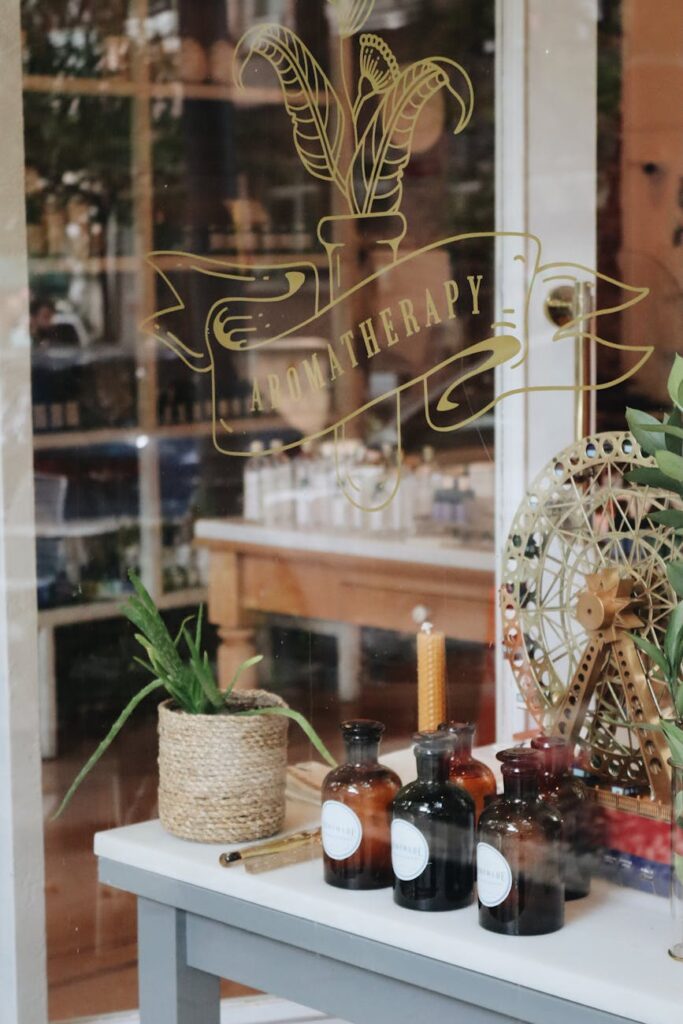
- Containers: Store essential oils in dark glass bottles to protect them from light, which can degrade their quality.
- Temperature: Keep oils in a cool, dark place away from heat sources and direct sunlight.
- Shelf Life: Essential oils generally have a shelf life of 1 to 5 years, depending on the type and storage conditions. It is advisable to label bottles with purchase dates to track freshness.
Aromatherapy Applications
The application of aromatherapy blends for skin healing can be tailored to individual needs. Here are some common methods:
1. Massage
Incorporating essential oils into massage therapy can provide both skin benefits and muscle relaxation. Blending essential oils with a carrier oil allows for easy application and absorption into the skin.
2. Facial Treatments
Facial oils and serums containing essential oils can nourish and rejuvenate the skin. A blend tailored for facial use may include oils known for their anti-aging properties or those that help balance oil production.
3. Ointments and Creams
Commercially available or homemade ointments can incorporate essential oil blends to target specific skin issues. These formulas often combine essential oils with beeswax and carrier oils for a thicker consistency.
4. Diffusion
While primarily for inhalation, diffusing essential oils can create a calming environment, which can help address skin issues exacerbated by stress or anxiety.
Safety Considerations
While aromatherapy blends can offer many benefits, it is essential to consider safety. Here are some key points:
Storage and Shelf Life
Proper storage of essential oils is vital to maintain their potency and effectiveness. Here are some guidelines:
Frequently Asked Questions
What are some popular essential oils used for skin healing?
Popular essential oils for skin healing include lavender, tea tree, frankincense, chamomile, and geranium. Each oil has unique properties that can address various skin issues.
Can I make my own aromatherapy blends at home?
Yes, making your own aromatherapy blends is possible and can be a rewarding experience. Ensure you follow proper dilution guidelines and choose oils that complement each other.
Is it safe to use essential oils on sensitive skin?
While some essential oils can be soothing for sensitive skin, it is essential to dilute them properly and conduct a patch test first. If any irritation occurs, discontinue use immediately.
How often can I use aromatherapy blends for skin healing?
The frequency of use may vary depending on the individual’s skin type and specific concerns. Generally, topical applications can be done once or twice daily, while bath additives can be used as desired.
Do aromatherapy blends have a shelf life?
Yes, essential oils can expire, generally within 1 to 5 years, depending on the oil and storage conditions. Proper storage in dark glass containers at cooler temperatures can extend their shelf life.
Conclusion
The history and origins of aromatherapy blends for skin healing reveal a deep-rooted tradition that continues to evolve. As more people explore the benefits of essential oils, it is essential to approach their use with knowledge and respect for their potency. Understanding the properties, applications, and safety considerations of these powerful plant extracts allows individuals to harness their full potential in promoting skin health and overall well-being.