
History and Origins of Aromatherapy Blends for Skin Hydration
Introduction
Aromatherapy, the practice of using essential oils derived from plants for therapeutic purposes, has garnered widespread attention in recent years, particularly in the realm of skincare. Among the diverse applications of essential oils, blends designed for skin hydration have gained prominence. This article delves into the history and origins of these aromatherapy blends, tracing their evolution through time and cultures while elucidating their key benefits, common uses, applications, safety considerations, and storage practices.
What Is Aromatherapy Blends for Skin Hydration?
Aromatherapy blends for skin hydration are mixtures of essential oils and carrier oils specifically formulated to moisturize and nourish the skin. Essential oils are concentrated plant extracts containing volatile compounds that impart their characteristic fragrances and therapeutic properties. When combined with carrier oils, these essential oils can enhance skin hydration, improve texture, and promote overall skin health.
Historically, various cultures have utilized plant extracts for skincare, but the modern concept of aromatherapy blends is rooted in a more systematic understanding of essential oils’ properties and their interactions with the skin.
Key Benefits and Properties
Aromatherapy blends for skin hydration offer a multitude of benefits, stemming from the unique properties of the essential oils used in the formulations. Some of the key benefits include:
- Moisturization: Essential oils such as lavender, geranium, and sandalwood are known for their hydrating properties, helping to retain moisture in the skin.
- Nourishment: Many essential oils contain vitamins, antioxidants, and fatty acids that nourish the skin, promoting a healthy appearance.
- Anti-inflammatory Effects: Oils like chamomile and tea tree possess anti-inflammatory properties that can soothe irritated skin and reduce redness.
- Antimicrobial Properties: Certain essential oils, such as lavender and eucalyptus, have been shown to possess antimicrobial qualities, helping to protect the skin from harmful pathogens.
- Enhancement of Overall Skin Tone: Blends containing oils like rose and frankincense may help improve skin tone and texture, promoting a more radiant complexion.
- Daily Moisturizers: These blends can be incorporated into daily skincare routines as a natural alternative to commercial moisturizers.
- Massage Oils: Diluting essential oils in carrier oils creates effective massage oils that not only hydrate the skin but also provide relaxation and stress relief.
- Bath Products: Adding aromatherapy blends to bathwater can create a soothing experience, promoting hydration while simultaneously offering aromatic benefits.
- Facial Treatments: Targeted blends can be applied to specific areas of the face to address concerns such as dryness, irritation, or uneven tone.
- Body Oils: Using aromatherapy blends after showers or baths can lock in moisture and enhance overall skin hydration.
- Topical Application: Essential oils should be diluted with carrier oils before being applied directly to the skin to prevent irritation. Popular carrier oils include jojoba, sweet almond, and coconut oil.
- Diffusion: While diffusion primarily enhances the ambient fragrance of a space, it can indirectly benefit skin hydration by promoting relaxation and reducing stress, which can have a positive impact on skin health.
- Inhalation: Inhaling the aroma of essential oils can stimulate the limbic system, promoting relaxation and enhancing the overall skincare experience.
- Compresses: Soaking a cloth in a diluted essential oil blend and applying it to the skin can provide targeted relief and hydration to specific areas.
- Dilution: Essential oils are potent and should always be diluted with a carrier oil before topical application to reduce the risk of skin irritation.
- Patch Testing: Before using a new blend, it is advisable to conduct a patch test to check for any allergic reactions. Apply a small amount of the diluted oil to a discreet area and monitor for any adverse reactions over 24 hours.
- Pregnancy and Medical Conditions: Individuals who are pregnant, nursing, or have pre-existing medical conditions should consult a healthcare professional before using essential oils.
- Quality of Oils: The quality of essential oils can vary significantly. It is essential to source oils from reputable suppliers to ensure purity and efficacy.
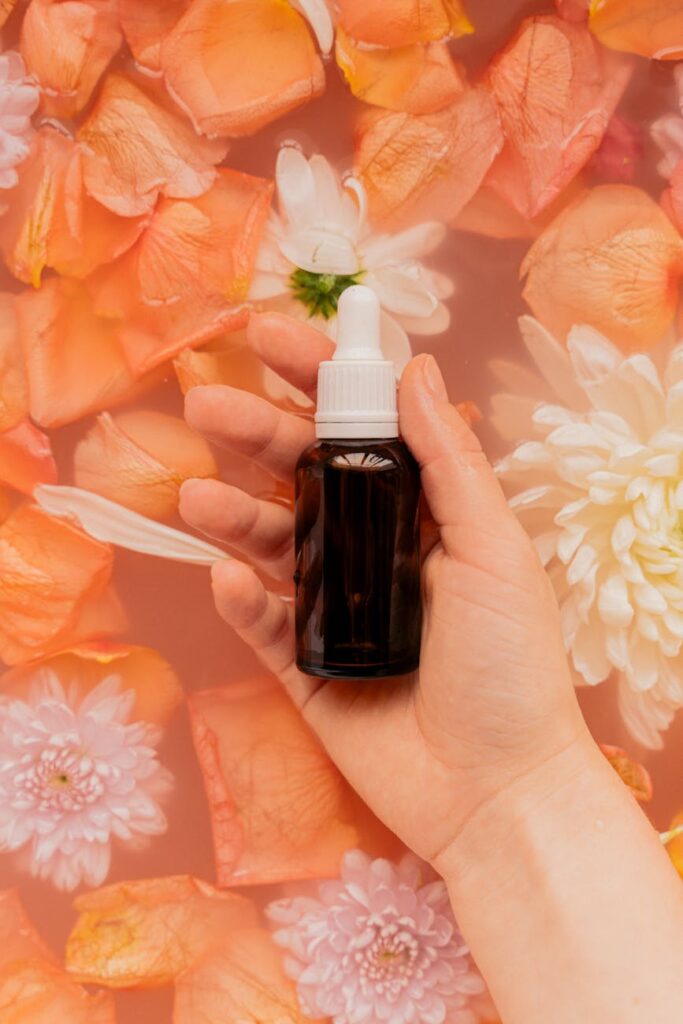
- Dark Glass Containers: Essential oils should be stored in dark glass bottles to protect them from light, which can degrade their quality.
- Cool, Dry Environment: Oils should be kept in a cool, dry place away from direct sunlight and heat sources to prolong their shelf life.
- Labeling: Clearly label blends with the date of creation and the ingredients used to keep track of their freshness.
- Shelf Life: Generally, essential oils have a shelf life of 1 to 3 years, depending on the oil. Carrier oils may have shorter shelf lives, usually ranging from 6 months to 2 years.
Common Uses
Aromatherapy blends for skin hydration can be employed in various ways, making them versatile additions to skincare routines. Common uses include:
Aromatherapy Applications
The application of aromatherapy blends for skin hydration can take several forms, allowing individuals to choose methods that best suit their preferences and needs. Common applications include:
Safety Considerations
While aromatherapy blends for skin hydration are generally considered safe when used appropriately, several safety considerations should be taken into account:
Storage and Shelf Life
Proper storage of aromatherapy blends is crucial for maintaining their potency and effectiveness. Here are some tips for optimal storage:
Frequently Asked Questions
1. Can I use essential oils directly on my skin?
No, essential oils should always be diluted with a carrier oil before applying to the skin to minimize the risk of irritation and adverse reactions.
2. How can I create my own aromatherapy blend for skin hydration?
To create a blend, select 2-3 essential oils known for their hydrating properties, such as lavender, geranium, and rose. Combine them with a carrier oil, using a dilution ratio of 2-3% (approximately 12-18 drops of essential oil per ounce of carrier oil).
3. How often should I use aromatherapy blends for skin hydration?
The frequency of use depends on individual skin needs. Generally, daily application is acceptable, particularly after bathing or showering.
4. Are there any essential oils I should avoid for skin hydration?
Certain essential oils, such as citrus oils, can be photosensitizing and may cause skin irritation when exposed to sunlight. It is advisable to research the specific properties of each oil and consult reputable sources before use.
5. Can aromatherapy blends replace my regular skincare products?
Aromatherapy blends can complement traditional skincare products but may not necessarily replace them. It is essential to maintain a balanced skincare routine that caters to individual skin types and conditions.
Conclusion
The history and origins of aromatherapy blends for skin hydration reveal a rich tapestry of cultural practices and botanical knowledge. As we continue to explore the benefits and applications of these natural remedies, it becomes clear that aromatherapy offers a holistic approach to skincare. By understanding the properties, uses, and safety considerations associated with essential oils, individuals can harness the power of nature to enhance their skin health and overall well-being.