
History and Origins of Aromatherapy Blends for Skin Rejuvenation
Introduction
Aromatherapy, the practice of using essential oils for therapeutic purposes, has roots that stretch back thousands of years. Among its many applications, skin rejuvenation stands out as a popular focus, harnessing the natural properties of essential oils to promote a radiant complexion. This article explores the history and origins of aromatherapy blends specifically formulated for skin rejuvenation, delving into their key benefits, common uses, and safety considerations.
What Is Aromatherapy Blends for Skin Rejuvenation?
Aromatherapy blends for skin rejuvenation are combinations of essential oils, often mixed with carrier oils, designed to enhance the health and appearance of the skin. Each essential oil possesses unique properties that can contribute to skin vitality, such as anti-inflammatory, antibacterial, and antioxidant effects. Common essential oils used in these blends include lavender, tea tree, frankincense, and rose, among others.
The practice of blending these oils involves careful consideration of their individual characteristics and how they interact with one another to create a synergistic effect. This synergy can amplify the benefits of each oil, making the blend more effective than any single oil used in isolation.
Key Benefits and Properties
Aromatherapy blends for skin rejuvenation offer a variety of benefits, stemming from the intrinsic properties of the essential oils involved. Some of these benefits include:
1. Anti-aging Effects: Many essential oils are rich in antioxidants, which can help combat the signs of aging by neutralizing free radicals. Oils such as frankincense and rose are particularly noted for their skin-rejuvenating properties.
2. Hydration and Moisture Retention: Certain oils can enhance the skin’s moisture barrier, preventing dehydration. For example, jojoba oil is known for its ability to mimic the skin’s natural sebum, providing deep hydration.
3. Balancing Oil Production: Essential oils like tea tree and lavender can help regulate sebum production, making them ideal for both oily and dry skin types.
4. Soothing Inflammation: Oils such as chamomile and lavender possess anti-inflammatory properties that can help reduce redness and irritation, making them suitable for sensitive skin.
5. Promoting Healing: Some essential oils, including helichrysum and myrrh, are believed to encourage skin cell regeneration, aiding in the healing of scars and blemishes.
Common Uses
Aromatherapy blends for skin rejuvenation can be used in various ways, adapting to different skin types and concerns. Some common applications include:
- Facial Serums: These concentrated blends are often diluted with carrier oils and applied directly to the face, targeting specific concerns such as wrinkles or dryness.
- Moisturizers: Aromatherapy blends can be incorporated into daily moisturizers, providing a fragrant and therapeutic boost to regular skincare routines.
- Bath Oils: Adding a few drops of rejuvenating blends to bath water can create a luxurious and relaxing experience while benefiting the skin.
- Compresses: Soaking a cloth in a diluted blend can create a soothing compress for areas of irritation or inflammation.
- Facial Steams: Inhaling the steam infused with essential oils can not only refresh the skin but also uplift the senses.
- Patch Test: Before using a new blend, conduct a patch test to check for allergic reactions. Apply a small amount on a discreet area of skin and wait 24 hours.
- Dilution: Essential oils should not be applied directly to the skin without dilution. Always mix with a carrier oil.
- Pregnancy and Nursing: Some essential oils may not be safe for pregnant or nursing individuals. Consult with a knowledgeable practitioner if there are any concerns.
- Photosensitivity: Certain oils, particularly citrus oils like bergamot and lemon, can increase sensitivity to sunlight. Avoid using these oils before sun exposure.
- Consultation: If you have specific skin conditions or concerns, it may be beneficial to consult a dermatologist or aromatherapist with expertise in essential oils.
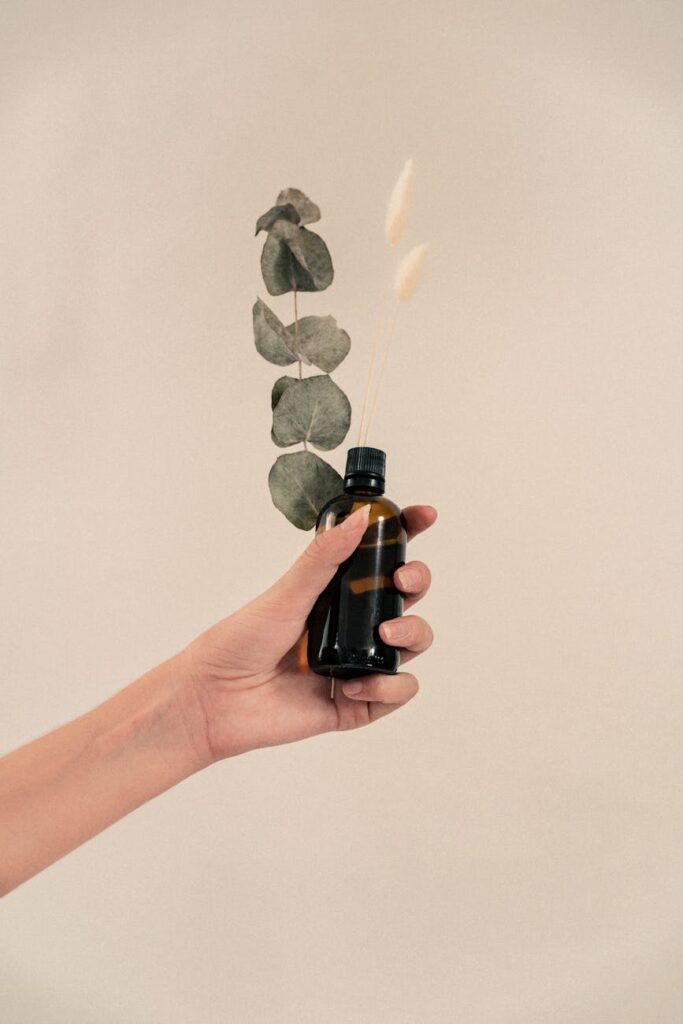
- Dark Glass Containers: Essential oils should be stored in dark glass bottles to protect them from light, which can degrade their quality.
- Cool, Dry Place: Keep oils away from heat and humidity, as these factors can alter their chemical composition.
- Shelf Life: The shelf life of essential oils varies. Generally, citrus oils have a shorter shelf life (1-2 years) compared to oils like frankincense and sandalwood (up to 5 years or more). Regularly check for changes in aroma or consistency.
Aromatherapy Applications
The application of aromatherapy blends for skin rejuvenation can be tailored to individual preferences and skin needs. Here are some common methods of application:
1. Topical Application
When applying essential oil blends directly to the skin, it is crucial to dilute them with a carrier oil to prevent irritation. Common carrier oils include jojoba, sweet almond, and coconut oil. The typical ratio is 1-2 drops of essential oil per teaspoon of carrier oil.
2. Diffusion
Aromatherapy diffusers can disperse essential oils into the air, allowing for inhalation while benefiting the skin indirectly. This method can create a calming atmosphere, enhancing the overall experience of skincare rituals.
3. Bathing
Incorporating essential oils into bathwater can create a spa-like experience while delivering benefits to the skin. It is advisable to mix essential oils with a carrier oil or an emulsifier before adding them to the bath to ensure even distribution.
4. Facial Masks
Blending essential oils with clay, yogurt, or honey can create nourishing facial masks. These masks can target specific skin concerns while providing an aromatic experience.
Safety Considerations
While essential oils offer numerous benefits, safety is paramount when using them. Here are some essential safety guidelines:
Storage and Shelf Life
Proper storage is essential to maintain the efficacy of essential oils. Here are some key points to consider:
Frequently Asked Questions
1. Can I create my own aromatherapy blend for skin rejuvenation?
Yes, you can create your own blend by combining essential oils that suit your skin type and concerns. Start with small amounts and adjust according to your preferences.
2. How often should I use aromatherapy blends for skin rejuvenation?
Usage frequency can vary depending on individual needs. Generally, daily use is safe when properly diluted, but adjust based on your skin’s response.
3. Are there any essential oils I should avoid for skin rejuvenation?
Some essential oils can be irritating or unsuitable for sensitive skin, such as clove or cinnamon. It’s advisable to research each oil and consult with a knowledgeable practitioner if unsure.
4. Can I use aromatherapy blends if I have sensitive skin?
While many essential oils can benefit sensitive skin, it’s essential to test them first and to use gentle oils such as chamomile or lavender.
5. What is the difference between essential oils and fragrance oils?
Essential oils are derived from natural plant sources and retain the therapeutic properties of the plant, while fragrance oils are synthetic and do not offer the same benefits.
Conclusion
The history and origins of aromatherapy blends for skin rejuvenation reflect a long-standing relationship between humans and nature’s botanical treasures. By understanding the properties and applications of these blends, one can harness the potential of aromatherapy to rejuvenate and revitalize the skin. As interest in natural skincare continues to grow, these blends remain a valuable addition to holistic beauty practices, emphasizing the importance of safe, mindful application for optimal results.