
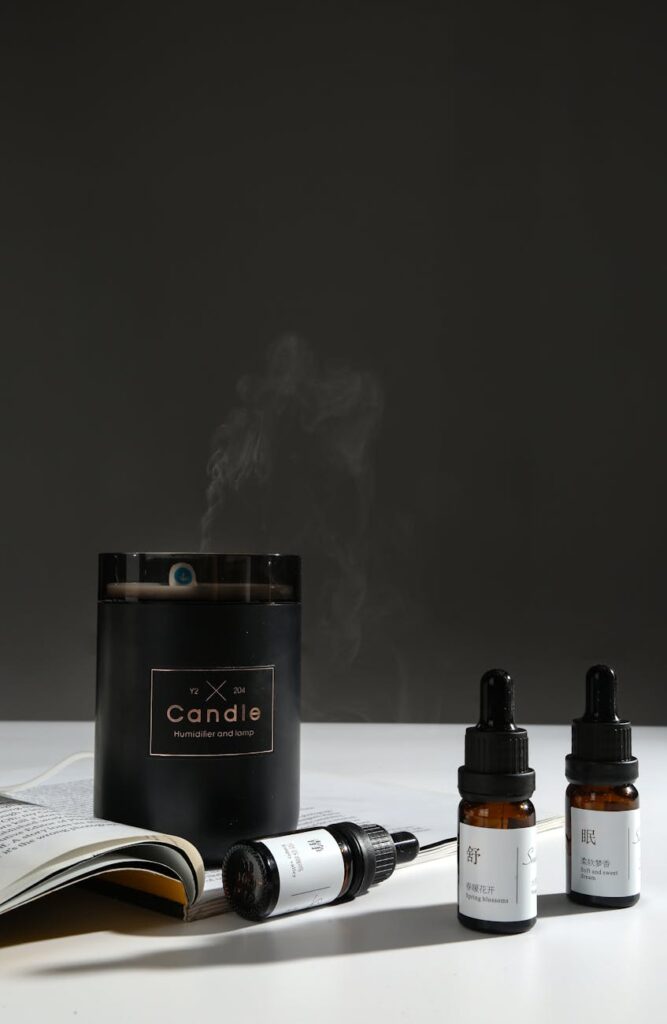
History and Origins of Aromatherapy Blends for Sleep Aid
Introduction
Aromatherapy, the practice of using essential oils for therapeutic purposes, has a rich and varied history that spans centuries and cultures. Among its many applications, the use of aromatherapy blends for sleep aid is particularly noteworthy. This article delves into the historical roots, key benefits, common uses, applications, safety considerations, and storage of aromatherapy blends designed to promote restful sleep.
What Is Aromatherapy Blends for Sleep Aid?
Aromatherapy blends for sleep aid consist of carefully curated essential oils that are believed to promote relaxation, reduce anxiety, and improve sleep quality. These blends typically feature oils known for their sedative and calming properties, such as lavender, chamomile, and bergamot. The art of combining these oils aims to create a synergistic effect that enhances their individual benefits.
Historically, various cultures have utilized plants and their extracts for both medicinal and aromatic purposes. The modern practice of aromatherapy began to take shape in the early 20th century, when French chemist René-Maurice Gattefossé coined the term. His experiments with essential oils laid the foundation for the contemporary understanding of their therapeutic applications, including those for sleep.
Key Benefits and Properties
The primary benefits of aromatherapy blends for sleep aid stem from the properties of essential oils. Here are some of the most notable benefits:
1. Promotes Relaxation: Many essential oils have calming effects on the nervous system, helping to ease tension and promote a sense of peace.
2. Reduces Anxiety: Fragrances from certain oils may help lower anxiety levels, making it easier to drift into sleep. Oils like bergamot and ylang-ylang are often included for their potential to alleviate stress.
3. Improves Sleep Quality: Research has indicated that certain essential oils can enhance both the quality and duration of sleep. Lavender, for instance, has been widely studied for its sleep-promoting properties.
4. Enhances Mood: Aromatherapy can help to elevate mood, which may contribute to a more restful and peaceful sleep experience.
5. Supports Circadian Rhythm: Some essential oils may help regulate the body’s internal clock, aiding in the natural sleep-wake cycle.
Common Uses
Aromatherapy blends for sleep aid can be used in various settings and situations. Here are some common applications:
1. Diffusion: Using an essential oil diffuser can disperse the aromatic compounds into the air, allowing for a gentle and continuous release of fragrance throughout the night.
2. Topical Application: Some individuals prefer to apply diluted essential oils directly to pulse points such as wrists, neck, or temples. This method allows for close contact with the scent while also benefiting from skin absorption.
3. Bath Soaks: Adding essential oils to a warm bath can create a soothing environment conducive to relaxation. Oils may be mixed with a carrier oil or Epsom salts to enhance their effects.
4. Pillow Sprays: Homemade pillow sprays can be created by mixing essential oils with water in a spray bottle. A light mist on pillows or bedding before sleep can promote a calming atmosphere.
5. Sleep Masks and Aromatherapy Pillows: Some people use sleep masks or pillows infused with essential oils, allowing for a more immersive olfactory experience while resting.
Aromatherapy Applications
The application of aromatherapy blends for sleep aid can be tailored to individual preferences and needs. Here is a closer look at how to utilize these blends effectively:
Diffusion Techniques
- Ultrasonic Diffusers: These devices use water and ultrasonic waves to disperse essential oils into the air. They are a popular choice for nighttime use.
- Nebulizers: These devices vaporize essential oils without using heat, preserving their constituents and providing a more concentrated aroma.
- Cool, Dark Place: Essential oils should be stored in a cool, dark environment away from direct sunlight and heat sources, as these factors can degrade their quality.
- Tightly Sealed Bottles: Ensure that essential oils are kept in tightly sealed bottles to prevent oxidation and evaporation.
- Shelf Life: Most essential oils have a shelf life of 1 to 3 years, depending on the type of oil and how it is stored. Citrus oils, for example, tend to have a shorter shelf life than woody oils.
Topical Applications
When applying essential oils to the skin, it is crucial to dilute them with a carrier oil to prevent irritation. Common carrier oils include jojoba, sweet almond, and coconut oil. A typical dilution ratio is one drop of essential oil to several drops of carrier oil.
Bathing Rituals
For a tranquil bathing experience, essential oils can be added to warm bathwater. When using this method, it is advisable to mix the oils with a neutral carrier, such as Epsom salts or milk, to help disperse the oils evenly in the water.
Pillow and Linen Sprays
Creating a pillow spray is a simple process. Combine distilled water with a few drops of your chosen essential oils in a spray bottle. Shake well before use and lightly mist over bedding.
Safety Considerations
While aromatherapy is generally considered safe, certain precautions should be observed:
1. Patch Test: Before applying any essential oil topically, conduct a patch test to check for skin sensitivity or allergic reactions.
2. Pregnancy and Nursing: Some essential oils are not recommended for use during pregnancy or breastfeeding. It is essential to consult reliable sources or professional guidance before use.
3. Children and Pets: Certain essential oils can be harmful to children and pets. Always ensure that the chosen oils are safe for the intended audience.
4. Quality of Oils: The efficacy of aromatherapy blends relies heavily on the quality of the essential oils used. Opt for pure, therapeutic-grade oils from reputable sources.
5. Avoid Overuse: Excessive exposure to essential oils can lead to adverse effects. It is advisable to use them in moderation and observe how one’s body responds.
Storage and Shelf Life
Proper storage of essential oils is crucial to maintaining their efficacy. Here are some tips for optimal storage:
Frequently Asked Questions
What are some popular essential oils for sleep?
Some commonly used essential oils for sleep include lavender, chamomile, vetiver, bergamot, ylang-ylang, and cedarwood.
Can aromatherapy blends replace sleep medications?
Aromatherapy blends are intended to promote relaxation and improve sleep quality but should not be considered a substitute for professional medical advice or treatment.
How long before bedtime should I use aromatherapy blends?
It is generally recommended to use aromatherapy blends 30 minutes to an hour before bedtime for optimum effectiveness.
Are there any side effects of using aromatherapy blends?
While essential oils are generally safe when used correctly, some individuals may experience skin irritation or allergic reactions. Always perform a patch test and consult a healthcare provider if you have concerns.
Can I create my own sleep aid blend?
Yes, many individuals enjoy creating their own sleep aid blends by experimenting with different essential oils. Start with small amounts and consider the individual properties of each oil.
Conclusion
The history and origins of aromatherapy blends for sleep aid reveal a rich tapestry of cultural practices and botanical knowledge. As modern science continues to explore the benefits of essential oils, individuals seeking natural methods to enhance their sleep experience can turn to these ancient practices with confidence. By understanding the properties, applications, and safety considerations, one can create a personalized approach to achieving restful sleep through the art of aromatherapy.