
History and Origins of Aromatherapy Blends for Sleep Enhancement
Introduction
Aromatherapy, the practice of using essential oils derived from plants for therapeutic purposes, has been a part of human culture for thousands of years. One of the most sought-after benefits of aromatherapy is sleep enhancement, aimed at alleviating insomnia, promoting relaxation, and improving overall sleep quality. This article delves into the historical roots and development of sleep-enhancing aromatherapy blends, exploring their evolution, benefits, applications, and safety considerations.
What Are Aromatherapy Blends for Sleep Enhancement?
Aromatherapy blends for sleep enhancement typically consist of essential oils that are believed to promote relaxation and calmness. Commonly used oils include lavender, chamomile, bergamot, and sandalwood. These blends can be combined in various ways to create synergistic effects that support restful sleep. The aromas of these oils interact with the limbic system—an area of the brain involved in emotions and memories—thereby influencing feelings of relaxation and tranquility.
Historically, cultures around the world have utilized specific plant extracts for their aromatic and calming properties. The blending of these oils allows for customized formulations that cater to individual preferences and needs.
Key Benefits and Properties
The following are some key benefits and properties associated with essential oils commonly used in sleep-enhancing blends:
1. Relaxation and Calmness: Many essential oils, such as lavender and chamomile, are known for their calming effects, which can help reduce anxiety and promote a sense of peace.
2. Mood Enhancement: Oils like bergamot and ylang-ylang can elevate mood and create an atmosphere conducive to relaxation, aiding in a more restful sleep environment.
3. Ease of Respiration: Certain oils, like eucalyptus and peppermint, may help clear the airways, potentially easing breathing and allowing for uninterrupted sleep.
4. Pain Relief: Some essential oils can aid in alleviating discomfort and tension, which can be barriers to sleep.
5. Sleep Cycle Regulation: Regular use of sleep-enhancing blends may help in establishing a more consistent sleep cycle, allowing for deeper and more restorative sleep.
Common Uses
Aromatherapy blends for sleep enhancement can be employed in various ways:
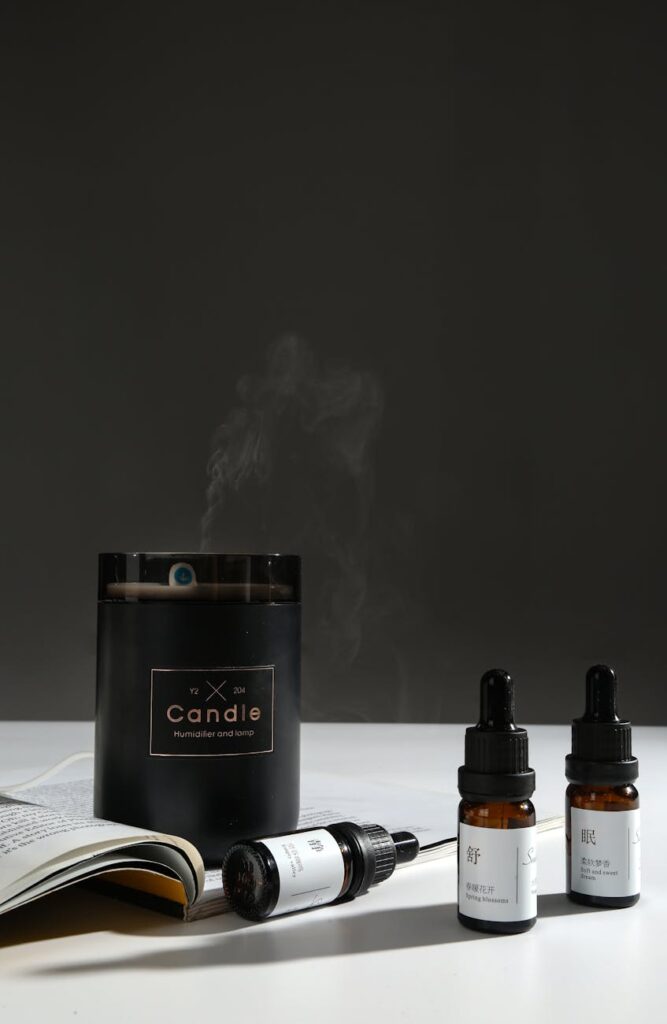
- Diffusion: Utilizing an essential oil diffuser disperses the aromatic compounds into the air, creating a calming atmosphere in the bedroom.
- Topical Application: Blending essential oils with carrier oils, such as jojoba or sweet almond oil, allows for topical application, which can provide localized benefits, such as muscle relaxation.
- Bathing: Adding a few drops of essential oils to a warm bath can create a soothing experience, enhancing relaxation before bedtime.
- Pillow Sprays: Crafting a pillow spray with diluted essential oils can offer an immediate olfactory experience, promoting tranquility as one prepares for sleep.
- Dilution: Essential oils are highly concentrated and should be diluted with a carrier oil before topical application to avoid skin irritation.
- Patch Test: It is advisable to perform a patch test to check for any allergic reactions when trying a new essential oil.
- Pregnancy and Nursing: Some essential oils may not be safe for use during pregnancy or while nursing. Consulting with a qualified professional is recommended.
- Medical Conditions: Individuals with certain medical conditions or those taking specific medications should consult a healthcare provider before using essential oils.
- Age Considerations: Caution should be exercised when using essential oils around children or pets, as some oils may not be suitable for their use.
- Dark Glass Containers: Essential oils should be stored in dark glass bottles to protect them from light, which can degrade their quality.
- Cool, Dry Place: Keeping oils in a cool, dry environment away from direct sunlight will help prolong their shelf life.
- Expiration Dates: Most essential oils have a shelf life of 1-2 years, although some may last longer if stored properly. It is advisable to check for changes in smell or consistency before use.
Aromatherapy Applications
The application of aromatherapy for sleep enhancement can be tailored to individual preferences and lifestyles. Here are some of the most common methods:
1. Diffusers and Vaporizers
Essential oil diffusers, whether ultrasonic, nebulizing, or heat-based, are popular for dispersing essential oils into the air. Selecting a blend specifically designed for sleep can create a tranquil environment. Many people choose to diffuse oils in the evening, creating a calming atmosphere as part of their bedtime routine.
2. Massage Oils
Creating a massage oil blend with sleep-enhancing essential oils can be beneficial. A gentle massage with oils like lavender or chamomile on the back, shoulders, or feet can alleviate tension and prepare the body for sleep.
3. Sleep Masks and Pillows
Infusing sleep masks or pillows with essential oils can create a personal oasis of relaxation. When the mask or pillow is placed on the face or head, the scent can help promote a sense of calm and readiness for sleep.
4. Inhalation
Simply inhaling the aroma of essential oils from the bottle or a cotton ball can be effective. This method allows for immediate access to the calming properties of the oils.
5. Bath Rituals
Incorporating essential oils into a warm bath can create a sensory experience that promotes relaxation. Epsom salts combined with essential oils can provide both physical and emotional benefits, making it an ideal pre-sleep ritual.
Safety Considerations
While aromatherapy can offer numerous benefits, it is essential to approach its use with caution. Here are some safety considerations:
Storage and Shelf Life
Proper storage of essential oils is crucial for maintaining their potency and efficacy. Here are some guidelines:
Frequently Asked Questions
1. Can I use essential oils if I have allergies?
While many individuals with allergies can benefit from essential oils, it is crucial to identify any specific sensitivities. Always perform a patch test and consult with a healthcare provider if uncertain.
2. Are there any essential oils to avoid for sleep enhancement?
Some stimulating oils, such as citrus oils (like orange or lemon), may not be suitable for sleep enhancement as they can be energizing. It is best to stick with calming oils like lavender or chamomile.
3. How long before bedtime should I use aromatherapy blends?
Using aromatherapy blends about 30 minutes to an hour before bedtime may be beneficial, allowing the calming scents to create a tranquil environment conducive to sleep.
4. Can I mix different essential oils?
Yes, many individuals enjoy blending various essential oils to create personalized sleep-enhancing blends. However, it is advisable to research the properties of each oil to ensure compatibility.
5. What is the best method for applying essential oils for sleep?
The best method depends on personal preference. Diffusers are popular for creating a relaxing atmosphere, while topical applications can offer localized benefits. Experimenting with different methods may help identify what works best for you.
Conclusion
The history and origins of aromatherapy blends for sleep enhancement reveal a rich tapestry of cultural practices and botanical knowledge. As society continues to explore natural remedies for improving sleep, the use of essential oils remains a popular and holistic approach. Understanding the benefits, applications, and safety considerations of these blends can empower individuals to make informed choices in their pursuit of restful sleep. Whether through diffusion, topical application, or bath rituals, aromatherapy offers a plethora of options to enhance sleep quality and promote overall well-being.