
History and Origins of Aromatherapy Blends for Sleep Induction
Introduction
Aromatherapy has emerged as a popular holistic practice, integrating the use of essential oils derived from plants and herbs to promote physical and emotional well-being. Among its various applications, the use of aromatherapy blends for sleep induction has garnered significant attention. This article delves into the history and origins of these blends, exploring their evolution, benefits, common uses, applications, safety considerations, and storage guidelines.
What Is Aromatherapy Blends for Sleep Induction?
Aromatherapy blends for sleep induction consist of carefully selected essential oils that are thought to promote relaxation, reduce anxiety, and enhance the quality of sleep. These blends typically include oils known for their soothing properties, such as lavender, chamomile, bergamot, and cedarwood. The use of these oils in combination can create a synergistic effect, amplifying their individual benefits and providing a more powerful influence on the body and mind.
The practice of using aromatic plant extracts for therapeutic purposes dates back thousands of years, with roots in various ancient cultures, including the Egyptians, Greeks, and Chinese. Today, aromatherapy is widely recognized as a complementary therapy, often used alongside other wellness practices to enhance sleep quality.
Key Benefits and Properties
The benefits of aromatherapy blends for sleep induction are multi-faceted. While empirical evidence is still emerging, many users report several key advantages:
1. Reduction of Stress and Anxiety
Essential oils such as lavender and bergamot are renowned for their calming effects. Studies suggest that inhaling these scents can reduce levels of cortisol, the stress hormone, thus promoting a sense of tranquility.
2. Improved Sleep Quality
Certain essential oils have sedative properties that can help individuals fall asleep faster and enjoy deeper sleep cycles. Oils rich in linalool, like lavender, are particularly noted for their sleep-inducing qualities.
3. Enhanced Mood
Aromatherapy can elevate mood and create a sense of well-being, which can be beneficial for those struggling with insomnia due to anxiety or depressive states.
4. Physical Relaxation
Many essential oils have muscle-relaxing properties, helping to ease tension and discomfort, which can be particularly helpful for individuals who find it difficult to unwind after a long day.
Common Uses
Aromatherapy blends for sleep induction can be utilized in various ways, catering to personal preferences and lifestyles. Some common applications include:
1. Diffusion
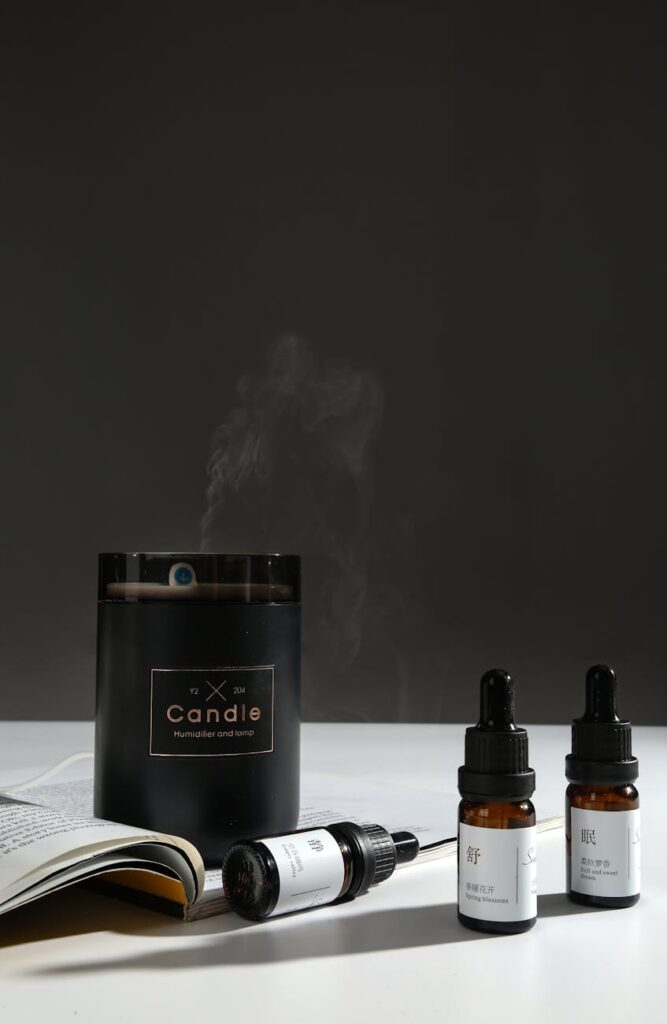
Using an essential oil diffuser is one of the most popular methods. By dispersing the oils into the air, users can create a calming atmosphere conducive to sleep.
2. Topical Application
Diluting essential oils in a carrier oil and applying them to pulse points, such as wrists or temples, can provide localized effects. A massage with these blends can also enhance relaxation.
3. Baths
Adding a few drops of sleep-inducing essential oil blends to bathwater can create a soothing experience, allowing the individual to unwind before bedtime.
4. Pillow Sprays
Creating a spray with essential oils and water can help freshen bedding while providing the calming scents necessary for sleep induction.
Aromatherapy Applications
The application of aromatherapy blends can vary based on individual needs and circumstances. Here are some key methods:
1. Inhalation
One of the simplest ways to experience the benefits of aromatherapy is through inhalation. This can be done by placing a few drops of essential oil on a tissue or cotton ball and inhaling deeply.
2. Massage
Integrating aromatherapy into a massage can enhance the experience. The combination of physical touch and soothing scents can lead to heightened relaxation.
3. Yoga and Meditation
Incorporating aromatherapy into yoga or meditation practices can deepen the experience, enhancing mindfulness and relaxation.
4. Sleep Rituals
Creating a bedtime routine that includes aromatherapy can signal to the body that it is time to wind down. This may include dimming lights, practicing deep breathing, and utilizing sleep-inducing blends.
Safety Considerations
While aromatherapy is generally regarded as safe, there are several important safety considerations to keep in mind:
1. Dilution
Essential oils are highly concentrated and should be diluted with a carrier oil before topical application to prevent skin irritation.
2. Quality of Oils
Using high-quality, pure essential oils is crucial. Synthetic fragrances may not have the same therapeutic properties and can sometimes lead to adverse reactions.
3. Allergies and Sensitivities
Individuals should be aware of any allergies or sensitivities to specific oils. A patch test is recommended before applying oils to larger areas of the skin.
4. Pregnancy and Medical Conditions
Pregnant individuals and those with specific medical conditions should consult with a qualified professional before using essential oils, as certain oils may not be suitable.
5. Children and Pets
Some essential oils may be harmful to children and pets. It is essential to research and choose oils that are safe for use around them.
Storage and Shelf Life
Proper storage of essential oils is vital to maintain their efficacy and shelf life. Here are some tips:
1. Keep Away from Light
Store essential oils in dark glass bottles to protect them from light, which can degrade their quality.
2. Cool Environment
Essential oils should be kept in a cool, dry place to prevent oxidation and degradation.
3. Tight Sealing
Ensure that bottles are tightly sealed to prevent evaporation and contamination.
4. Shelf Life
Most essential oils have a shelf life of 1 to 3 years, depending on the type. Citrus oils tend to have a shorter shelf life, while oils like patchouli and sandalwood can last longer.
Frequently Asked Questions
1. What essential oils are best for sleep?
Commonly recommended oils for sleep include lavender, chamomile, bergamot, cedarwood, and ylang-ylang.
2. How can I use essential oils in my bedtime routine?
Incorporate essential oils through diffusion, topical application, baths, or pillow sprays.
3. Are there any side effects of using essential oils?
While generally safe, some users may experience allergic reactions or skin irritation. Always dilute oils and perform a patch test.
4. Can I use essential oils while pregnant?
Consult with a healthcare professional before using essential oils during pregnancy, as some may not be safe.
5. How long do the effects of aromatherapy last?
The effects can vary from person to person, but many individuals experience immediate relaxation, while the overall mood enhancement may last longer.
Conclusion
The use of aromatherapy blends for sleep induction has deep historical roots and continues to evolve as a popular practice in modern wellness. By understanding the benefits, applications, and safety considerations, individuals can effectively incorporate these aromatic practices into their routine, potentially improving their sleep quality and overall well-being. As the interest in natural remedies grows, the exploration of aromatherapy will likely continue to unfold, offering new insights and applications for sleep and relaxation.