
History and Origins of Aromatherapy Blends for Sleep Quality Enhancement
Introduction
Aromatherapy, the practice of using essential oils for therapeutic benefits, has roots that can be traced back to ancient civilizations. One of the most sought-after applications of aromatherapy is in enhancing sleep quality. This article delves into the historical backdrop, composition, benefits, and applications of aromatherapy blends specifically designed to promote restful sleep.
What Is Aromatherapy Blends for Sleep Quality Enhancement?
Aromatherapy blends for sleep quality enhancement typically consist of a harmonious combination of essential oils known for their calming and sedative properties. These blends are crafted to create a soothing atmosphere that promotes relaxation, reduces stress, and aids in achieving better sleep. Common essential oils used in these blends include lavender, chamomile, bergamot, and sandalwood, each contributing unique characteristics to the overall effect.
Key Benefits and Properties
The primary benefits of aromatherapy blends for sleep quality enhancement include:
1. Relaxation: Many essential oils possess calming properties that help to alleviate tension and anxiety, making it easier for individuals to unwind before bedtime.
2. Sleep Induction: Certain oils can promote drowsiness and facilitate the transition into sleep, reducing the time it takes to fall asleep.
3. Improved Sleep Quality: By creating a tranquil environment, these blends can help enhance the overall quality of sleep, leading to more restorative rest.
4. Mood Stabilization: Aromatherapy can positively influence mood and emotional well-being, which is often vital for a good night’s sleep.
5. Holistic Support: Beyond just sleep, these blends can support overall wellness through their aromatic properties, contributing to a holistic approach to health.
Common Uses
Aromatherapy blends for sleep enhancement can be utilized in various ways, including:
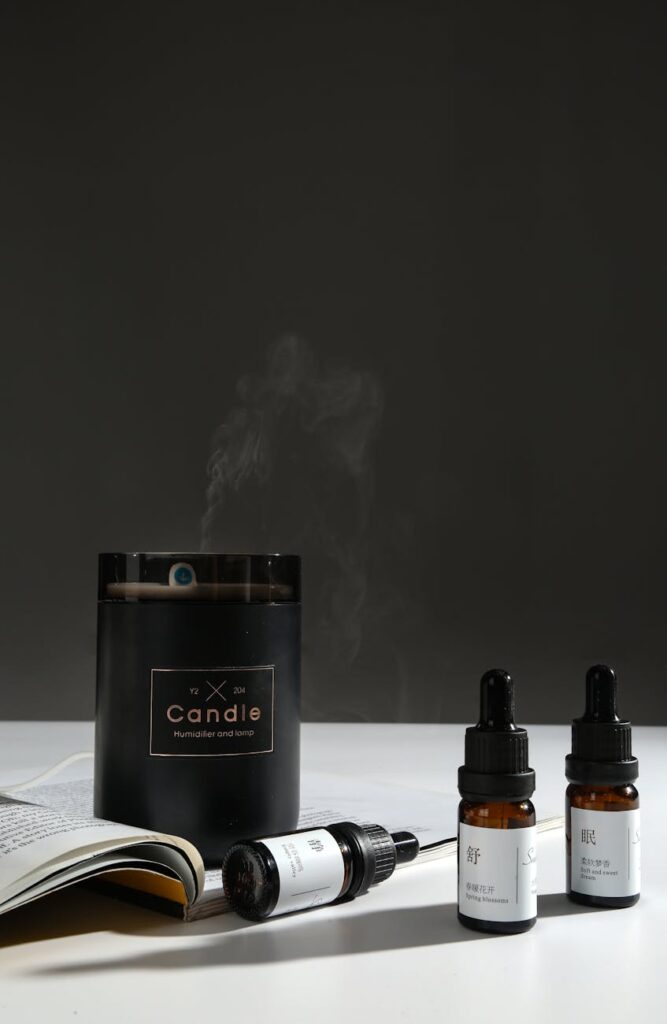
- Diffusion: Using an essential oil diffuser to disperse the aroma throughout the room can create a calming environment conducive to sleep.
- Topical Application: Diluted blends can be applied to pulse points, such as wrists and temples, or incorporated into massage oils for a soothing bedtime ritual.
- Bathing: Adding a few drops of a sleep-enhancing blend to a warm bath can create a serene atmosphere, promoting relaxation before sleep.
- Pillow Sprays: Creating or purchasing a pillow spray containing sleep-promoting essential oils can help infuse bedding with calming scents.
- Container: Store essential oils in dark glass bottles to protect them from light, which can degrade their quality.
- Temperature: Keep oils in a cool, dry place away from direct sunlight and heat sources.
- Expiration: While essential oils can last for several years, their potency may diminish over time. Generally, citrus oils have a shorter shelf life (about 1-2 years), while oils like sandalwood and patchouli may last longer (up to 5 years or more).
Aromatherapy Applications
Aromatherapy applications for sleep quality enhancement can be diverse. Here are some common methods:
Diffusers
Essential oil diffusers release micro-particles of essential oils into the air, allowing for easy inhalation. This method is particularly effective for creating a calming environment in the bedroom.
Massage
Incorporating aromatherapy blends into massage oils can enhance the soothing effects of massage, promoting relaxation and encouraging sleep. Ensure that essential oils are properly diluted in a carrier oil for safety.
Inhalation
Simply inhaling essential oils directly from the bottle or using a cotton ball soaked in a sleep-enhancing blend can provide immediate calming effects.
Bathing Rituals
Adding essential oils to a warm bath can create a tranquil sensory experience. The warm water combined with the aromatic properties of the oils can help prepare the body for sleep.
Sleep Pillows
Crafting or purchasing sleep pillows filled with herbs and essential oils, such as lavender, can provide a gentle aroma that encourages restful sleep.
Safety Considerations
While aromatherapy is generally considered safe, it is crucial to observe certain precautions:
1. Dilution: Always dilute essential oils before topical application to prevent skin irritation. A common dilution ratio is 2-3 drops of essential oil per teaspoon of carrier oil.
2. Sensitivity Testing: Individuals with sensitive skin or allergies should perform a patch test before using a new essential oil.
3. Pregnancy and Nursing: Pregnant or nursing individuals should consult with a healthcare professional before using essential oils, as some may not be safe during these periods.
4. Medical Conditions: Those with pre-existing medical conditions should seek guidance from a healthcare provider, particularly individuals with respiratory issues or hormone-sensitive conditions.
5. Children and Pets: Certain essential oils can be harmful to children and pets. Always research the safety of specific oils before use in households with young children or animals.
Storage and Shelf Life
Proper storage is essential for maintaining the quality and effectiveness of essential oils. Here are some guidelines:
Frequently Asked Questions
What essential oils are best for sleep?
Lavender, chamomile, vetiver, bergamot, and cedarwood are among the most popular essential oils known for their sleep-enhancing properties. Each oil offers unique benefits, making them ideal for various preferences and needs.
Can aromatherapy replace sleep medication?
Aromatherapy can be a complementary approach for enhancing sleep quality but should not be considered a replacement for prescribed sleep medications. Individuals experiencing chronic sleep issues should consult with a healthcare professional.
How do I create my own sleep blend?
To create your own sleep blend, start with a base of calming oils like lavender and chamomile. You can add other oils based on personal preference. A simple recipe might include 5 drops of lavender, 3 drops of chamomile, and 2 drops of bergamot in 10ml of carrier oil for topical use.
How long does it take for aromatherapy to work?
The effects of aromatherapy can vary from person to person. Many individuals report feeling an immediate sense of calm upon inhalation, while others may require consistent use over time to experience significant benefits.
Are there any contraindications for using essential oils?
Yes, certain essential oils may interact with medications or be unsuitable for individuals with specific health conditions. It is advisable to conduct thorough research or consult with a healthcare provider before use.
Conclusion
The historical roots and contemporary applications of aromatherapy blends for sleep quality enhancement demonstrate the enduring appeal of this natural practice. By understanding the properties and uses of essential oils, individuals can harness their potential to create a tranquil environment that promotes restful sleep. As with any holistic approach, it is essential to prioritize safety and individual needs, ensuring a positive and enriching journey into the world of aromatherapy.