
History and Origins of Aromatherapy Blends for Sleep Quality Improvement
Introduction
Aromatherapy, the therapeutic use of essential oils extracted from plants, has been utilized for thousands of years across various cultures for its healing properties. Among its many applications, aromatherapy blends for sleep quality improvement have gained significant attention in modern wellness practices. This article explores the historical roots of these blends, their benefits, and how they can be effectively used to enhance sleep.
What Is Aromatherapy Blends for Sleep Quality Improvement?
Aromatherapy blends for sleep quality improvement consist of carefully curated combinations of essential oils that aim to promote relaxation, alleviate anxiety, and facilitate a restful night’s sleep. These blends often include oils known for their calming properties, such as lavender, chamomile, and bergamot. The aromatic compounds in these oils interact with the limbic system in the brain, influencing emotions and physiological responses, which can contribute to improved sleep quality.
Key Benefits and Properties
The benefits of aromatherapy blends for improving sleep quality are multifaceted:
1. Promotes Relaxation: Many essential oils have sedative effects that help calm the mind and body, making it easier to transition into sleep.
2. Reduces Anxiety: Certain oils can help alleviate feelings of stress and anxiety, which are common barriers to restful sleep.
3. Enhances Sleep Quality: Regular use of sleep-focused aromatherapy blends may lead to deeper sleep cycles and fewer awakenings during the night.
4. Improves Mood: Aromatherapy can elevate mood and create a sense of well-being, further contributing to a restful environment conducive to sleep.
5. Supports Healthy Sleep Patterns: Establishing a routine that incorporates these blends can help regulate sleep-wake cycles over time.
Common Uses
Aromatherapy blends for sleep quality improvement can be used in various ways:
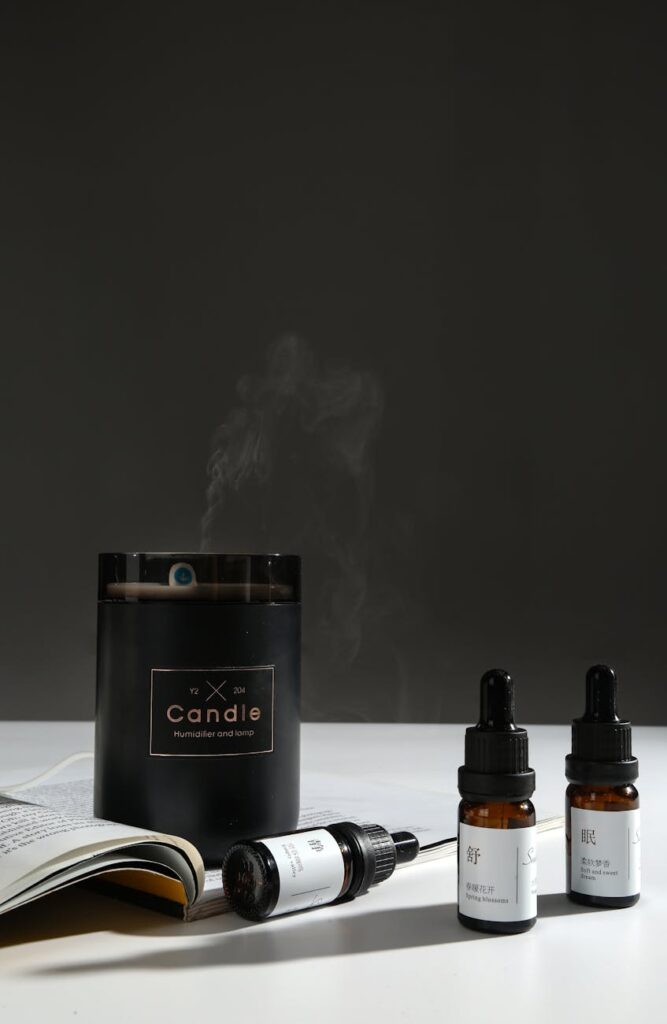
- Diffusion: Essential oil diffusers disperse aroma into the air, creating a calming environment.
- Topical Application: Blending essential oils with carrier oils allows for application on pulse points or the soles of the feet to promote relaxation.
- Bath Soaks: Adding essential oils to bathwater can create a soothing pre-sleep ritual.
- Pillow Sprays: A light mist on pillows can help create a calming sleep atmosphere.
- Inhalation: Direct inhalation from a bottle or a cotton pad can provide immediate relief from stress and anxiety.
- Lavender: Known for its calming and sedative properties, lavender is one of the most popular choices for sleep blends. Its floral scent has been shown to reduce anxiety and improve sleep quality.
- Bergamot: This citrus oil has a unique ability to lift mood while promoting relaxation. It is often used in blends aimed at reducing stress and anxiety.
- Chamomile: Often used in tea, chamomile essential oil can also help reduce insomnia and promote relaxation due to its soothing properties.
- Cedarwood: This oil is known for its warm, woodsy aroma and can help reduce stress while promoting deeper sleep.
- Frankincense: Valued for its grounding properties, frankincense can help ease anxiety and promote a sense of peace.
- Quality of Oils: Always choose high-quality, pure essential oils from reputable sources to ensure safety and effectiveness.
- Skin Sensitivity: Some individuals may experience skin irritation or allergic reactions to certain essential oils. Patch testing is recommended.
- Pregnancy and Children: Certain essential oils may not be suitable for pregnant women or young children. It is advisable to consult with a qualified practitioner in such cases.
- Medical Conditions: Those with specific medical conditions or who are taking medications should consult healthcare professionals before using essential oils.
- Cool, Dark Place: Store essential oils in a cool, dark place to prevent degradation. Exposure to light and heat can diminish their potency.
- Sealed Containers: Keep oils in tightly sealed containers to avoid oxidation and evaporation.
- Shelf Life: While essential oils generally have a long shelf life, they can vary by type. Citrus oils may last about 1-2 years, while oils like sandalwood and patchouli can last up to 5 years or more.
Aromatherapy Applications
Essential Oil Selection
When creating or using aromatherapy blends for sleep, selecting the right essential oils is crucial. Some of the most commonly used oils include:
Creating Blends
To create an effective aromatherapy blend for sleep, consider the following:
1. Base Ratio: A typical blend may consist of 30% top notes (like bergamot), 50% middle notes (like lavender), and 20% base notes (like cedarwood). This ratio can be adjusted depending on individual preferences.
2. Dilution: Essential oils should be diluted with a carrier oil (such as jojoba, sweet almond, or coconut oil) for topical use, typically at a ratio of 1-2 drops of essential oil per teaspoon of carrier oil.
3. Testing: Before widespread use, test your blend on a small skin area to check for any adverse reactions.
Safety Considerations
While generally regarded as safe, it is essential to consider the following safety guidelines when using aromatherapy blends:
Storage and Shelf Life
Proper storage of essential oils is crucial for maintaining their efficacy and safety. Here are some guidelines:
Frequently Asked Questions
1. How long does it take for aromatherapy blends to work?
The effects of aromatherapy can vary from person to person. Some individuals may feel immediate relaxation, while others might require consistent use over a period of weeks to notice significant improvements in sleep quality.
2. Can I use multiple essential oils in one blend?
Yes, many people find that combining different essential oils can create a more effective and pleasant aroma. Experimenting with various ratios and combinations can lead to personalized blends that work best for you.
3. Are there any side effects of using essential oils?
While essential oils are generally safe, potential side effects can include skin irritation or allergic reactions. It is essential to use oils as directed and to perform patch tests before topical application.
4. Can aromatherapy replace sleep medications?
Aromatherapy can be a complementary practice for improving sleep quality, but it should not be considered a replacement for prescribed sleep medications without consulting a healthcare professional.
5. How can I incorporate aromatherapy into my bedtime routine?
To incorporate aromatherapy into your bedtime routine, consider diffusing a calming blend in your bedroom, applying diluted oils to pulse points, or taking a relaxing bath with essential oils before sleep. Establishing a routine can signal to your body that it’s time to wind down.
Conclusion
The rich history of aromatherapy has paved the way for the development of blends specifically designed to improve sleep quality. By understanding the properties and benefits of various essential oils, individuals can create personalized blends that contribute to a more restful night’s sleep. With careful consideration of safety and application, aromatherapy can be a valuable addition to holistic wellness practices aimed at enhancing sleep quality.